
Europe has no single perfect travel month, which is convenient as it means there are 12 months to choose from. If you want the best time to visit Europe for sightseeing, start with May or September.
| Sponsored post |
May brings mild days, blooming gardens and comfortable city sightseeing, while September keeps the Mediterranean warm and eases some summer crowds. Dreaming of Greek islands or Croatian beaches? Aim for June to September.
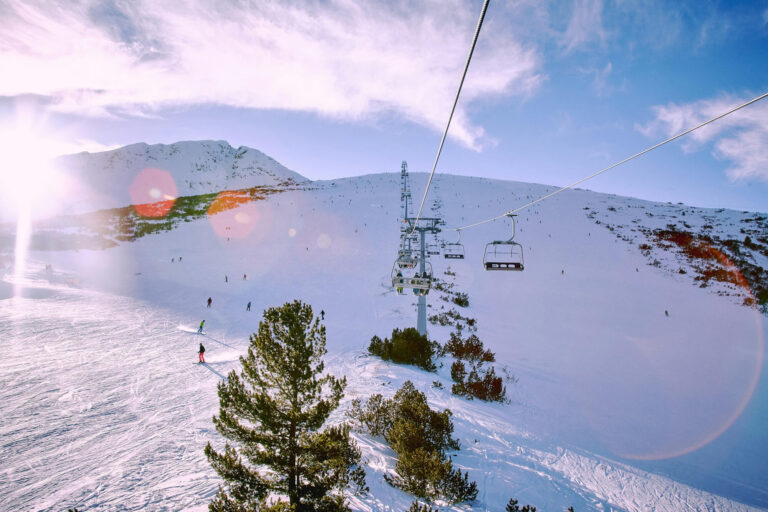
Planning an Alpine ski trip? Choose January to March, when resorts across Switzerland, Austria and France are in their main winter season. Love big events? Put July aside for Tomorrowland in Belgium, August for the Edinburgh Festival Fringe, or September for Oktoberfest in Munich.
December deserves a special mention if Christmas markets are your thing. Vienna, Prague and Strasbourg become wonderfully festive.

So, when really should you pack your bags for the ultimate Europe group tour? Take a month-by-month tour to discover the weather, destinations, events and experiences to find the best time to visit Europe from India.
January – Ski slopes, snowy streets and northern lights
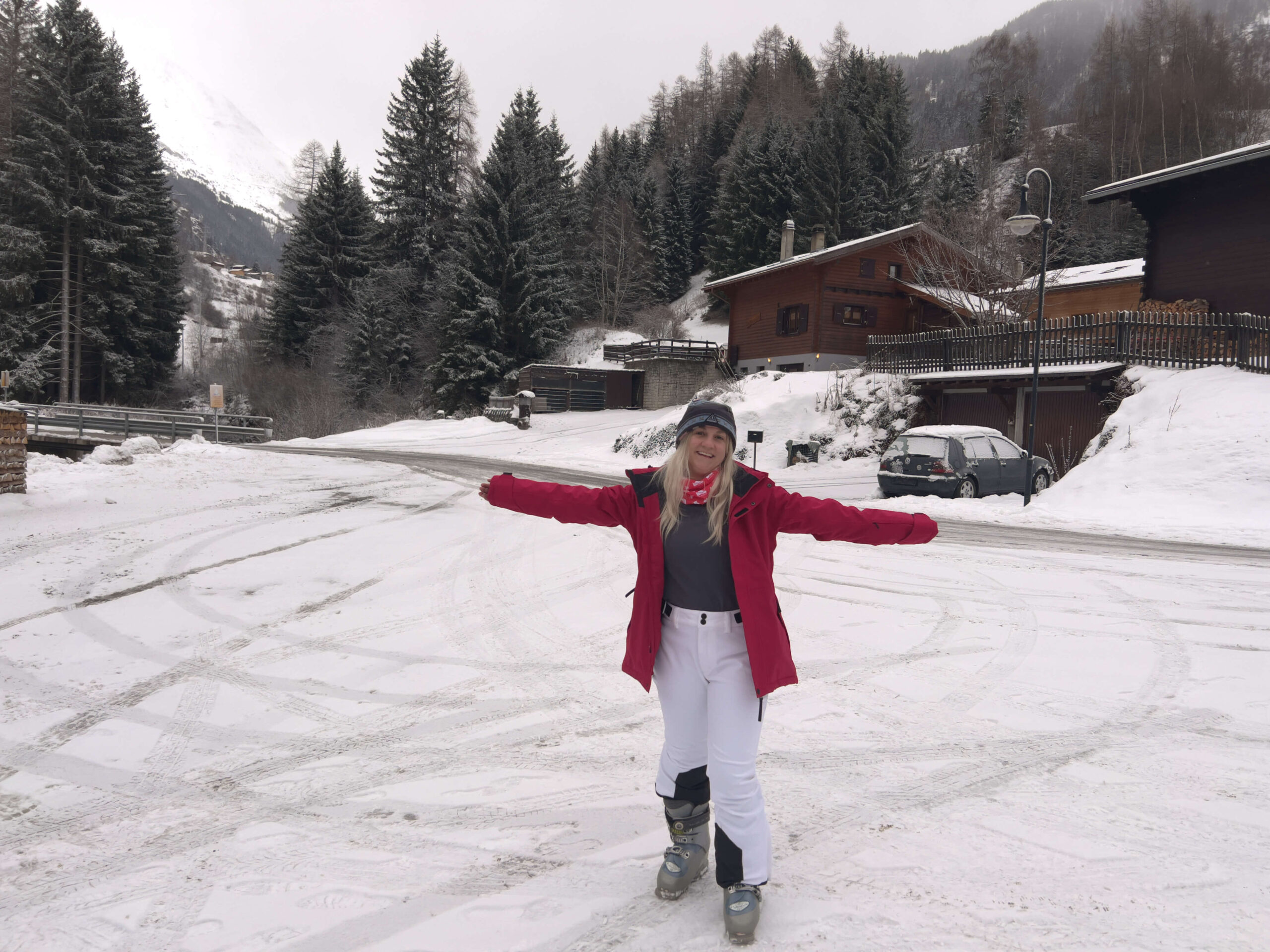
If snow is your idea of good weather, January has plenty to offer. Ski the slopes around Innsbruck or St. Anton in Austria, or head to Zermatt in Switzerland for skiing beneath the Matterhorn.
In Finnish Lapland, you can join a reindeer-sled ride, husky safari or northern-lights tour around Rovaniemi. After a day outside, warm up with hot chocolate in a Viennese café or glögg in Scandinavia.
Winters in Europe are cold, certainly, but that is rather the point.
Temperature: -5°C to 8°C (23°F to 46°F )
Where to go: Austria, Switzerland, Finland, Norway
Budget: Medium-high, expect ski resorts to be more expensive
Best for: Skiing, northern lights, and winter scenery
February – Venice Carnival and romantic Europe
February gives you the best time to visit Europe from India to witness it at its most theatrical. In Venice, Carnival brings masked revellers, elaborate costumes and events around St. Mark’s Square and the historic centre.
If romance is your priority, stroll along the River Seine in Paris, then escape the cold inside a Left Bank café. For snow, ski around Innsbruck or St. Anton in Austria, or head to Finnish Lapland for husky rides and northern-lights tours around Rovaniemi.
Temperature: 2°C to 10°C (36°F to 50°F)
Where to go: Venice, Paris, Vienna, Prague
Budget: Moderate
Best for: Couples, culture, and winter festivals
March – Las Fallas and the first taste of spring
March brings the first real signs of spring to southern Europe, along with some seriously colourful celebrations. In Valencia, Las Fallas fills the streets with towering satirical sculptures, marching bands, firecrackers and spectacular fireworks before the sculptures are burned in the festival finale.
Seville and Lisbon are pleasant for walking tours and outdoor dining, while Rome is warming up nicely for sightseeing.
Temperature: 8°C to 17°C (46°F to 63°F)
Where to go: Valencia, Seville, Lisbon, Rome
Budget: Low–moderate
Best for: Festivals, sightseeing and budget-conscious travellers

April – Tulips, cycling and springtime Europe
April is when Europe starts looking suspiciously like a travel brochure. Visit the Netherlands for spring flowers, explore Amsterdam by bicycle or wander through Parisian parks as they burst into colour.
Italy is equally tempting, with Rome and Florence offering comfortable sightseeing conditions before the summer heat arrives. If you’re photographing Europe, this month gives you plenty of colourful material.
Temperature: 10°C to 19°C (50°F to 66°F)
Where to go: Amsterdam, Keukenhof, Paris, Florence
Budget: Moderate
Best for: Flowers, photography, and city breaks
May – The sweet spot for your European holiday
If there is one month worth circling on your calendar, May makes a strong case. Explore Rome’s Colosseum before the summer heat sets in, hike around Chamonix in the French Alps, wander the whitewashed lanes of Oia in Santorini, or follow Portugal’s Atlantic coast from Lisbon to Lagos.

May is especially appealing for honeymooners because you can combine romantic cities, coastal scenery and outdoor dining without July’s intense heat and crowds. Add a sunset dinner overlooking the Amalfi Coast, and suddenly choosing your wedding date seems like the easy part.
Temperature: 15°C to 24°C (59°F to 75°F)
Where to go: Italy, Greece, France, Spain, Portugal
Budget: Moderate
Best for: First-time visitors, couples, and outdoor adventures
June – Long days, hiking and Mediterranean beaches
June is for travellers who would rather be outdoors enjoying Summer in Europe than watching it through a hotel window. Cruise the Geirangerfjord in Norway, hike around Interlaken and Lauterbrunnen in Switzerland, or explore Hvar and the Dalmatian Coast in Croatia.
In Greece, head to Naxos or Crete for swimming, island-hopping, and waterfront dinners. Book popular ferries, trains and hotels early, especially if your itinerary for Europe tour packages involves islands, because nobody wants their dream Greek holiday to end at the ferry terminal.

Temperature: 18°C to 27°C (64°F to 81°F)
Where to go: Norway, Switzerland, Croatia, Greece
Budget: Moderate–high
Best for: Hiking, families, beaches and road trips
July – Tomorrowland, island hopping and peak summer
If electronic music, huge stages and thousands of festival-goers sound like your idea of a great weekend, Tomorrowland Belgium is worth planning around.
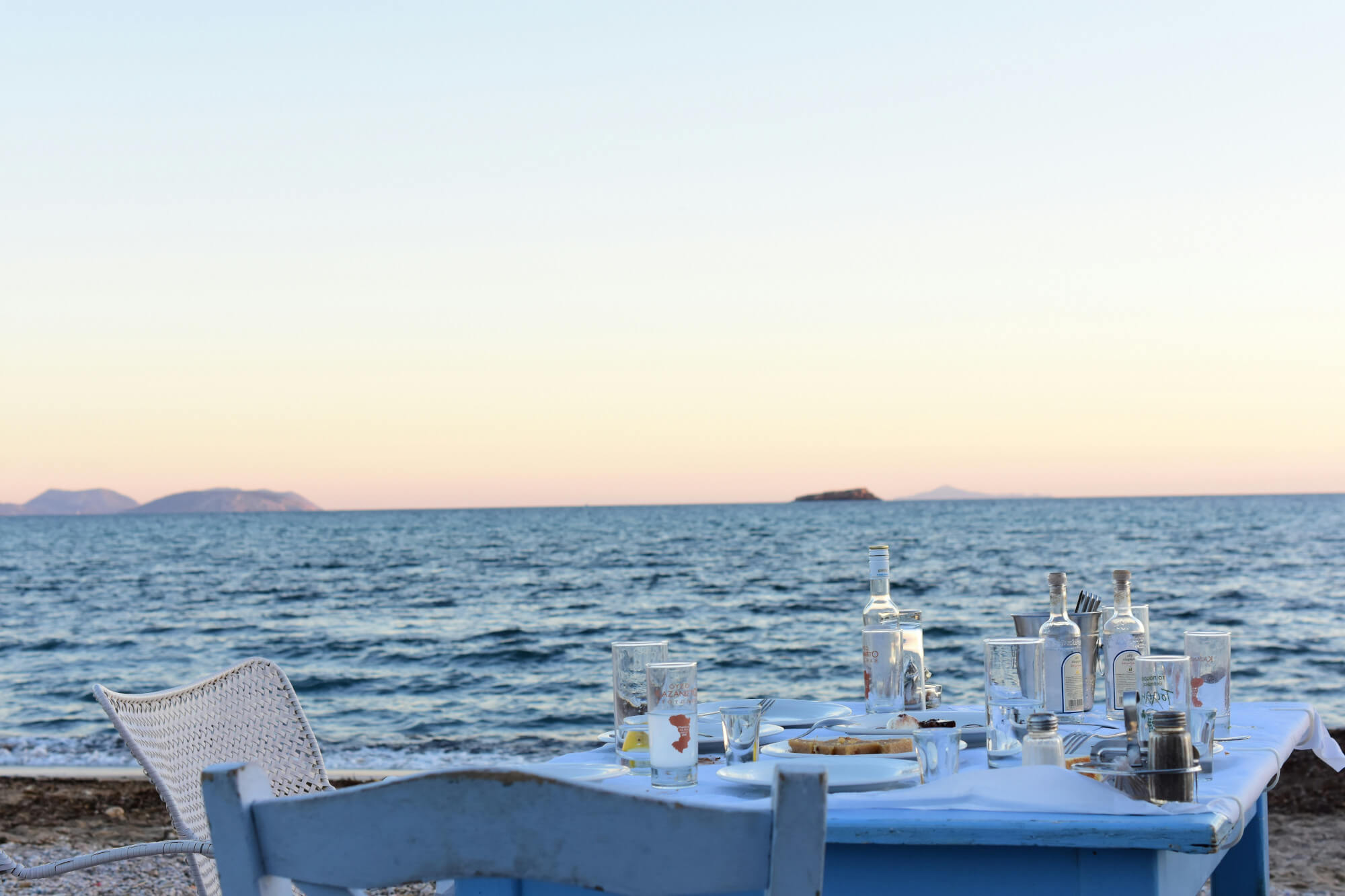
Prefer saltwater to speakers? Swim off Mykonos or Naxos, island-hop around Croatia’s Hvar and Brač, or spend late evenings dining on tapas and watching the sunset along Spain’s Costa del Sol.
July is peak season, so expect higher prices and busy transport in popular destinations.
Temperature: 20°C to 30°C (68°F to 86°F)
Where to go: Belgium, Greece, Croatia, Spain
Budget: High
Best for: Festival lovers, beach travellers and families
August – Edinburgh Fringe and Mediterranean escapes
August is when Europe fully commits to sunshine, swimming and very late dinners. Head to Crete or Corfu for sandy beaches and warm Aegean waters, sail between Hvar and Brač in Croatia, or explore Spain’s Costa Brava between seaside towns.
If you want culture without giving up the sunshine, Lisbon and Porto are excellent choices. Summer in Europe is when it’s at its busiest, so expect crowded beaches, busy ferries and higher hotel prices.
Temperature: 20°C to 32°C (68°F to 90°F)
Where to go: Edinburgh, Greece, Croatia, Spain
Budget: High
Best for: Festivals, beach holidays and families

September – Oktoberfest, wine country and golden weather
September may be Europe’s most useful month because summer warmth often lingers while peak-season crowds begin to thin. In Munich, Oktoberfest fills Theresienwiese with enormous beer tents, Bavarian dishes, live brass music, fairground rides, and traditional costumes.
In Greece, swim off Naxos or Crete, while Italy invites you to explore Tuscany’s vineyards, Rome’s ancient landmarks, or the Amalfi Coast without July’s intensity.
Temperature: 16°C to 27°C (61°F to 81°F)
Where to go: Munich, Italy, Greece, Portugal
Budget: Moderate–high around major events
Best for: Foodies, couples, and festival travellers
October – Autumn colours, wine and comfort food
October is ideal if you want Tuscan vineyards, Bavaria’s colourful forests and leisurely lunches with a glass of local wine. Autumn in Europe is especially beautiful around Chianti in Italy, Bordeaux in France and the Moselle Valley in Germany, where vineyards take on rich seasonal colours.

In Austria, explore the forests around Salzburg before settling into a cosy traditional restaurant. Cooler temperatures also make walking through Rome, Paris, and Vienna far more comfortable than during the summer rush.
Temperature: 10°C to 20°C (50°F to 68°F)
Where to go: Italy, France, Germany, Austria
Budget: Moderate
Best for: Foodies, photographers, and couples
November – Quiet cities and the start of Christmas season
November is quieter because the summer crowds are gone and the main Christmas season has not yet taken over. In Prague, explore Prague Castle, Charles Bridge and the Old Town Square, then warm up with coffee in a traditional café.
In Vienna, visit Schönbrunn Palace, the Belvedere and the Kunsthistorisches Museum. Towards the end of the month, Christmas markets begin opening at places such as Vienna’s Rathausplatz and Schönbrunn Palace, while Strasbourg starts preparing its famous festive market.

Autumn in Europe is fading, making November a good month for slower, less crowded city breaks.
Temperature: 5°C to 14°C (41°F to 57°F)
Where to go: Prague, Vienna, Munich, Lisbon
Budget: Low–moderate
Best for: Budget travellers and culture lovers
December – Christmas markets and alpine magic
December is when you see Winter in Europe, turning its historic squares into glowing winter scenes. In Vienna, browse the Christmas market at Rathausplatz for handicrafts, seasonal treats and hot punch, while Prague’s Old Town Square pairs market stalls with its illuminated medieval buildings.
In Strasbourg, explore the city’s Christmas markets around Place Broglie and Place Kléber. For skiing, head to Zermatt in Switzerland or Innsbruck in Austria.
Temperature: 0°C to 10°C (32°F to 50°F)
Where to go: Vienna, Prague, Munich, Strasbourg, Swiss Alps
Budget: Moderate–high
Best for: Families, couples, Christmas lovers, and skiers
There is no one best time to visit Europe, and that’s precisely its charm. You can choose spring for flowers, summer for beaches and festivals, autumn for food and colours, or winter for snow and Christmas markets.
Pick the month that matches your travel style, pack accordingly, and let Europe surprise you.