
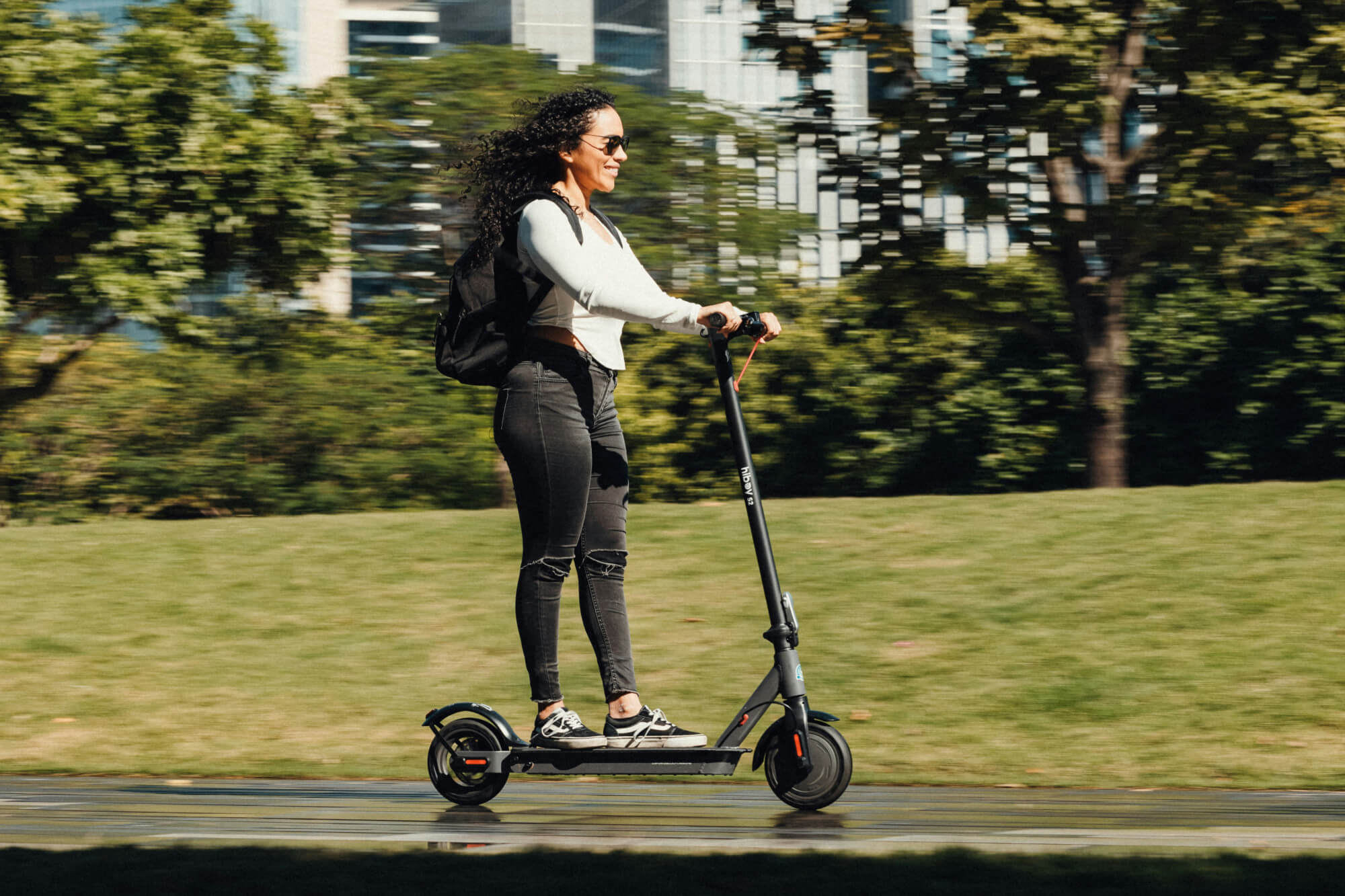
Exploring a new city often means covering more ground than you expect. One attraction sits across town, a scenic waterfront stretches for miles, and public transport does not always reach every interesting stop.
| Sponsored post |
An electric scooter can offer another way to explore, provided your destination allows its use. Before comparing iScooter offers, consider how you plan to travel, where you will ride, and whether the scooter suits your itinerary.
The right choice depends on more than speed or battery range. Weight, charging requirements, tyre design, braking, and local regulations can all affect your experience. This guide explains which features matter most when choosing an electric scooter for sightseeing, urban exploration, and everyday travel.
Why consider an electric scooter for exploring a destination?
Electric scooters can make certain short journeys more convenient. They may help travellers move between nearby attractions, reach accommodation from local transport stops, or explore designated cycling routes.

However, a scooter does not suit every trip. Historic districts may have cobbled streets, steep hills, pedestrian restrictions, or narrow walkways.
Some destinations prohibit private scooters in specific areas.
Start by researching your destination before purchasing or packing a scooter. Check local traffic laws, permitted riding areas, parking rules, and any restrictions on public transport.
Also consider your travel style. A scooter may suit a city break with several nearby attractions.

It may be less practical for a trip involving frequent flights, remote hiking destinations, or accommodation without secure storage.
How should you compare motor power and speed?
Motor power influences acceleration and performance on inclines. However, a higher wattage figure does not automatically make a scooter better for travel.
A lower-powered model may work well for flat city streets and short sightseeing trips. A more powerful option may suit routes with hills, depending on rider weight, battery condition, and the scooter’s design.
When comparing specifications, check whether the manufacturer lists nominal power or peak power. These figures describe different aspects of motor performance and should not be treated as equivalent.

Maximum speed also deserves careful consideration. A scooter’s advertised speed may exceed the limit permitted on public roads at your destination.
For travellers, predictable handling and safe braking matter more than reaching the highest possible speed. Choose a model that suits your planned routes and follow local speed restrictions.
What battery range do you need for a travel day?
Battery range can determine whether a scooter supports your sightseeing plans or leaves you searching for a charging point.
Start by estimating your daily distance. Include journeys between attractions, detours, and the distance back to your accommodation.

Manufacturers often advertise maximum range under specific testing conditions. Real-world performance can differ because of rider weight, hills, temperature, riding speed, and frequent acceleration.
Battery capacity offers another useful comparison. Manufacturers may list capacity in amp-hours (Ah) or watt-hours (Wh). You can calculate watt-hours by multiplying battery voltage by amp-hours.
For example, a 36V battery rated at 10Ah stores approximately 360Wh. A 48V battery rated at 10Ah stores approximately 480Wh.
This calculation helps compare stored energy, but it does not guarantee a particular travel distance.

Before buying, check the advertised range, battery capacity, and charging time together. Leave a reasonable reserve for unexpected journeys rather than planning every trip around the maximum stated range.
If your itinerary includes full days away from your accommodation, consider where and when you could recharge safely.
Which tyres and suspension work best for different destinations?
Road conditions can change considerably between destinations. Smooth city paths feel different from cobbled streets, uneven pavements, or poorly maintained roads.
Your scooter’s tyres and suspension can influence comfort, grip, and maintenance.
| Feature | Potential benefit | What travellers should consider |
| Pneumatic tyres | Air cushioning may improve comfort | They require pressure checks and can puncture |
| Solid tyres | No air pressure maintenance | They may feel firmer on uneven roads |
| Honeycomb tyres | Puncture-resistant construction | Comfort varies by design |
| Front suspension | Helps absorb some front-wheel impacts | It cannot eliminate every bump |
| Dual suspension | May improve comfort on rougher routes | It can add weight and mechanical complexity |
Pneumatic tyres may suit longer rides where comfort matters. Solid tires may appeal to travellers who want less puncture-related maintenance.

Neither option works best everywhere. Consider the surfaces you expect to encounter and the amount of maintenance you are willing to handle.
Larger tyres can help with certain surface irregularities, but tyre size alone does not determine stability or comfort.
How important are brakes and safety features when travelling?
Travellers often encounter unfamiliar intersections, changing traffic patterns, and crowded pedestrian areas. Reliable braking and good visibility should therefore remain priorities.
Depending on the model, an electric scooter may use disc brakes, drum brakes, electronic braking, or a combination of systems. Compare the manufacturer’s specifications rather than assuming every braking system performs equally.

Check for working front and rear lights, brake lights, reflectors, and clear operating instructions. Review the scooter’s load capacity, too, especially if you plan to carry a backpack.
Water-resistance ratings also matter when travelling in changeable weather. However, water resistance does not make a scooter waterproof. Avoid riding through deep water or exposing electrical components to conditions outside the manufacturer’s recommendations.
Always wear a properly fitted helmet where available and appropriate. Follow local safety requirements, and dismount when an area prohibits riding.
Is a lightweight scooter better for travellers?
Weight becomes especially important when your itinerary includes trains, buses, stairs, or frequent accommodation changes.

A lightweight folding scooter may be easier to store in a hotel room or carry over short distances. However, a heavier model may offer a larger battery or additional comfort features.
Compare the scooter’s net weight with its folded dimensions. Check whether the folding mechanism is straightforward and locks securely.
Think about your luggage, too. Carrying a scooter alongside a suitcase can become inconvenient, even when the scooter folds neatly.
Air travel requires particular attention. Electric scooter batteries may be subject to strict airline and airport restrictions. Never assume an airline will accept your scooter as checked or cabin baggage.

Contact the airline before booking and verify its current battery rules.
For trips involving several flights, renting a locally approved scooter may prove more practical than transporting your own.
Which smart features make travel easier?
Some scooters offer digital displays, smartphone connectivity, electronic locking, cruise control, or different riding modes.
A display can help you monitor speed and battery level while exploring. App connectivity may provide access to settings or ride information, depending on the model.

These features can be convenient, but travellers should check their actual usefulness before paying extra.
For example, a scooter with reliable battery information may help when planning a longer sightseeing route. Advanced connectivity may offer less value if you mainly travel short distances.
Check whether the required app works with your phone and whether the advertised functions are available in your region.
Also consider charging accessories. Confirm which charger the scooter requires and whether it is compatible with your destination’s electrical supply.

Use only manufacturer-approved charging equipment.
How can you find the best value across iScooter offers?
The cheapest scooter is not necessarily the best travel companion. A suitable model should match your itinerary, storage arrangements, riding conditions, and budget.
Before comparing offers, create a simple checklist.
| Comparison factor | What to check |
| Price | Product cost, delivery charges, and included accessories |
| Motor | Rated power and peak power, where available |
| Battery | Voltage, capacity, and charging time |
| Range | Advertised distance compared with your daily plans |
| Comfort | Tyre type, tyre size, and suspension |
| Safety | Brakes, lights, reflectors, and load capacity |
| Portability | Weight, folded dimensions, and locking mechanism |
| Ownership | Warranty, spare parts, and customer support |
Read the warranty terms for the exact model and seller. Coverage may differ between regions and components.

Check replacement-part availability before travelling with your scooter. A minor tyre or brake problem can disrupt an itinerary if suitable parts are difficult to obtain.
Compare the total purchase cost rather than focusing exclusively on a discount. Include essential safety equipment, maintenance, and any accessories you need.
Should you buy a scooter or rent one at your destination?
Buying makes sense for travellers who expect to use a scooter regularly at home and on suitable local trips. It can also provide a familiar riding experience.
Renting may work better for occasional holidays. It avoids transporting a scooter between destinations and can provide a model suited to local regulations.
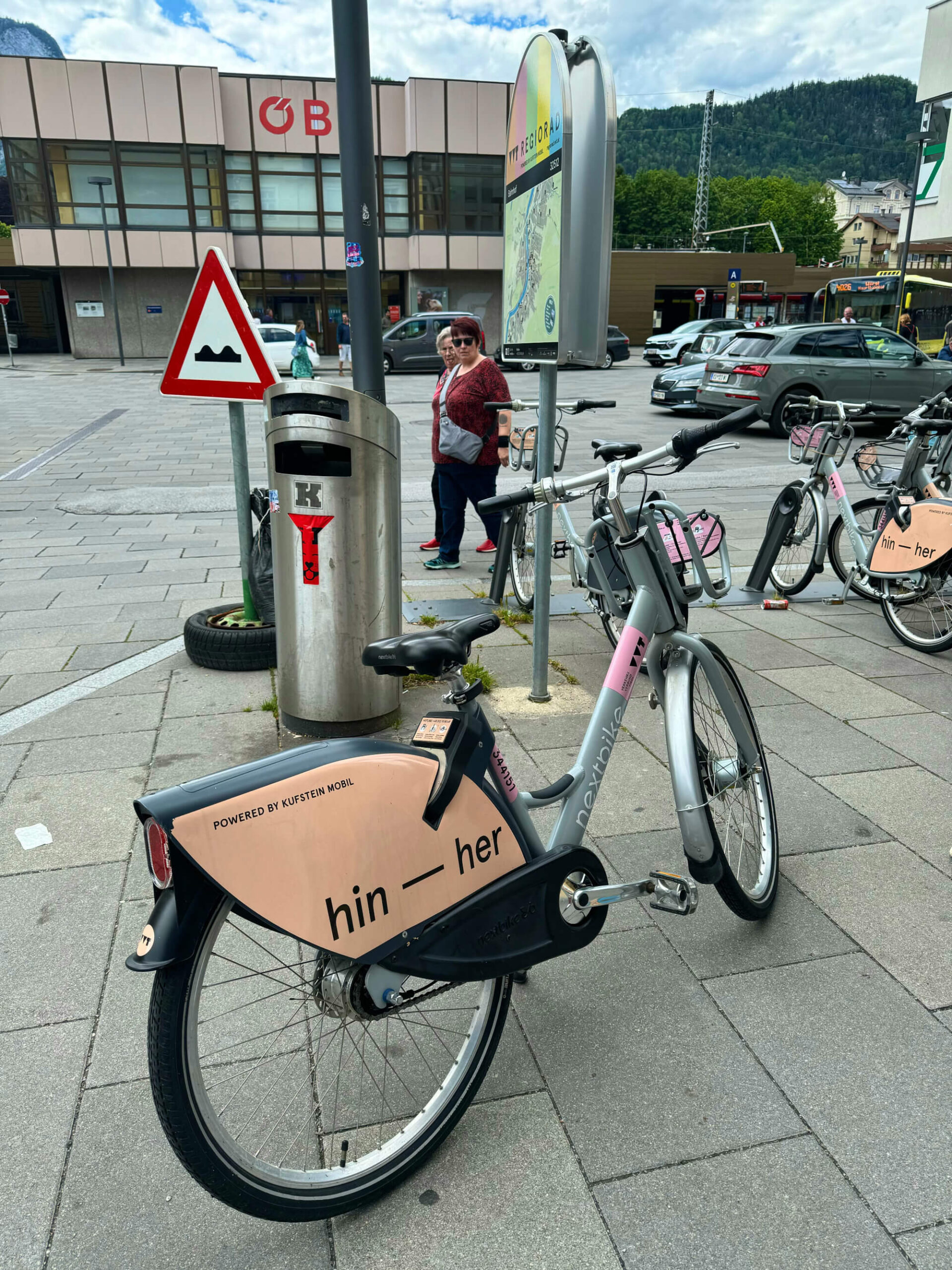
Before renting, inspect the tyres, brakes, lights, and folding mechanism. Confirm the rental terms, insurance arrangements, permitted riding areas, and procedures for reporting damage.
If neither option fits your trip, public transport, walking, and conventional bike rentals may offer simpler alternatives.
Frequently Asked Questions
Are electric scooters useful for sightseeing?
They can be useful for short journeys between attractions where local rules permit riding. Check the terrain, traffic conditions, parking options, and restrictions before planning your route.
What range should a travel scooter have?
Start with your expected daily distance and allow extra capacity for detours, hills, and changing weather. Treat advertised range as a guide rather than a guaranteed result.

Can I take an electric scooter on a plane?
Airline rules vary, particularly because of lithium battery restrictions. Contact your airline before travelling and obtain confirmation that your specific scooter is permitted.
Are folding scooters easier to travel with?
Folding designs can simplify storage and carrying. However, total weight, folded dimensions, battery rules, and transport restrictions still determine how practical a scooter will be.
What should I compare before buying an iScooter?
Compare the exact model’s motor, battery, realistic range, tyres, brakes, weight, warranty, and total cost. Then check whether it suits your destination and planned journeys.

Choosing an electric scooter for travel starts with understanding your itinerary. Battery range, portability, comfort, safety, and local regulations all influence whether a model suits your plans.
Research your destination and compare specifications before making a purchase. When evaluating iScooter offers, focus on the features that support your journeys rather than paying for impressive numbers you may rarely use.
A well-matched scooter can make suitable short trips easier while leaving you free to enjoy the destination.