

You know that feeling when you stand somewhere so massive and wild that it just stops you in your tracks? That moment when you’re suddenly, viscerally aware of how tiny you are?
| Collaborative post |
It’s humbling, sure. But it’s also weirdly energising.
You go quiet because what could you possibly say that would capture it? And yet these moments, they stick with you. They change something.
Gorilla trekking is something that can do just this. It’s not like other trips you’ll take.

There’s no rushing, no checklist to tick off, no frantic pace to maintain. Instead, it’s all about slowing down. Being there. Moving through that dense forest deliberately, tuning in to what is happening around you.
Every step feels like a lesson in patience. In paying attention.
Adventure doesn’t always need to be fast or flashy. Sometimes it’s about being humble enough to just observe.
The humbling effect of scale
These kinds of experiences mess with your sense of scale in the best way possible. Think about it: in cities, in the usual tourist spots, everything feels designed around you.

Roads go where you need them. Schedules work in your favour.
There are maps, signs, landmarks. You feel like you’re in control, or at least like the world is set up to accommodate you.
But out in the wild? That illusion crumbles pretty quickly.
The terrain decides the pace. The weather calls the shots.
Wildlife moves on its own schedule, not yours. You’re not in charge.
And honestly? That’s unsettling at first. Then it becomes freeing.
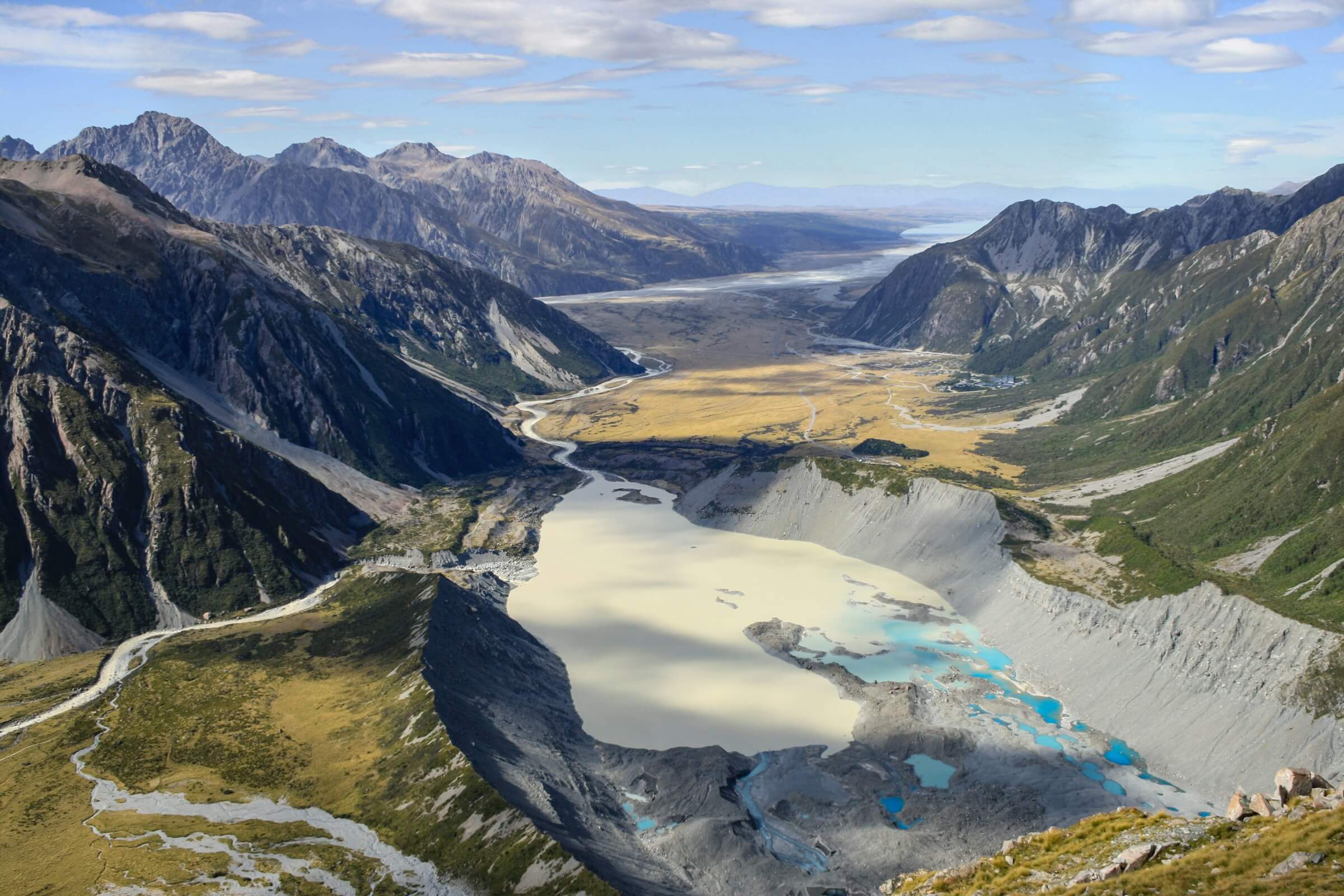
Being with those gorillas in their habitat really drives this home. Watching them navigate the forest, interact with each other, just live their lives, you’ll see how quietly confident they are. How utterly unconcerned with human presence.
Life goes on without us, you know? Our daily dramas and worries feel absurdly small when you’re standing there watching something so much larger unfold.
Quiet observation over constant action
Here’s what surprises me most: how much stillness these experiences demand. They’re not adrenaline rushes.
They don’t thrive on speed or action. Instead, they require you to be patient. To be quiet. To really pay attention.
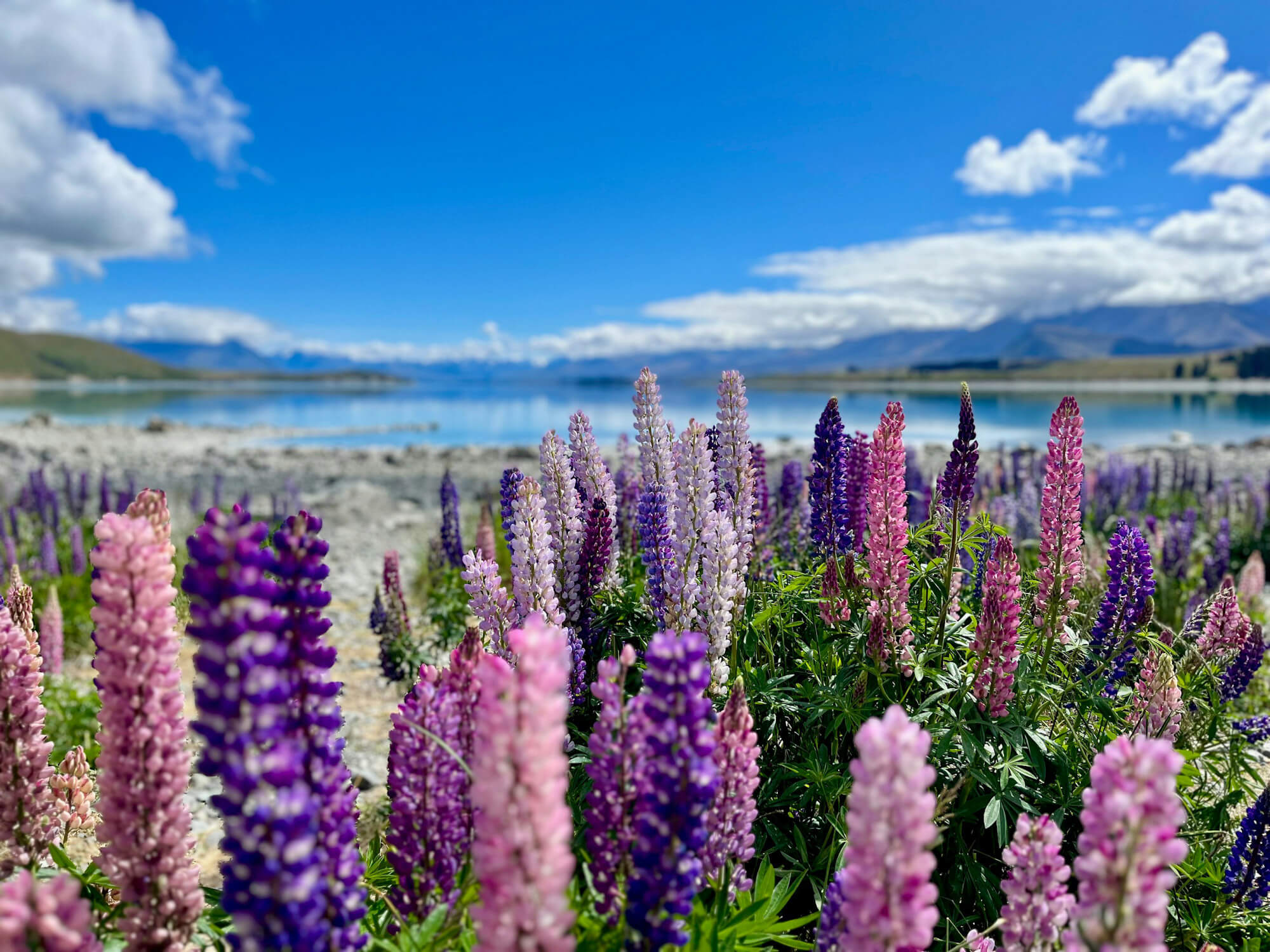
Your senses wake up. You start noticing things you’d normally miss: the rustle of leaves, the way light filters through the canopy, the snap of a twig somewhere nearby. Every tiny detail suddenly matters.
And that’s humbling too. Because you can’t rush it.
You can’t force the experience to match whatever you had in mind. Adventure becomes less about checking something off a list and more about just participating.
Responding to what’s actually happening around you instead of trying to control it.
Feeling connected without dominating
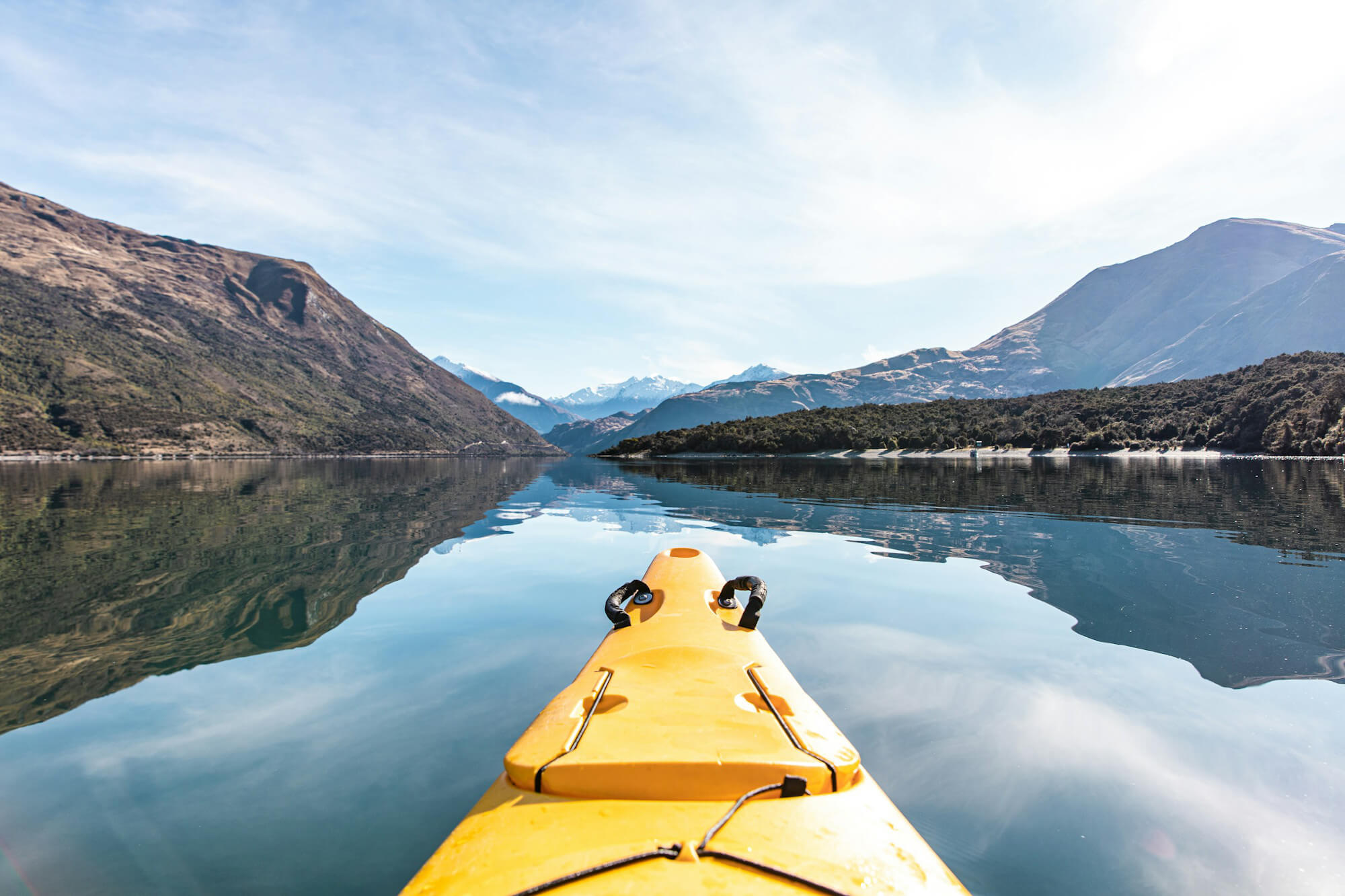
What makes these moments so memorable, I think, is how they balance humility with connection. You feel small, yes. But not powerless. Not insignificant.
You’re part of something larger, a participant in this ecosystem rather than someone trying to dominate it.
Wildlife encounters really bring this into focus. Watching gorillas in their own space reminds you that we share this world with countless other forms of life, all going about their business completely independently of human schedules and ambitions.
By moving respectfully, by staying quiet, you become part of the scene without disrupting it. That sense of coexistence? It stays with you.
Why smallness matters

Feeling small, whether you’re standing before a vast landscape or in the presence of powerful wildlife, does something to you emotionally. It doesn’t diminish you, though.
It reframes things. Your personal worries shrink down to size.
The everyday frustrations fade. Life feels fragile and expansive all at once.
These lessons linger. Weeks later, months even, you’ll find yourself thinking about the quiet of that forest.
The slow, deliberate movements of the gorillas. The feeling of being attuned to something so much bigger than yourself.

This will subtly shift how you approach daily life. You’ll have more patience, more awareness, and more appreciation for things that can’t be rushed.
Experiencing scale beyond wildlife
Gorilla encounters are extraordinary, no question. But you don’t need wildlife to feel this way.
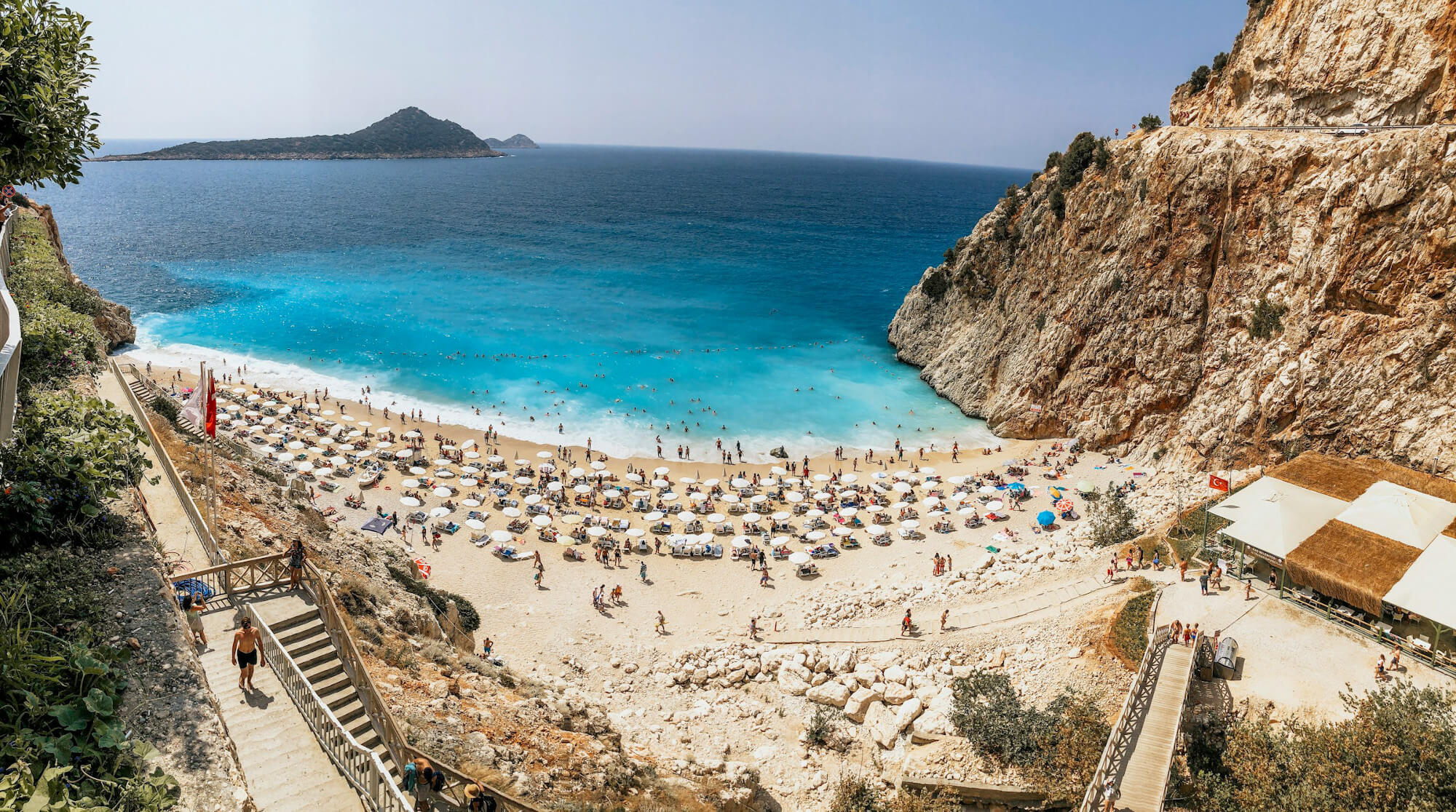
Vast deserts do it. Towering mountains. Endless coastlines. Dense forests.

Any space that completely dwarfs human concerns and demands that you slow down, that you observe rather than consume.
The effect is always similar. Awe mixed with humility. Curiosity tempered by respect.
You come away feeling small and yet more connected to everything around you.
The subtle power of quiet adventures
These quieter, more reflective experiences often leave the deepest mark. They’re not about dramatic peaks or heart-pounding moments.

Instead, they work on you more subtly, shifting your perspective, sharpening your awareness, encouraging mindfulness without you even realising it’s happening.
You learn that adventure doesn’t need to announce itself loudly to matter. Sometimes the most memorable experiences unfold quietly, slowly, with an unassuming grace that sticks with you long after you’ve returned home.
Carrying lessons forward
Maybe the most valuable thing about travel that makes you feel small is how it changes your everyday life afterward. Cities feel different once you’ve spent time in vast, wild places.
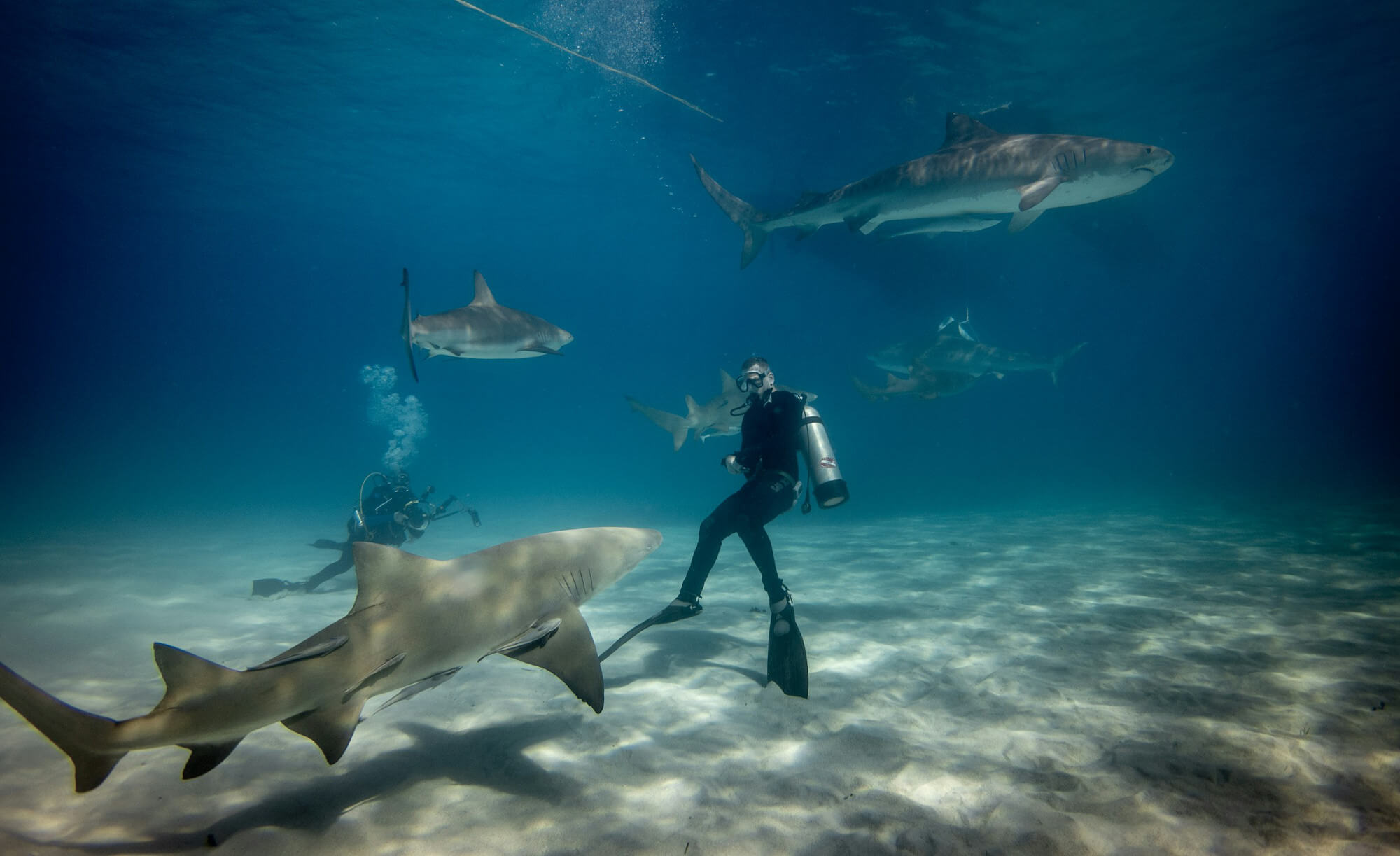
Silence becomes comfortable instead of awkward. Waiting feels less frustrating.
You notice details in your daily surroundings that you’d previously walked right past.
These experiences teach patience, reflection, humility, and those lessons endure. They remind you that significance isn’t always about visible achievements or Instagram documentation.
Sometimes it’s just about the quiet awareness that comes from being fully present.
Travel experiences that make you feel both small and inspired offer more than pretty views or good photos. They challenge how you see things.
They cultivate mindfulness. They leave an emotional imprint that lasts.
Standing in a vast forest, observing wildlife, simply moving deliberately through an environment that dwarfs you, you gain clarity about where you fit in the world. These moments remind us that life is older and larger than we are.
That meaningful adventure often involves listening more than speaking. Observing more than performing. Letting yourself be part of something greater.
And when you do? You return not just with memories, but with a quieter, deeper understanding of how to actually be present in your own life.