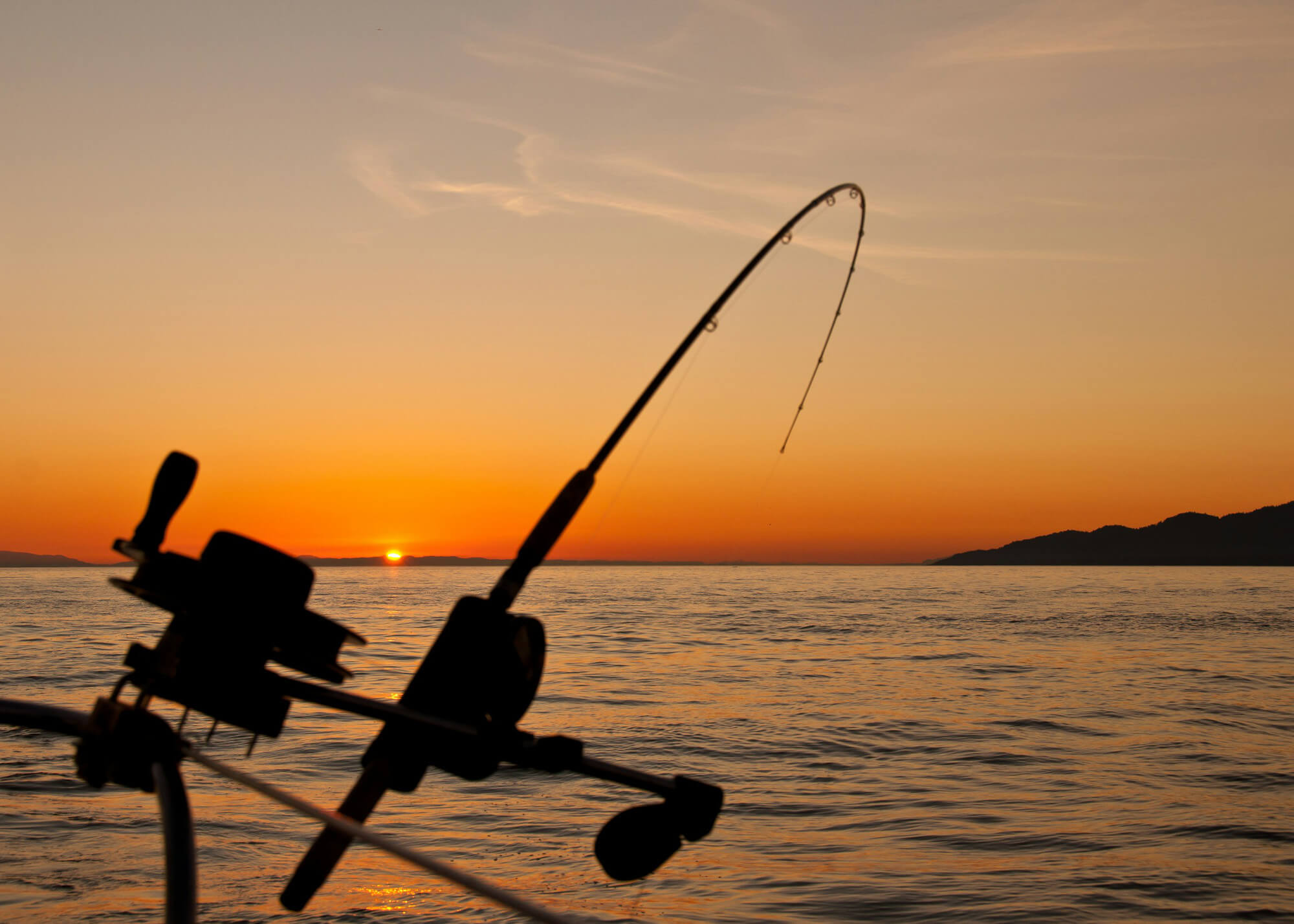
All anglers understand that half the fun of fishing is in the chase. Not only in fishing itself, but also searching for the ideal place to put your hook in.
| Collaborative post |
Even as you explore a new city, do a beach hike, or tour picturesque scenery, knowing where to fish is what can be the difference between a relaxing adventure and a wasted one.
How to then find that sweet spot? This guide will teach you how to find good fishing spots anywhere you go, whether it is getting familiar with local water or using the latest technology, such as the Fishbox app, to find the best places in your immediate area.
Best practices for finding good fishing spots
1. Start by asking the right question: “Where can I fish?”
The most basic but most important question before setting your rod and reel is: where can I fish?
The answer to that depends on where you are. In some places you can fish in almost all lakes or rivers, whereas in others you must have permits or some species are off limits.
You’ll need to find out from your local parks department, state wildlife agency, or the Department of Natural Resources of your area, about the public listings of fishing spots around your location.
Online maps indicating which areas are permitted to be fished, boat ramps and points of public access are available in many states, if you’re fishing in the USA.
This will make sure you are not trespassing on private land and help protect wildlife and the environment.
When visiting an unfamiliar location, ask people in the bait shops or marinas.
These anglers know the secrets of the lakes, and they can lead you to hidden covers, a little branch of a stream, or some small pond where the fish almost always strike all day.
2. Use smart tools to find fishing spots nearby
The utilisation of technology has entirely transformed how the angler finds fishing spots.
Modern technologies such as the Fishbox app can be used to provide real-time information about the fishing conditions in the area instead of relying on word of mouth.
With the Fishbox app, you can:
- Locate fishing sites in the surroundings in real time on GPS maps.
- Find out the weather, tides and the moon to determine the optimum time to fish.
- See a species profile that clearly shows the type of fish biting in your region.
- Access community reports of other fishers who share catches, bait tips and the local regulations.
The interactive map by the Fishbox app is especially handy for those travellers who travel frequently around different regions or states.
It identifies freshwater and saltwater locations, and you will always know precisely where to go fishing for bass, trout, catfish or even the walleye.
Modern technology doesn’t take away from your adventures. On the contrary, it boosts them and helps you make a good decision and waste no time on the water.
3. Understand local regulations and licensing
Before you drop your line, you should have a good fishing license for the state or region you are visiting.
In most states, anglers must buy one, and the fines that may be imposed in case of fishing license violation are exorbitant.
The fishing laws are also species and season specific. There are regions where fish catch, or size, is limited, and there are also catch-and-release waters for conservation.
Also, the regulations on fishing in the area should always be checked, and rules adhered to, to facilitate sustainable fishing and wildlife conservation.
Numerous apps will give you direct access to regional licensing sites so that you can keep compliant on the road.
4. Research water types and species
When mastering the skills of how to find fishing spots, you need to know what kind of water you’re dealing with and what fish are in it.
- Lakes and reservoirs: Perfect in case of largemouth bass, walleye, and crappies. Search in submerged structures, weed lines or drop off, where fish prefer to conceal themselves.
- Rivers and streams: Excellent trout, smallmouth bass and catfish. Note existing pauses, deeper pools and shadows.
- Ponds: Best suited to beginners or families. The bluegill, sunfish and smaller panfish are found in ponds and are not difficult to capture.
- Urban parks: Many local ponds are stocked with trout or bass in many cities to enable easy access to the fish for people who are left wondering where to go fishing without leaving town.
The information about the species that reasonably flourish in water of that type will enable you to choose the techniques and baits needed and have a better chance of success.
5. Pay attention to structure and water conditions
Even the best fishing opportunities may escape you without being able to recognise them. Fish tend to congregate around structures such as:
- Fallen trees or brush piles
- Ledges made of rock and humps.
- Docks and piers
- Coves in veg or veg geometric.
In case of uncertainty, put on polarisation glasses to bring down the glare and enable you to see beneath the surface. Observe the water and find good fishing spots not indicated on any map.
Temperature and clearness are important. Trout like cold water in the morning or during early spring, whereas bass like warm water in the summer.
Watch out for the surface movement or little bait as they are a likely indicator that predators are nearby.
6. Use maps, satellites, and local resources
A satellite image is your best friend when you are going through uncharted territories.
Google Maps’ topographic maps can be useful in fishing spots around campgrounds, trails, or even small ponds that may be deep in the woods.
Add that to the knowledge gained from the local fishing forums, state fishery reports, or park visitor centers to locate the lesser-known areas.
This local knowledge can help you to select places that can be neglected by tourists but are highly recommended by locals.
In addition, find out about the accessibility of the area, including parking spaces, boat ramps, and paths. They usually signify the officially known fishing spots where you can fish with no worries of trespassing.
7. Timing is everything
Half of the battle is finding the right place. The other half is getting the right time to fish. The behaviour of fish varies according to the seasons, weather, and time of day.
- Early in the morning and late in the evening are the best times, mainly during summer days when fish avoid the heat of the day.
- When it is cloudy, it is likely to be very productive as fish are a little bolder and can be found freely playing in shallow waters.
- Light rain makes the rivers and streams become active with nutrients being washed into the water, and this draws fish near the shore.
8. Respect nature and local communities
Whatever your fishing destination is, respect is important. Always take your rubbish with you, observe local rules and do not disturb wildlife or the property of the landowners.
Leave the place as you find it as future anglers will appreciate this. Conservation makes sure that these wonderful fishing opportunities are available to future generations.
Responsible angling not only helps to preserve fish populations but also improves the relationships between people and nature.
The perfect fishing place is not a matter of luck, it is a matter of curiosity, anticipation and the appropriate equipment.
Combining local and smart knowledge with the technology, you can find the best fishing locations wherever you travel.
Whether you are fishing in a small pond, a very big lake, or a rushing stream, keep in mind the need to respect the waters, abide by the local rules, and enjoy the thrill of the catch.
FAQs
1. How do I find good fishing spots near me?
Find local fishing spots, fishing access points and recent catches, using online maps, regional forums or using a fishing app.
2. Do I need a fishing license everywhere?
Yes, most states require one. Always observe the regional regulations to avoid fines.
3. What are the best times of day to fish?
Morning and evening would be recommended because fish are more vigorously active in cool weather.
4. Can I fish in public parks?
Many permit fishing but check the local regulations beforehand. Some may require special permits or prohibit specific areas.
5. What should I bring on a fishing trip?
A rod, reel, bait, tackle, polarised pair of sunglasses, and a fishing permit. Take sunblock and lots of water.
6. How can I find where to fish for bass?
Seek the spots of lakes and rivers where there is vegetation, with rocky structures or submerged logs. These are the best places to find largemouth and smallmouth bass.