
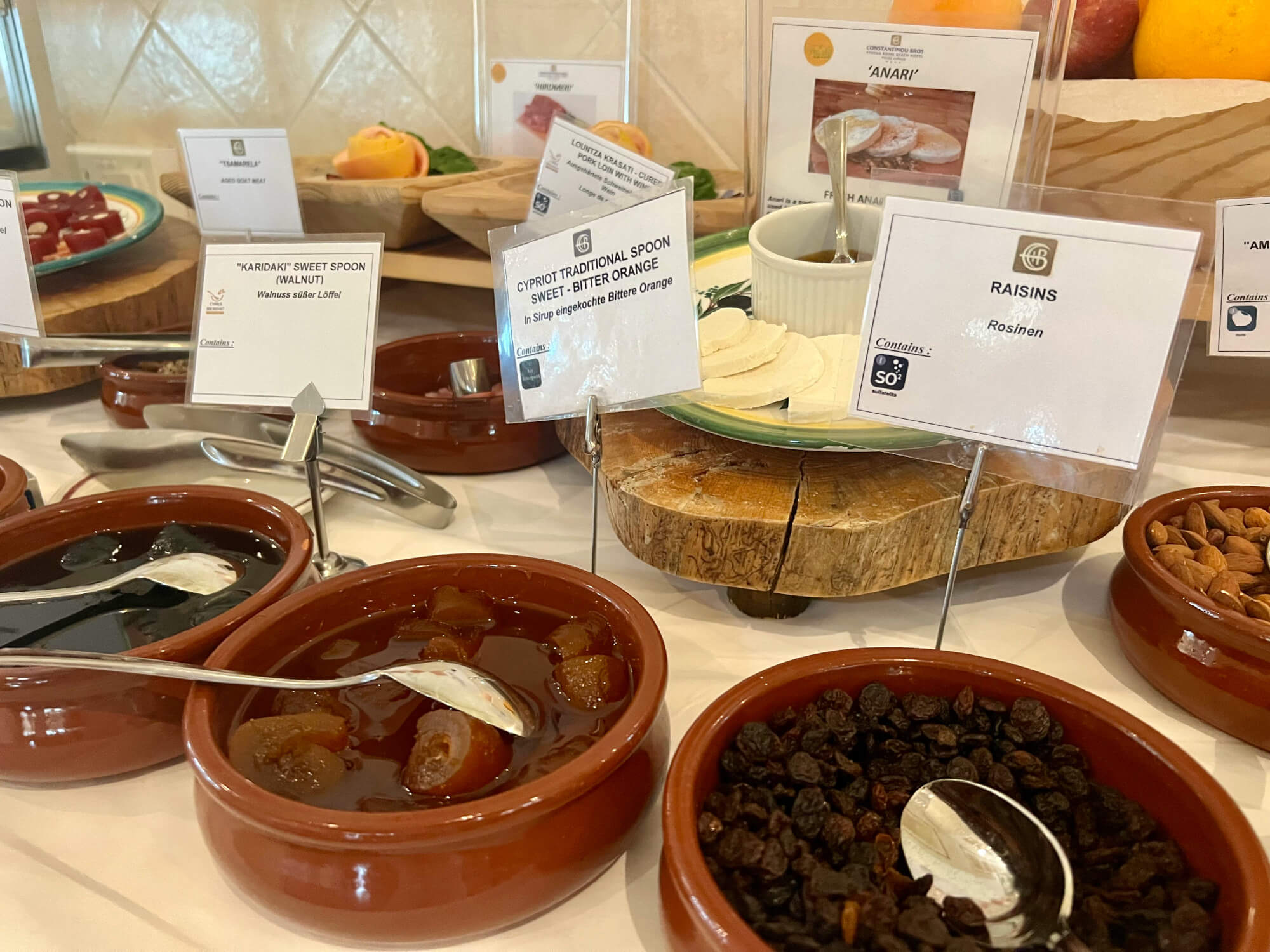
You walk into a hotel breakfast buffet in the US or UK, and everything looks fresh, even after hours. That can feel risky, especially when you know food has been sitting out.
| Sponsored post |
What you do not see is a tightly controlled system designed to protect every bite you take.
The clock quietly decides
You may have missed it but time control is one of the strictest rules in buffet service, from scheduling and preparation to setup. Under the FDA Food Code and UK Food Standards Agency guidance, perishable food must not be kept in unsafe temperature ranges for more than two hours.
That’s why you see smaller trays and frequent replacements. Some buffet offerings, like eggs, dairy, and fruits, are usually tracked in timed batches, then taken off the table and swapped before their quality drops.
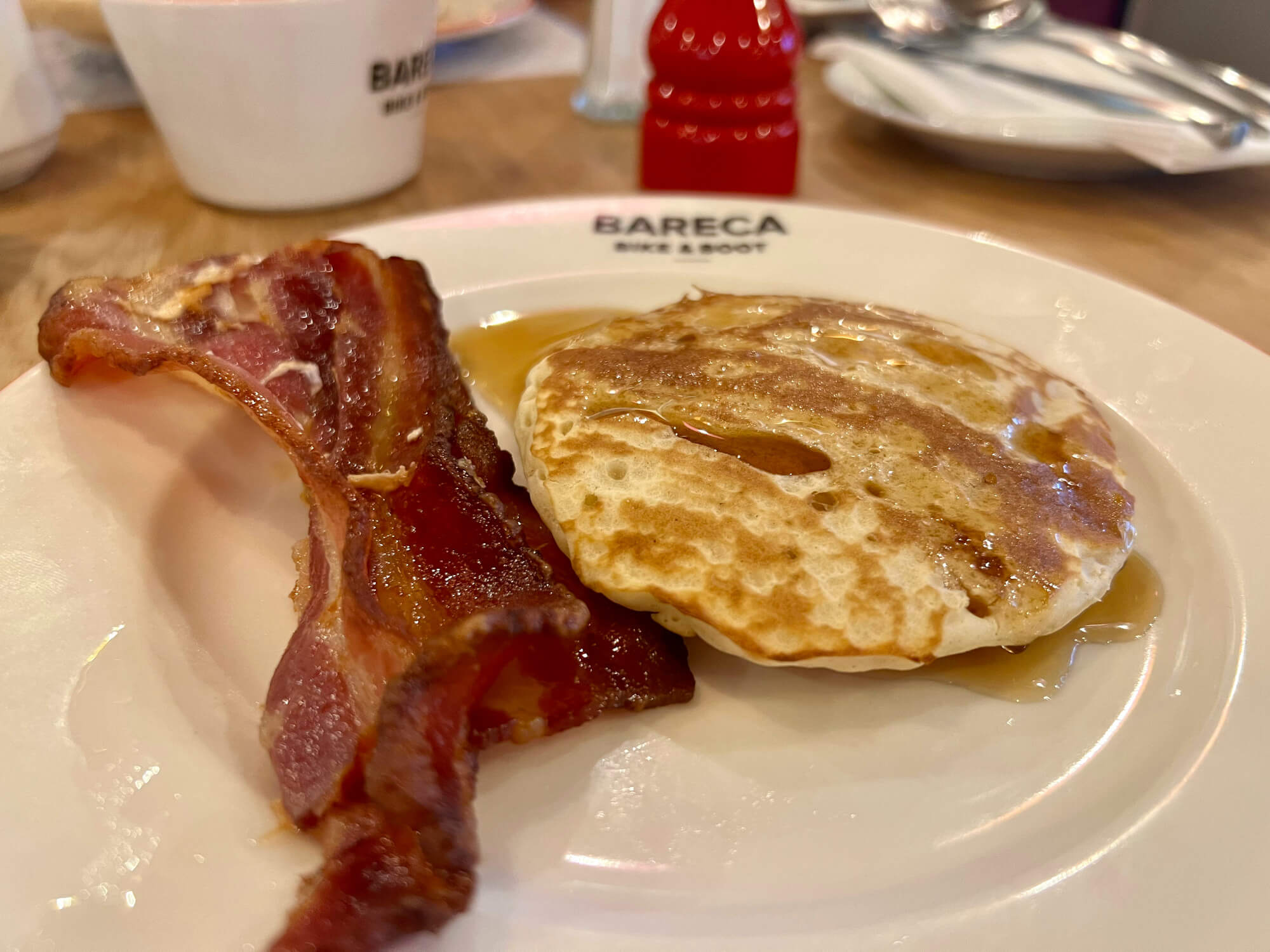
It’s a way of protecting both safety and texture while reducing waste during peak breakfast hours.
Temperature control is the real safety net
You need to make sure that hot food remains hot and cold food stays cold, without exception. In both the US and UK, safety standards say to keep hot food above 60 degrees Celsius and cold food below 5 degrees Celsius.
Staff check these levels throughout service using calibrated thermometres. This routine matters because the CDC estimates that about 48 million people in the US get food-borne illnesses each year, with improper temperature control as its leading cause.
Super efficient cooling system as the hidden backbone
Here is the insider truth most guests never hear. Many hotels maintain consistency by consolidating back-of-house cooling equipment into an efficient and centralised system that works like a commercial fridge-freezer combo.
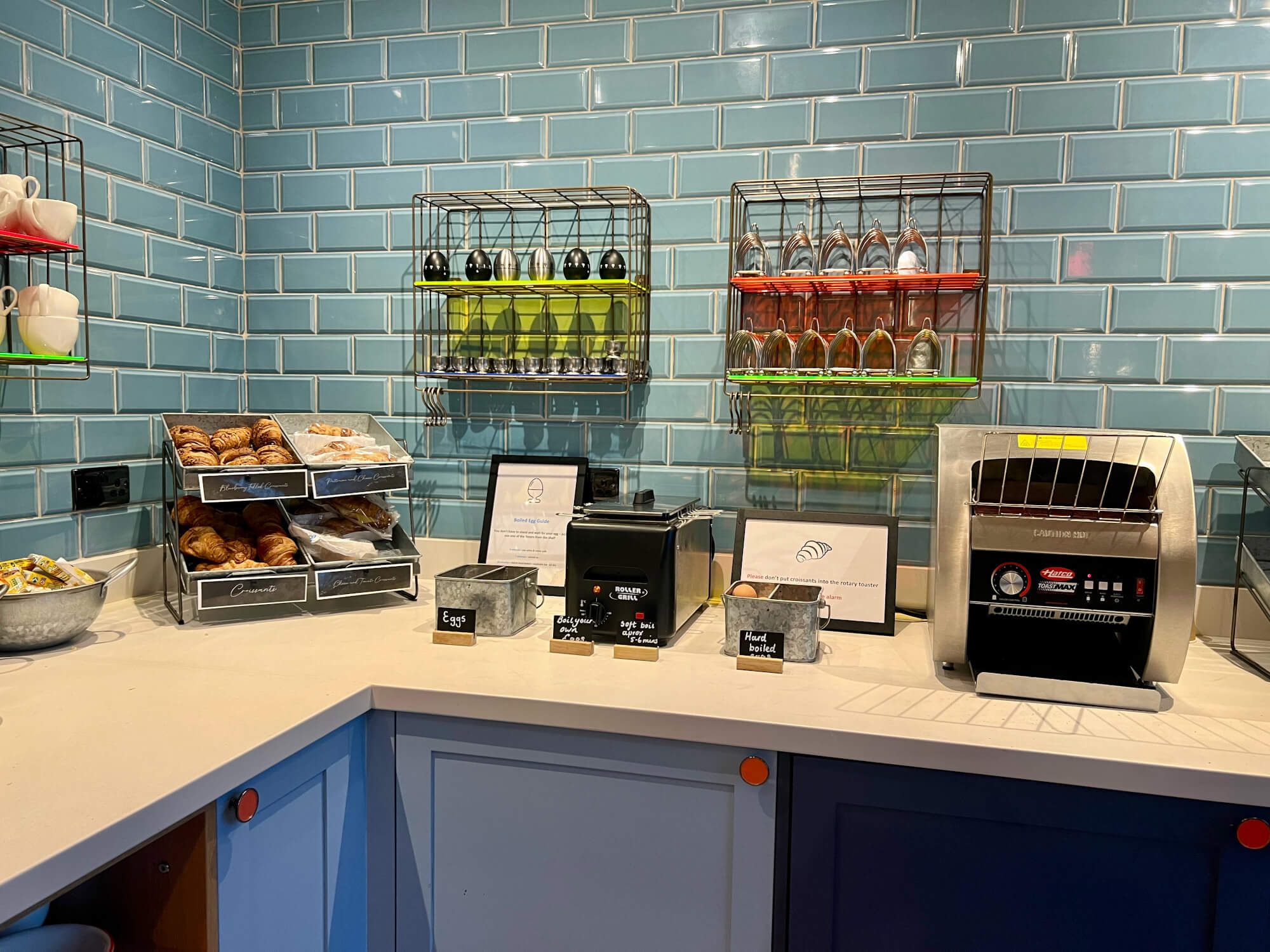
Using these installations allows kitchens to manage frozen and chilled ingredients in one place. This supports a stable cold chain for milk, meats, and produce, which food safety frameworks in both the US and UK identify as critical for preventing contamination.
Solutions like those found on restaurant supply platforms show how dual temperature systems reduce door openings and stabilise internal conditions.
For you, that means ingredients stay consistently fresh from storage to service, even during busy mornings in cities like London, New York, or Chicago.
Batch cooking keeps quality high and waste low
Hotels don’t really rely on bulk cooking. Instead, they prepare food in smaller batches based on real-time demand to avoid spoilage.
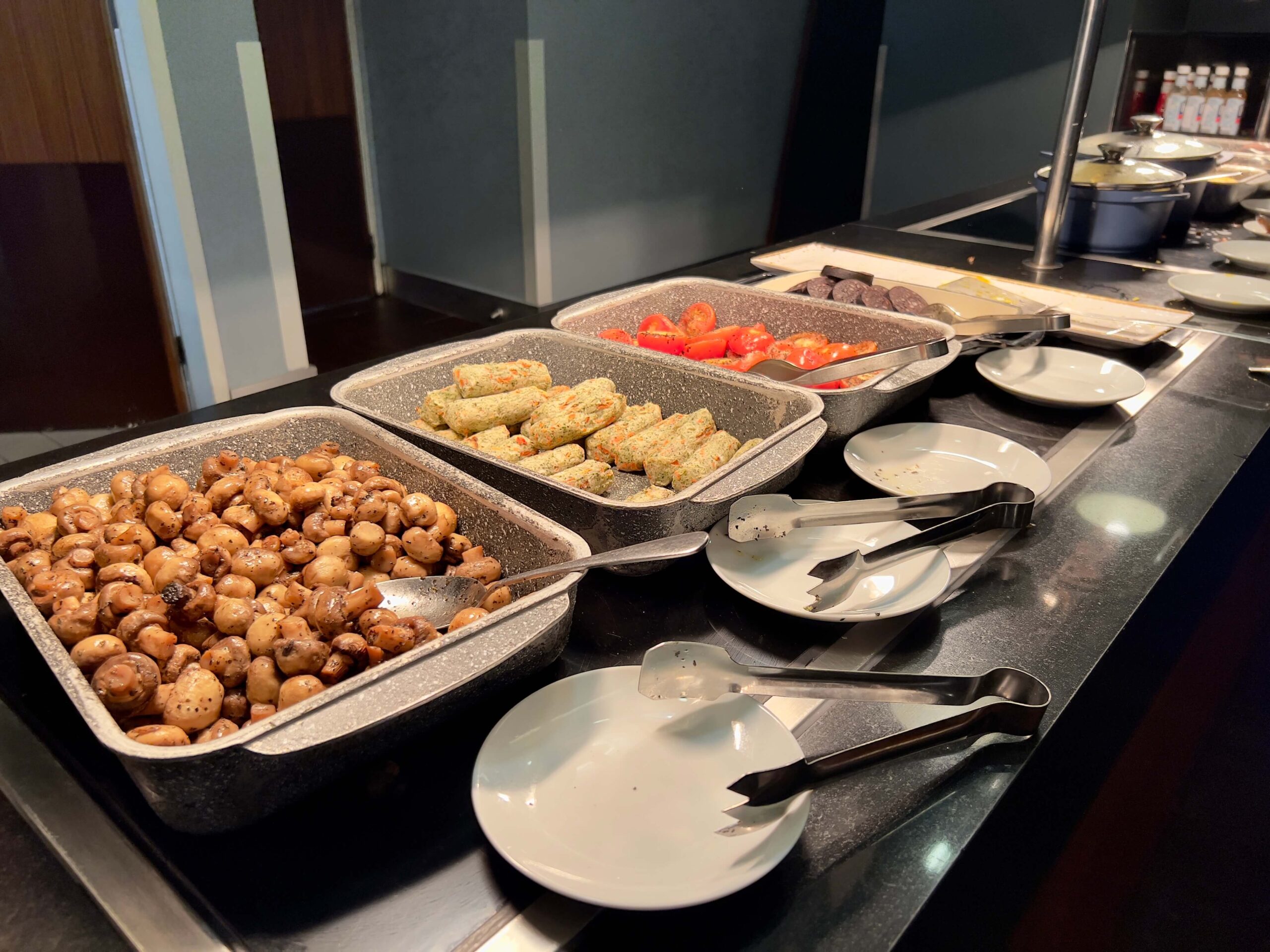
It’s a smart routine that helps keep items like eggs and pancakes fresh instead of getting dry and soon discarded. It also supports global sustainability goals, as the United Nations Environment Programme reports that over 900 million tonnes of food waste are collected worldwide each year, pushing hotels to adopt smarter production methods.
You will often see this in action at high-end hotels, where live cooking stations and frequent refills keep food fresh, as shown in this hotel breakfast buffet experience.
Rotation systems protect you without you noticing
Most of today’s kitchens follow a strict first-in, first-out system, especially in top-tier restaurants. Older food is used first, and trays are replaced instead of just being topped up.
This prevents mixing fresh and aging food, which can hide spoilage. Clear labelling also helps reduce allergen risks, which is a growing focus across both US and UK hospitality standards.
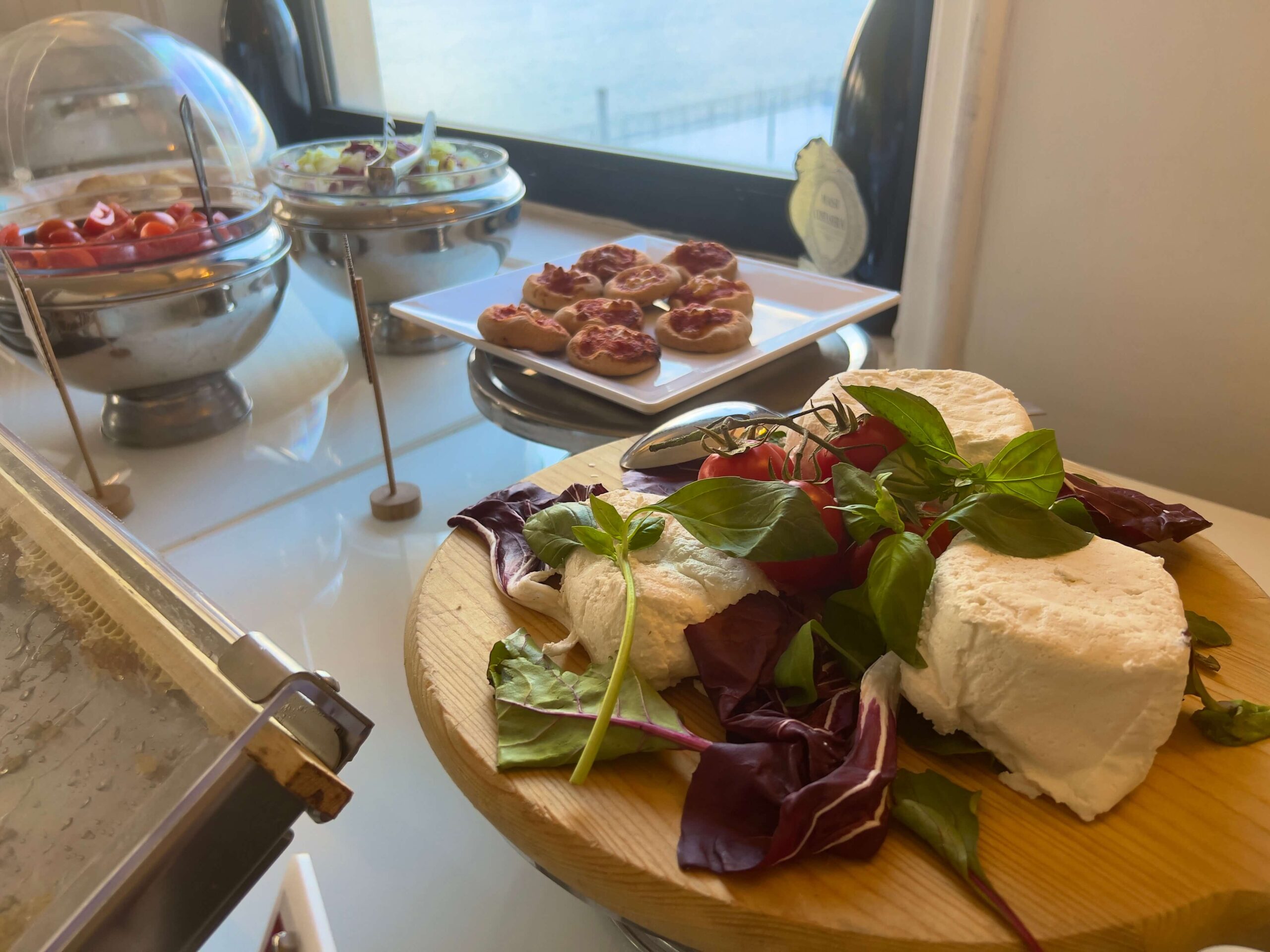
What you should watch out for at any hotel breakfast buffet
It’s quite easy to spot a well-managed buffet in seconds, especially in hotels. Look for actively serving staff, clean utensils, and trays that are replaced often rather than overfilled.
Check simple visual cues. Cold items need to look perfectly chilled and dry, not watery.
Hot food has to appear moist and freshly prepared. Frequent movement is a strong sign of good kitchen control.
Why food safety standards today matter more than ever
Food safety rules in the US and UK are among the most structured in the world. Agencies like the FDA, CDC, USDA, and UK Food Standards Agency enforce strict guidance on storage, handling, and temperature control.
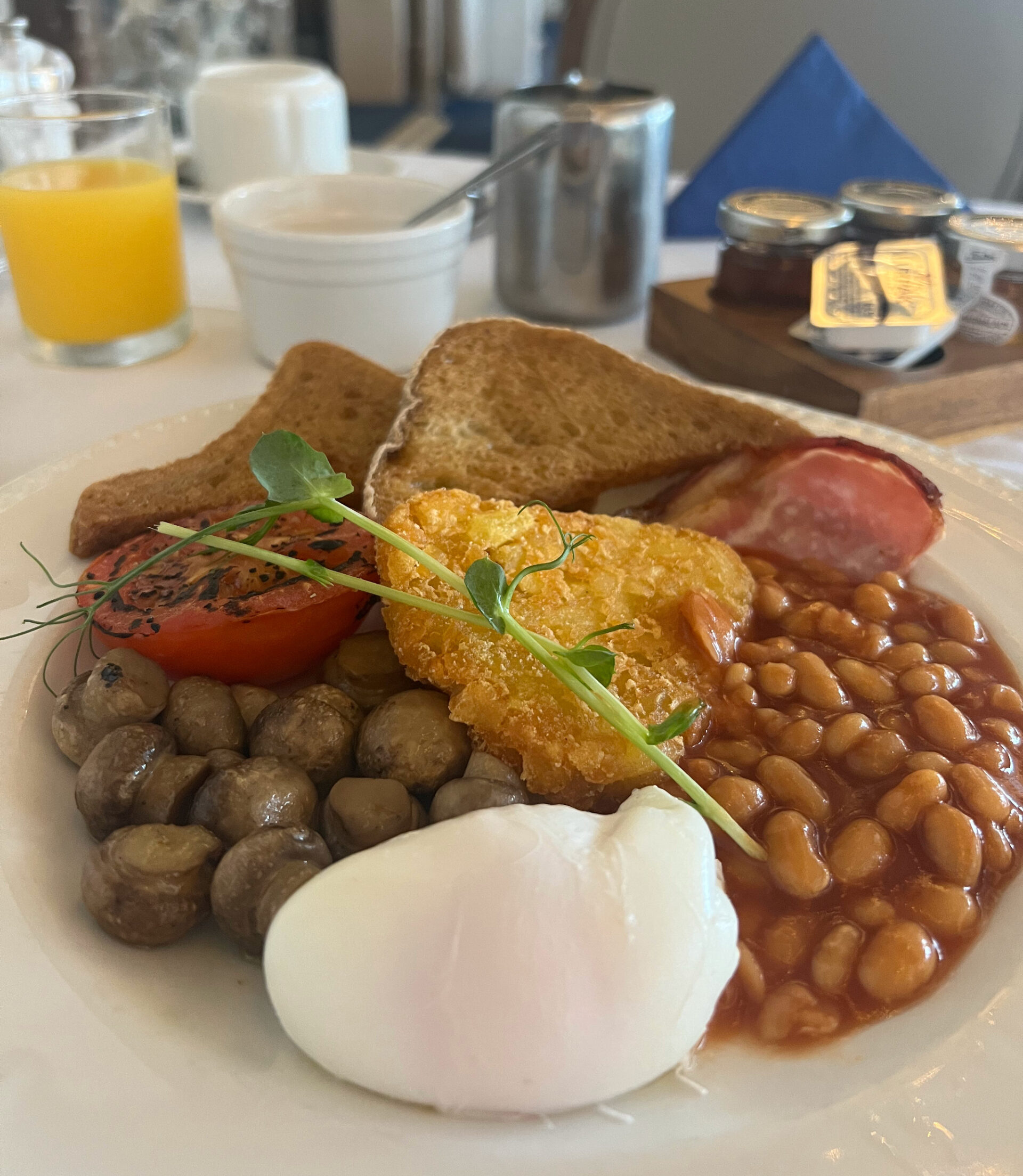
Hotels that follow these standards protect both guests and brand trust. This is especially important in high-traffic travel hubs where buffet turnover is constant, and expectations are high.
See the system, trust your choice, enjoy your plate
Now you are not just looking at a buffet, you are reading a system built on timing, temperature, and smart equipment. You know what signals freshness and what raises concern.
Next time you step into a hotel breakfast, use that insight. Choose with confidence, trust what you see, and enjoy every bite knowing it is backed by real control.