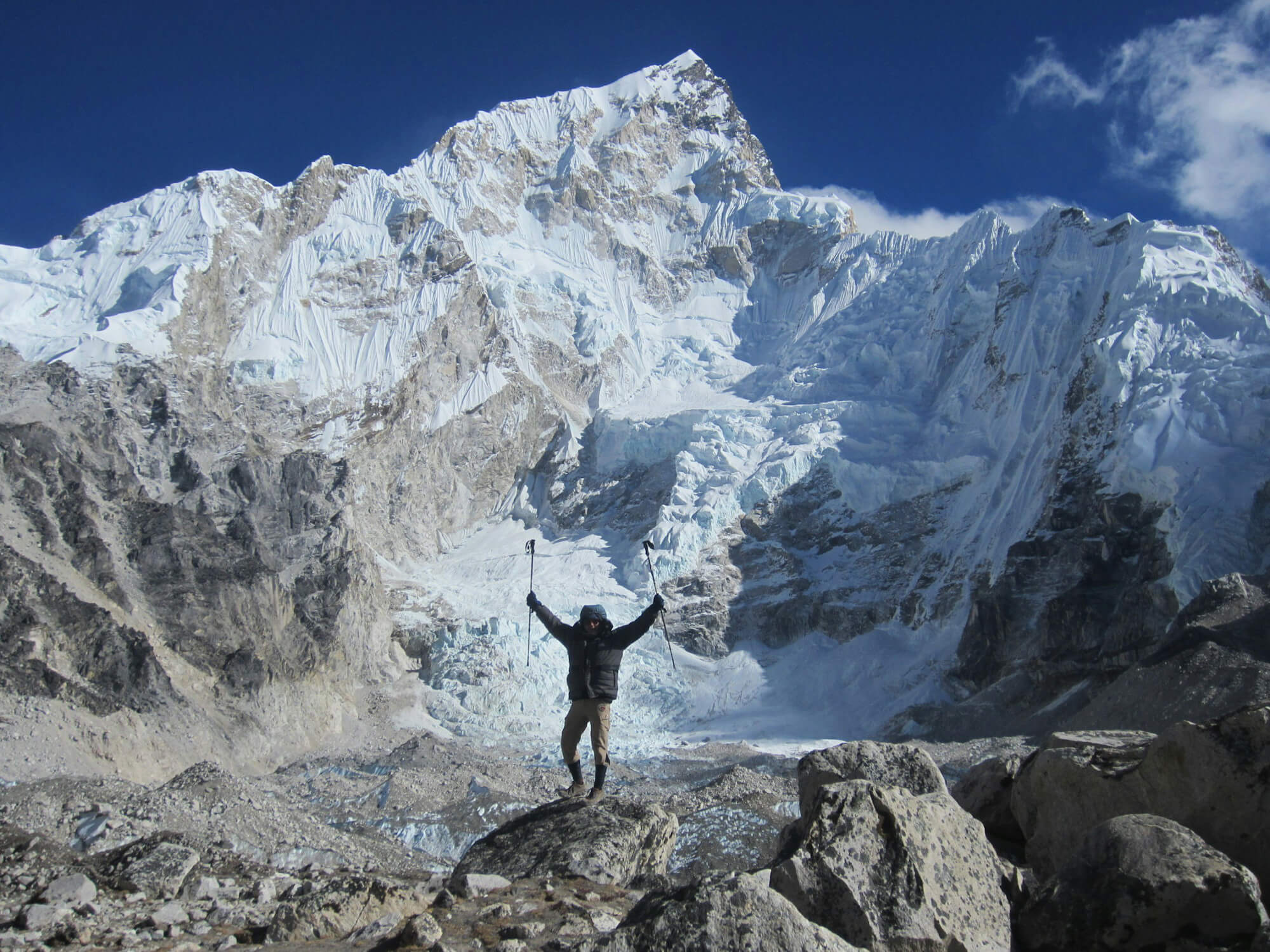
Everest is a dream destination for many adventure travellers. If you, too, are among the many people who have dreamed of standing in icy mountains and taking a breath of cold wind while wrapped up in your thickest jacket, then it’s time to turn those beautiful dreams into a reality.
| Sponsored post |
Everest Base Camp trek is a magical journey for trekkers, hikers, and everyday adventurers. Tens of thousands of people trek to EBC each year for the mystical vibes of the world’s tallest mountain. So, what reason do you have to be any different?
Read on to find out the best time of the year to experience the EBC trek in all its glory.
Everest in each season
Each season of the year offers up a different side of Mount Everest before you. Some seasons show its pretty, gentle sides while others unleash its savagery. You’ll need to know the perfect time to go to make your trip enjoyable.
Spring (March to May)
Spring is one of the best seasons to visit any mountain, no matter where you are and the Himalayas are no exception. This is when snow begins to melt, rhododendron forests bloom, and the sky starts to clear.
So, planning an EBC trek in March is considered the best plan for many trekkers. The days are warm but not hot enough to make you sweat, the nights are cool, and the skies are bluer than at other times of the year.
Summer (June to August)
The beginning of summer is a good time to experience the beauty of Everest. The temperature is warmer and the surrounding forests are lush and full of life.
If you want to avoid winter and deep snow, this could be an excellent time to visit Everest.
However, summers also mean monsoon season when roads remain wet and mornings foggy. The wet and humid season is not the most convenient time to trek, but if you love the smell of wet soil, green valleys, empty trails, and dark clouds, then a journey in summer could be for you.
Disclaimer: Monsoon seasons usually bring along troubles like landslides, cloud bursts, and unexpected natural disasters, therefore, it’s always best to take your trip when it’s safer and more enjoyable.
Autumn (September to November)
Autumn is the most popular season to visit Everest. The monsoon skies clear, and blue skies and cool air appear.
The mountains are red, orange, and yellow, and are all very picturesque. The entire mountain has a golden vibe, and you see some of the best scenery in the entire world.
The autumn weather is great, and you’ll meet hundreds of trekkers on the trail. October is the most crowded time so tea houses may fill up quickly, but you’ll meet people from around the world.
Winter (December to February)
Everest is almost desolate during the winter. The crowds decrease, and the snow-covered mountains feel lonely.
It’s very cold up high, but if you’re properly kitted out, winter hikes are as serene as it gets. The skies are clear, and the views of Everest are razor sharp.
There is a certain kind of magic in sliding into the lodge, now near-empty, and having a hot cup of tea as you watch the stars push back against the night.
Yet January and February can be the cruelest and most dangerous of months in winter. It should come as no surprise, considering it is the tallest mountain in the world, that there can be dozens of meters of snow on it in the winter at any given time, and snowstorms can pop up out of nowhere.
So, when’s the ideal time to go?
Most seasoned trekkers and mountaineers pick spring and autumn as the best seasons if you want to enjoy the Everest Base Camp trek. These seasons guarantee optimal weather, visibility, and trail safety.
March and April, in particular, are great months if you prefer solitude on trails and weather transitioning from winter to spring. You’ll see rhododendrons start to bloom and shake away that piled up snow as the weather turns slightly warmer.
If you’re looking for crisp mornings and postcard skies, October and November are your best bet. It’s just that you might have to wait for crowds to disperse before taking insta-worthy pictures.
Festivals and local life
Nepal is not only famous for its scenic mountains, but also for its hospitable people and fascinating festivals. Sherpa people love to celebrate local festivals in spring and autumn when it’s neither too hot nor too cold.
In April and May, the two-day Dumje Festival crashes through Sherpa villages in an ecstatic jumble of music, prayer, and out-and-out joy.
At the end of October, you can enjoy the Mani Ridu festival, where locals do mask dances at Tengboche Monastery to celebrate peace and compassion.
If you love to meet new people and explore new cultures, you’ll definitely enjoy these festivals.
If you’re planning to trek to Everest Base Camp, first, consider what you would like to see there. In the spring, Everest begins to wake up, and nature is in full bloom. In the autumn, it offers you beautiful hues of red, orange, and gold.
If you are still undecided, then the lovely people of Mosaic Adventure are here to help you. Their crew of seasoned hikers and locals is well-versed in all the things each season offers, and they can steer you in the direction of what you might be able to see when.