
Imagine stepping off a plane into a city where a familiar face waits. Not a relative. Not a tour guide. Just a friend you’ve already laughed with over video calls.
| Sponsored post |
This isn’t luck. It’s planning.
Travellers who find friends abroad online before leaving for their travels report significantly lower stress levels. A study by the Adventure Travel Trade Association found that 68% of solo travellers felt anxious about arriving in a new country alone.
But those who engaged in travel social planning beforehand? Their anxiety dropped by nearly half.

You don’t need to be an extrovert. You just need a strategy.
The trick is to start early. Weeks, even months, before your flight.
Because friendships need time to breathe—even digital ones. And when you connect before travelling, you transform an unknown destination into a place dotted with familiar faces.
Let’s break down how to do it.

Join online travel communities: your digital gateway
Forget lurking. Dive in.
Platforms like Reddit’s r/travelpartners, Facebook groups dedicated to digital nomads, or even niche forums for specific cities are buzzing with people just like you. They’re not bots. They’re future friends.
Join online travel communities with intention. Don’t just post “Hey, anyone in Lisbon?”
Instead, share something personal. A photo of the pastry you’re dying to try. A quirky observation about the language.
One study from the Journal of Travel Research noted that travellers who posted specific, interest-based questions received three times more meaningful responses than those with generic requests.
Here’s a pattern to try: introduce yourself, state your travel dates, and name one weird hobby. “I’m arriving in Tokyo in March. I collect vintage vending machine toys. Does anyone know a good spot?”
Suddenly, you’re memorable. And when you’re memorable, people reach out.
These communities are often moderated to prevent spam, so genuine curiosity stands out. It’s your first step.

Connect with locals digitally: beyond the tourist trail
Now, go deeper. Apps like CallMeChat were designed for exactly this.
They allow you to connect with locals digitally before you’ve even booked a hostel. Here, you can video chat with women online and find friends from different cities and countries.
This is a great way to learn more about a destination and start new relationships there before you even start your trip. Here’s a surprising stat: according to a 2024 survey by Hostelworld, 42% of travelers using local networking apps ended up having coffee with a resident within 48 hours of arrival. But the key is initiating contact beforehand.
Don’t just send a “hi.” Study their profile.
If someone mentions they love hiking, ask about a trail you found online. If they’re a foodie, share a restaurant you’re excited to try and ask if they’ve been.
This isn’t transactional. It’s respectful.
You’re showing that you value their expertise, not just their availability. Locals often feel invisible in tourist-heavy cities.
Your genuine interest? It’s a breath of fresh air. And it lays the groundwork for authentic connection.

Use social platforms for networking: strategic approaches
Instagram, LinkedIn, even TikTok—these aren’t just for scrolling. They’re tools.
But you must use social platforms for networking with a clear purpose. Start by following expat accounts in your destination.
Expats know the shortcuts, the scams, and the best spots to meet friendly locals. Then, engage.
Not with emojis. With thoughtful comments. Ask a question about a story they shared. Within a week, you’re on their radar.
Another tactic: use location-based hashtags to find people who are already there. Search #MadridLife or #BerlinExpats and look for accounts that show personality—someone posting their daily coffee routine, their dog, their favorite street art.
These are people who enjoy sharing their world. Send a short, direct message: “I’m travelling to your city next month. Your photos make it look so vibrant. Any neighbourhood you’d recommend for a first-week wander?”
It’s low pressure. It’s specific. And it often works.
Plan meet ups in advance: turning virtual into reality
Here’s where it gets concrete. Once you’ve made a few connections, it’s time to plan meet ups in advance.
Don’t leave it to “let’s see when I’m there.” That’s a recipe for fizzle.
Propose a specific time and place. “I arrive on Tuesday. There’s a free jazz show in the park on Thursday. Want to join?”
This does two things: it shows you’re serious, and it gives you a fixed point on your calendar.
Statistics from the Global Friendship Index indicate that travellers who scheduled at least one social activity before departure reported a 57% higher satisfaction rate during the first week of their trip.
Why? Because that first week can be lonely.
Having a planned meet up acts as an anchor. It reduces the frantic “what do I do now?” feeling.
And if the first meet up goes well? Suggest another. A market visit. A cooking class. You’re no longer just a tourist. You’re someone with local plans.
Explore cultural exchange opportunities: mutual benefits
Friendship is a two-way street. And one of the best ways to explore cultural exchange opportunities is by offering something in return.

Language exchange platforms like Tandem or ConversationExchange allow you to connect with people who want to practice your language while helping you learn theirs. This isn’t forced. It’s built on mutual need.
Imagine this: you spend three weeks chatting with a graphic designer in Barcelona about design and Catalan culture. When you arrive, they’re genuinely excited to show you their favourite tapas spot.
You’re not a tourist; you’re a friend who shares an interest. A 2022 report by the European Travel Commission noted that 61% of long-term travellers who engaged in cultural exchanges before arrival developed friendships that lasted beyond the trip. Some even returned for weddings. It’s that powerful.
Reduce travel anxiety: the psychological payoff
Let’s talk about the knot in your stomach. The one that appears two days before departure.
By taking these steps, you actively reduce travel anxiety. It’s simple psychology.
Uncertainty breeds fear. Familiarity calms it.
When you have a handful of people you’ve been communicating with—their names, their faces, their favourite café—the unknown becomes known.
A study from the University of Surrey found that travellers who used digital tools to form social connections before a trip had cortisol levels (the stress hormone) 34% lower during their first 72 hours abroad compared to those who didn’t. That’s not trivial.
That’s the difference between hiding in your hotel room and wandering with a local friend. You’ve already communicated before arrival.
So when you land, you’re not starting from zero. You’re picking up a conversation.
Build international friendships: long-term rewards
This isn’t just about having someone to grab a drink with. It’s about building international friendships that reshape your worldview.
These connections often outlast the trip. They lead to return visits, shared holidays, and professional collaborations.
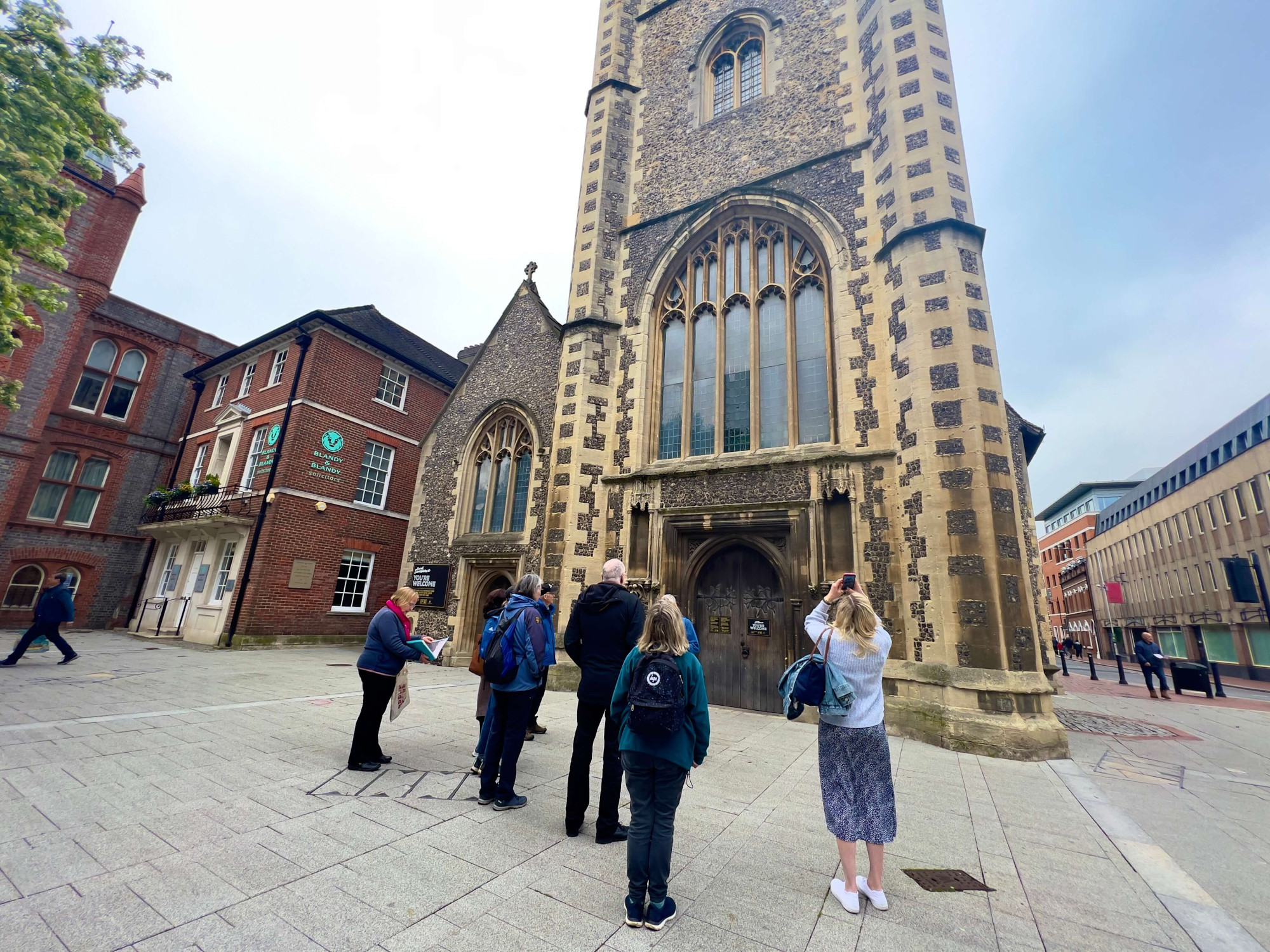
According to a 2023 survey by InterNations, 78% of expats and frequent travellers stated that friendships formed through pre-travel networking became some of their most meaningful relationships.
Why? Because you’ve filtered for compatibility.
You didn’t just meet a random person at a bar. You connected over shared interests, values, or curiosities.
And that foundation—built before you even packed—is unusually solid. You expand global connections in a way that feels organic, not transactional.
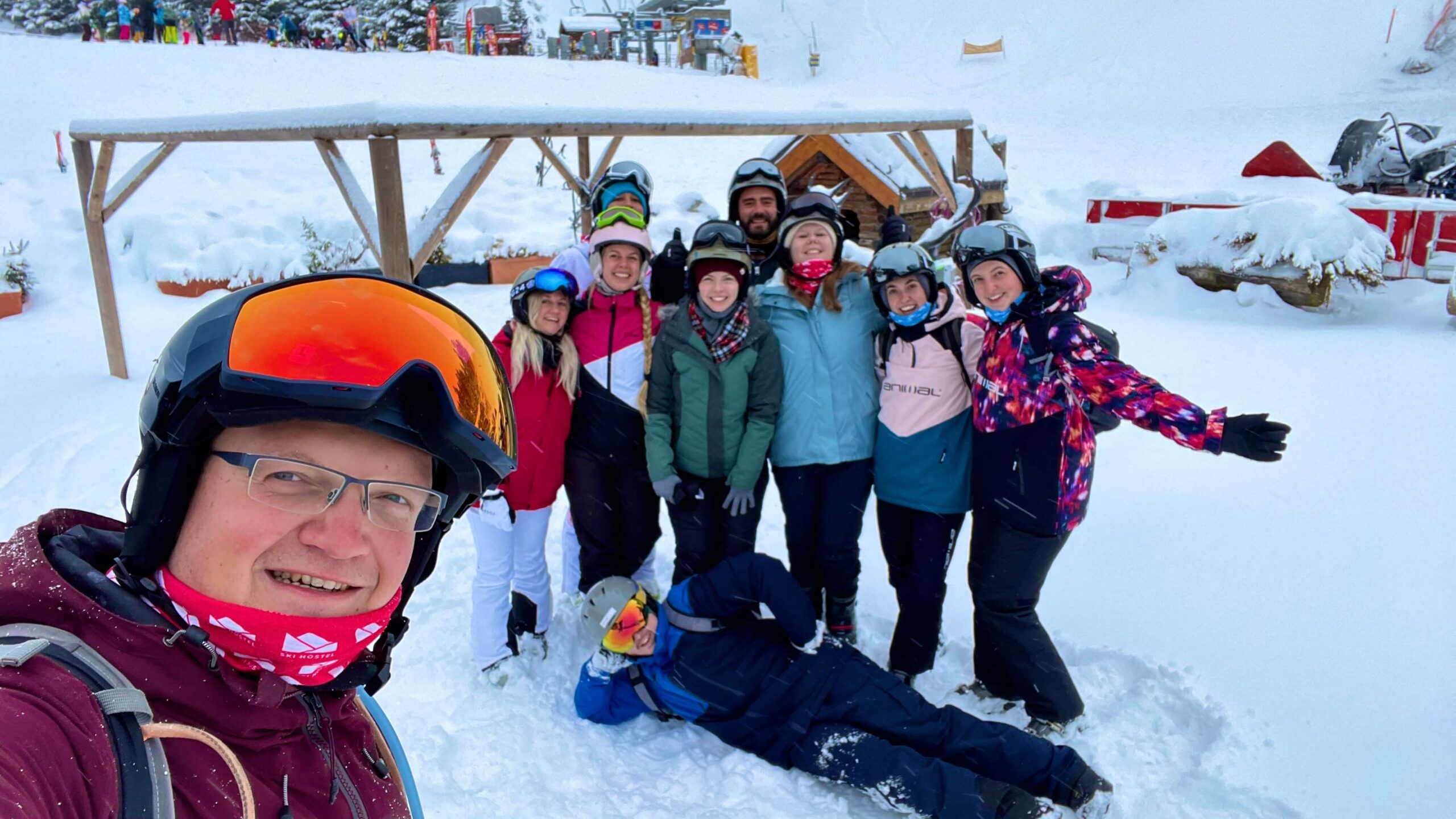
Your network becomes a web across continents. And each thread is a person who chose to know you.
Conclusion: your global network awaits
So here’s the truth: the time to find friends is not when you arrive. It’s now.
While your suitcase is still in the closet. While you’re scrolling through flight options.
By weaving together online communities, digital local connections, and strategic planning, you enhance your travel experience before it even begins. You turn a trip into a homecoming.

Start today. Post in a forum. Send that DM. Suggest that coffee.
The worst that happens? A few ignored messages.
The best? You land in a foreign country and someone waves. They’re not strangers. They’re a friend you already know. And that? That changes everything.