There’s something about seeing animals in the wild that stays with children long after they’ve come home. That moment when they first spot elephants wandering across the plains, or watch a lioness with her cubs, or see giraffes stretching up to reach the leaves – these things don’t just fade away like most holiday memories.
| Collaborative post |
For families who want their trips to be about more than just ticking off destinations, luxury safaris give kids a chance to connect with nature in ways that books, documentaries, or even zoo visits just can’t quite manage.
Learning to actually wait for things
One of the first things kids learn on safari is patience, which let’s face it, isn’t their strong suit normally. Wildlife doesn’t show up on demand.

You might sit there for ages, and then suddenly there’s a whole herd of elephants heading to a watering hole, or a cheetah creeping through the grass.
This kind of waiting teaches children something valuable about being still and actually paying attention. It’s the complete opposite of instant everything – theme parks, phones, tablets.
Kids pick up pretty quickly that the really good stuff often needs you to be quiet, calm, and properly observant. They build focus without anyone having to nag them about it.
The questions never stop
A safari turns into one giant Q&A session. Children fire off questions constantly: “Why is that giraffe’s neck so long?” “How do lions find zebras?”

These lead to proper learning about how ecosystems work, why animals behave the way they do, and how everything in nature connects.
Safari guides love sharing fascinating stuff about what different animals actually do. Why predators are essential for balance. How even tiny creatures play important roles.
Children absorb all this just by watching and chatting rather than sitting in a classroom. That’s why it sticks – it feels real because it is real.
Actually respecting nature
When you see animals living their actual lives – not behind glass – it changes how you think about them. On safari, wildlife wanders freely, does what it wants, lives how it’s meant to.

Kids start to get that these animals aren’t there for us. They’re just getting on with being animals.
This naturally creates empathy and a sense of wanting to look after things. Children begin to understand why protecting wild places matters.
Staying on paths, keeping voices down, not bothering the animals – these things start to make sense as respect rather than just rules.
Stories and shared moments
Kids come back from safaris with brilliant stories. They’ll go on about the bits that really got them – a baby elephant playing in mud, a leopard climbing a tree, a meerkat standing guard.

These stories become part of how they see the world, building their imagination and communication skills.
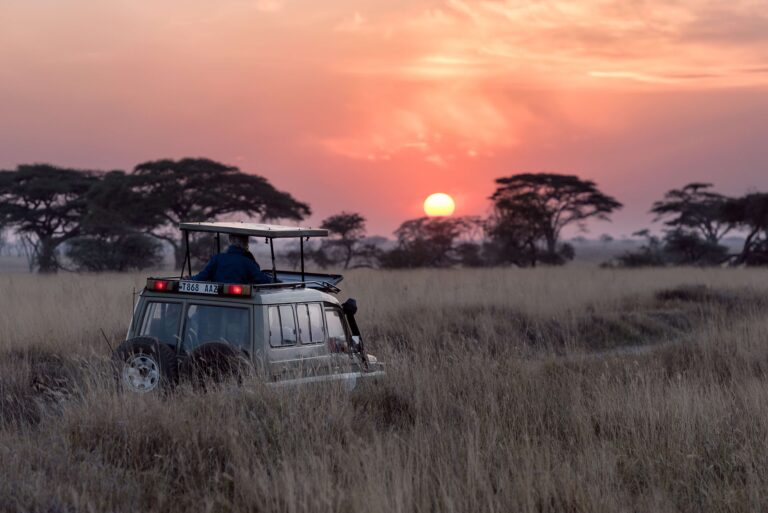
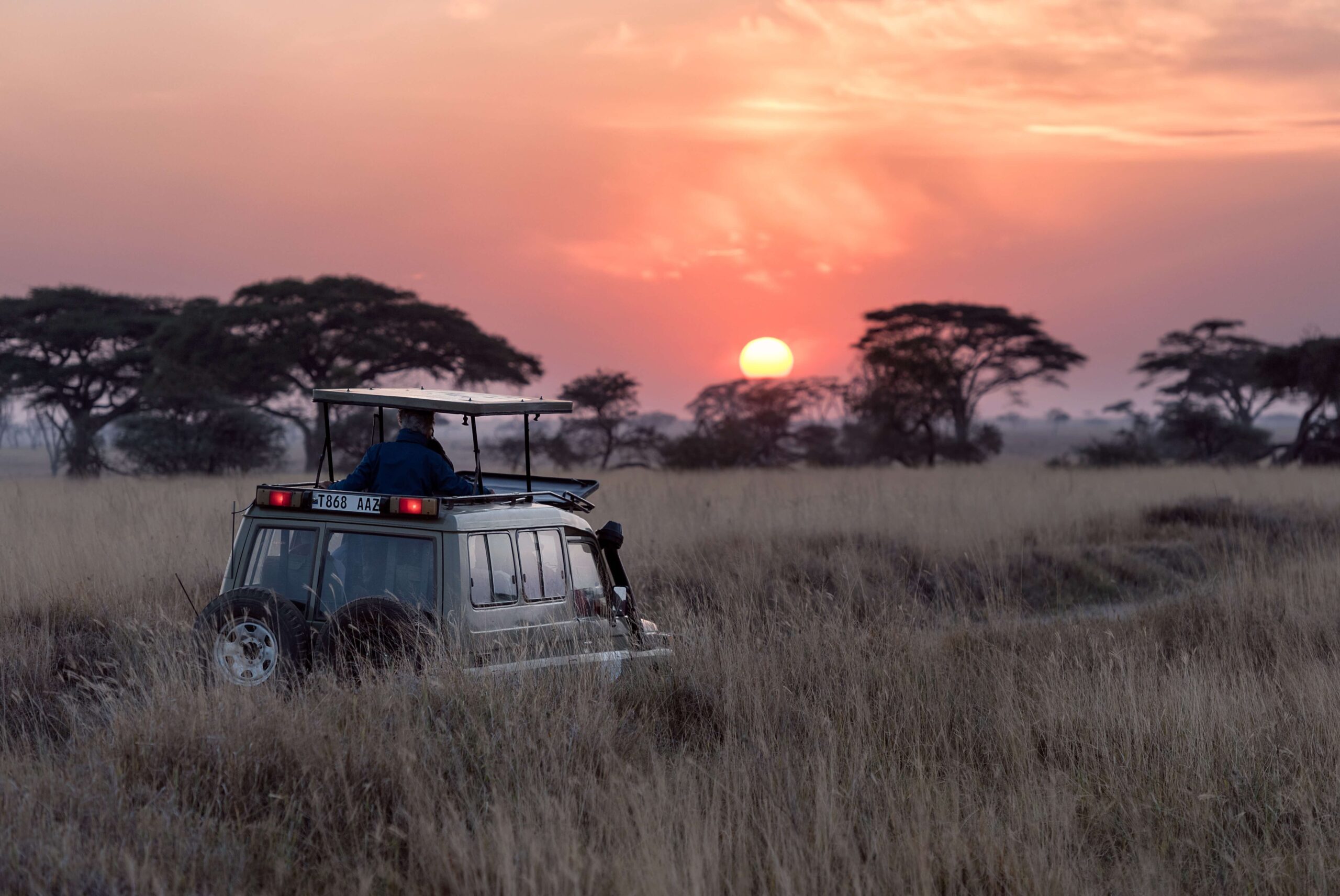
There’s something lovely about the whole family seeing these things together too. Watching lions or marvelling at sunset over the savannah – these shared moments create connections.
Often these memories stay incredibly vivid for years, shaping how kids think about nature as they grow.
Getting good at noticing things
On safari, children become surprisingly observant. They learn to spot patterns, track movements, and recognise species.

They might compare footprints, figure out behaviours, notice seasonal changes.
This gets them thinking differently. They’re not just learning facts, they’re working things out from what they see, making connections, and understanding cause and effect in real time.
The skills they pick up – noticing details, analysing, reasoning – help with pretty much everything else in life too.
Slowing down and being present
Safari life naturally makes you slow down. Early mornings with mist over the plains. The quiet by a riverbank. Night sounds from unseen animals.

All of this encourages kids to just be present. Watching wildlife gets them using all their senses, making them more aware of what’s around them.
Kids quickly realise that nature has its own pace. They start to enjoy quiet moments, spot tiny details, find beauty in things they might have walked straight past before.
This often stays with them, helping them appreciate nature in other places too.
Conservation that means something
Safaris can genuinely fire up young imaginations. The massive landscapes, the variety of animals, how complex it all is – it creates wonder.

Kids often become fascinated by conservation, getting that protecting these animals actually matters.
Sometimes this inspiration goes somewhere. Children come back wanting to learn more, get involved in environmental projects, or speak up for conservation.
The experience creates a personal connection to the world beyond their immediate bubble.
Memories that actually last
Maybe what matters most is the memories. Watching lion cubs play. Seeing a giraffe awkwardly bend down to drink. Just taking in those vast, open spaces.

These experiences leave a proper mark. They don’t fade like most holiday memories. They become touchstones for curiosity, empathy, and understanding.
Family stories, photos, memories from the safari – they keep inspiring and teaching long after you’re home. The mix of adventure, comfort, and real learning creates something that shapes kids, helping them grow in both knowledge and character.
Safaris teach children about watching carefully, asking questions, being patient, and respecting nature. By seeing wildlife just getting on with life, kids develop a connection that’s both educational and personal.
These experiences encourage mindfulness and thinking things through, while creating memories that genuinely stick.
For families wanting to combine travel, learning, and outdoor adventure in a meaningful way, a safari is a brilliant choice for inspiring children, feeding their curiosity, and helping them appreciate just how incredible life on this planet really is.