Visiting UNESCO World Heritage Sites gives you guaranteed historical value, stunning architecture, and rich cultural experiences across the globe. As of 2026, UNESCO protects over 1,200 designated locations worldwide that define human history.
| Sponsored post |
Looking at visitor numbers and site data helps you pick the most rewarding destinations for your next trip.
Exploring these historical wonders gives you a deep appreciation for human history and ancient architecture. Many busy students pay for research paper assistance to manage heavy coursework so they can take time to travel.
Experiencing these iconic landmarks in person offers hands-on lessons no textbook can ever match.
Choosing the right historical location helps you maximise your vacation budget and travel time. This guide breaks down five world-class heritage landmarks using real visitor statistics and practical travel details.
Entry fees and visitor volume for iconic heritage sites
| Site name | Country | Inscription year | Annual visitors | Base ticket cost |
| Taj Mahal | India | 1983 | 6.5 million | $13 per person |
| Grand Canyon | United States | 1979 | 4.7 million | $35 per vehicle |
| Machu Picchu | Peru | 1983 | 1.5 million | $45 per person |
| Angkor Wat | Cambodia | 1992 | 2.6 million | $37 per person |
| Petra | Jordan | 1985 | 1.1 million | $70 per person |
Source note: Data compiled from UNESCO World Heritage Centre, National Park Service, and official tourism authority reports.
Exploring the cultural legacy of the Taj Mahal in India
India’s Taj Mahal stands as a masterwork of 17th-century Mughal architecture, offering world-famous marble craftsmanship and deep historical value. Over six million global travellers visit each year to see its iconic white marble dome in person.
Its incredible craftsmanship makes this monument an essential stop when comparing the best travel destinations for your next trip.
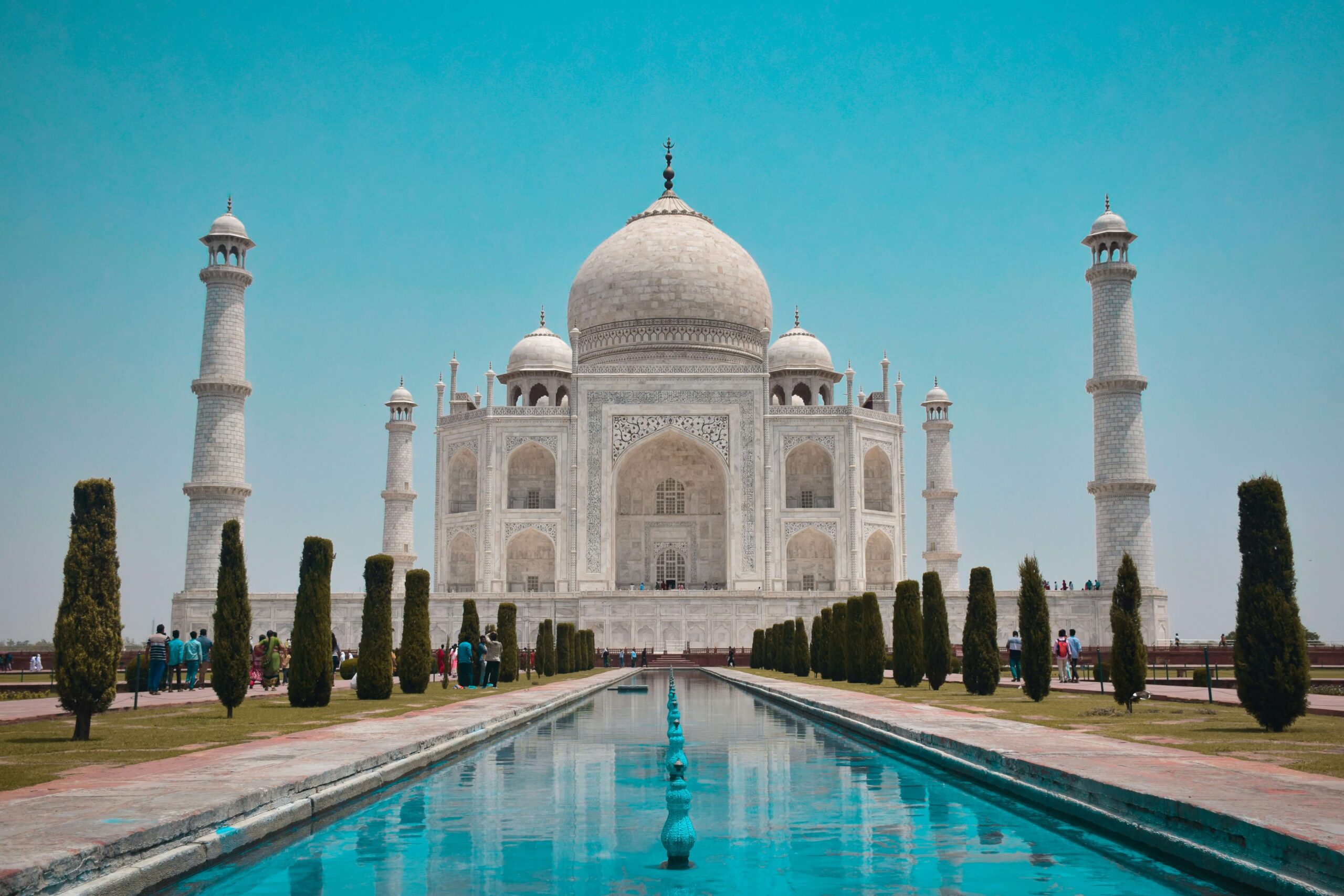
The intricate marble inlay work features semi-precious stones that reflect the changing colours of the sky. Visiting at sunrise provides the best lighting for photography and helps you avoid the severe midday heat.
The reflection pools leading up to the main structure create a perfectly symmetrical visual experience.
You can prepare for your India trip by packing these essentials:
- Lightweight cotton clothing
- Comfortable walking shoes
- Reusable water bottle
- Compact umbrella
Uncovering natural wonders in North America
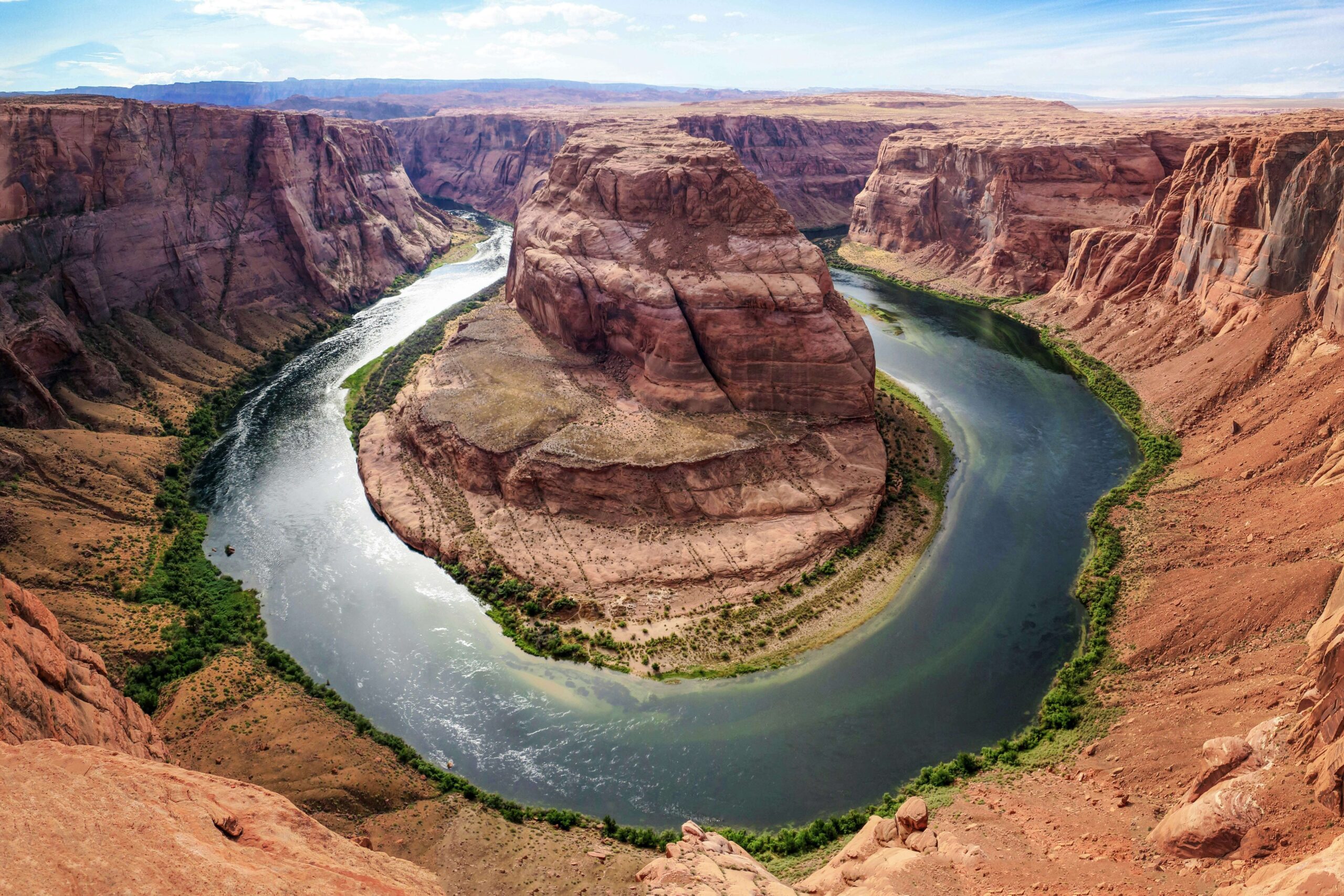
The Grand Canyon National Park provides unmatched geological history and dramatic landscapes that span over 1.2 million acres. Formed over millions of years by the Colorado River, the canyon exposes intricate layers of ancient rock.
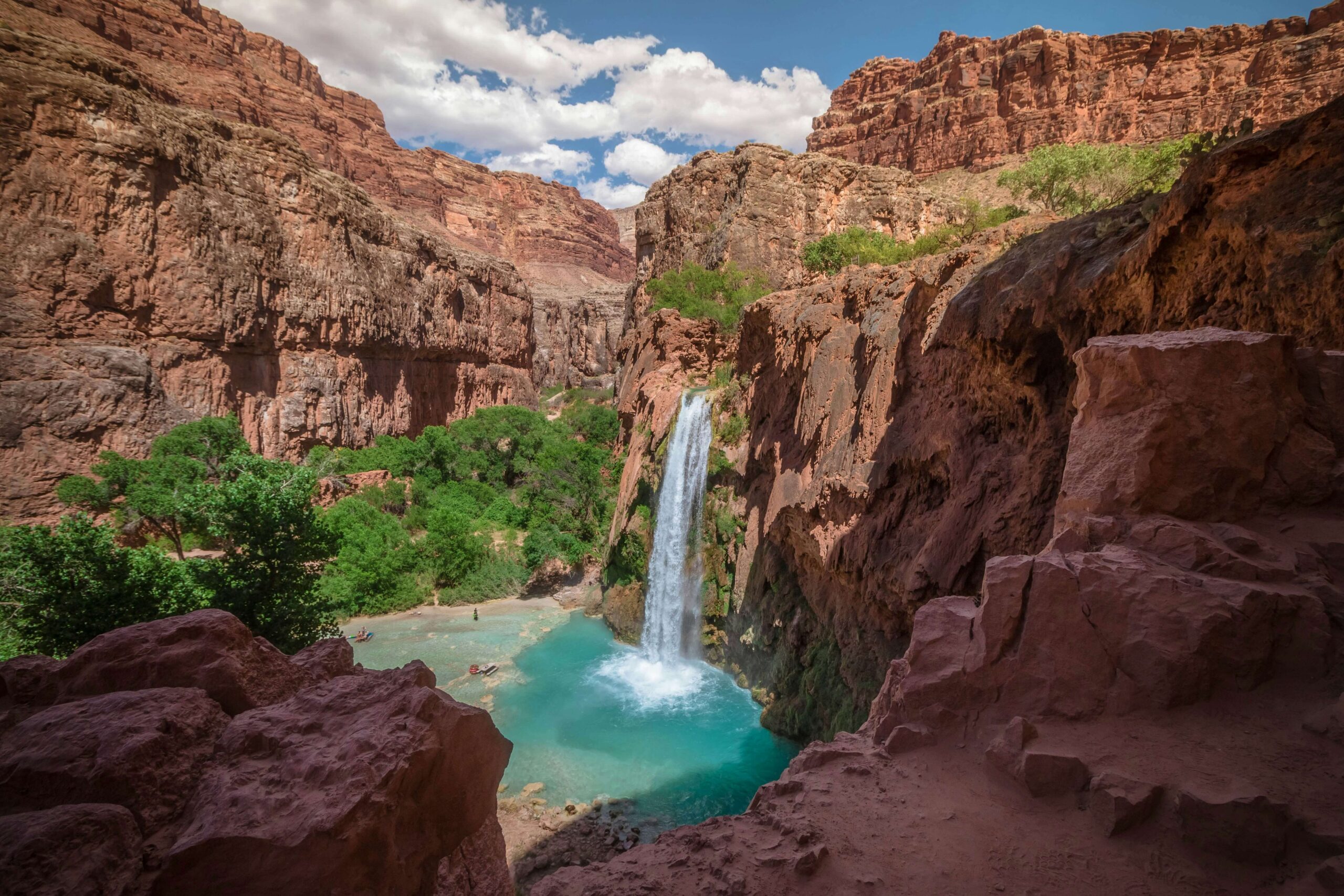
Ranking high among the best US travel destinations, this site welcomes nearly five million visitors each year.
Visitors can hike down the Bright Angel Trail or view the colourful canyon walls from Desert View Drive. Watching the sunset over the rim gives you a firsthand look at North America’s greatest natural treasure.
Wildlife enthusiasts frequently spot elk, California condors, and bighorn sheep roaming near the canyon edges.
Staying inside the park requires booking lodge rooms or campground spots nearly a year in advance. The South Rim remains open year-round, while the North Rim closes during the harsh winter months.
Area and elevation features of major North American national parks
| Park name | Area in acres | Maximum elevation change | Primary outdoor activity |
| Grand Canyon | 1,217,403 | 5,000 feet | Rim hiking |
| Rocky Mountain | 265,800 | 6,400 feet | Alpine climbing |
| Zion | 147,242 | 4,800 feet | Canyoneering |
Source note: Figures sourced from National Park Service public land statistics.
Trekking ancient ruins in South America
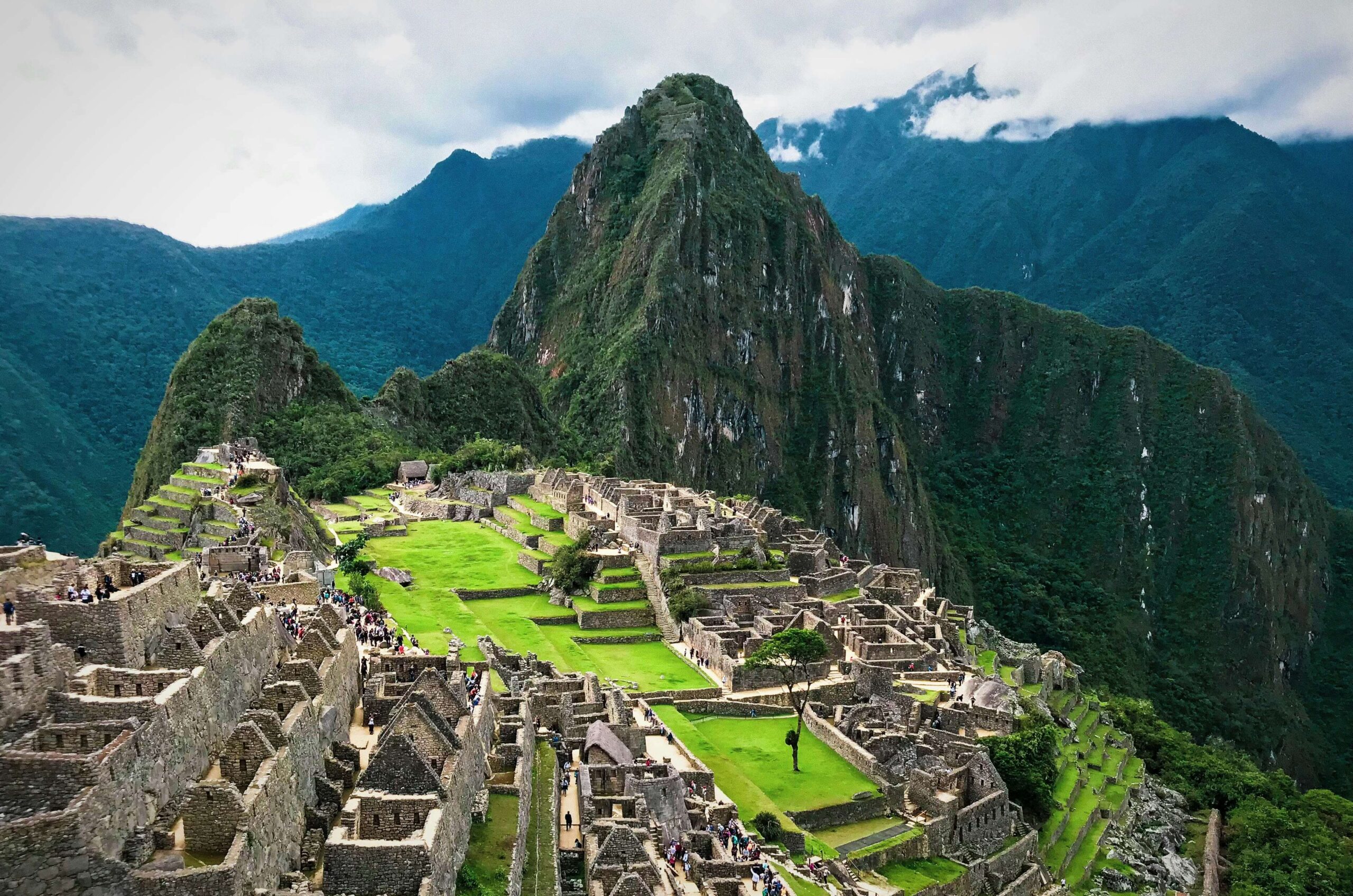
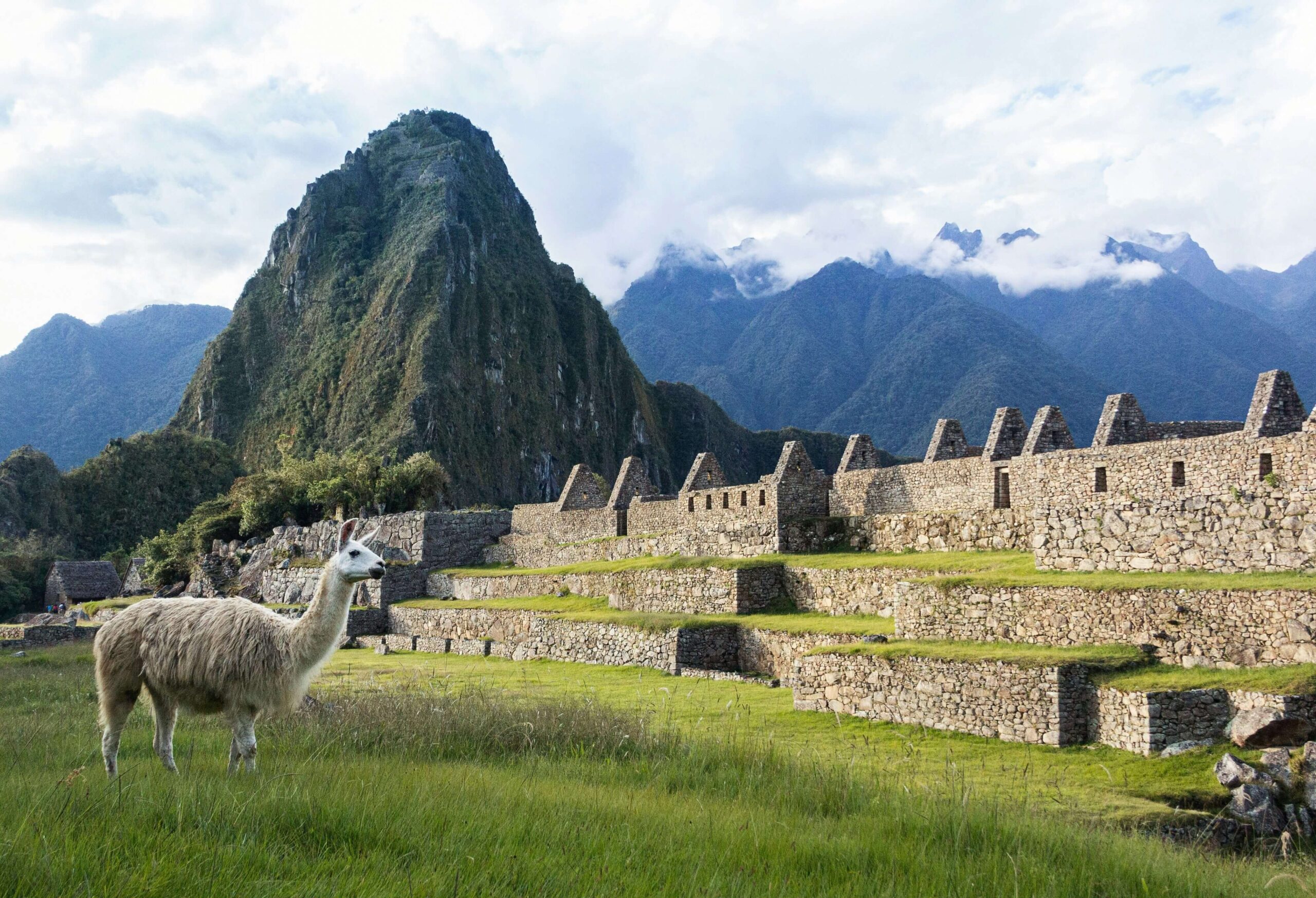
High-altitude hiking trails and ancient mountain citadels create ideal conditions for active global travellers. Machu Picchu sits nearly 8,000 feet above sea level in the Andes Mountains of Peru.
This 15th-century Inca citadel features precision stone masonry built entirely without modern mortar.
Thrill-seekers consider South American ruins some of the best adventure travel destinations for multi-day mountain trekking. Reaching the famous Sun Gate after four days on the Inca Trail delivers an incredible sense of achievement.
The surrounding cloud forest ecosystem supports diverse wildlife, including hundreds of exotic bird species and rare orchids.
To complete a high-altitude mountain trek safely, keep these step-by-step rules in mind:
- Spend two full days in Cusco to acclimate your body to the high altitude before starting your hike.
- Drink at least three litres of water daily and carry electrolyte packets to prevent dehydration.
- Secure your Inca Trail trekking permits at least six months in advance due to strict daily trail limits.
Finding affordable historical sites in developing nations
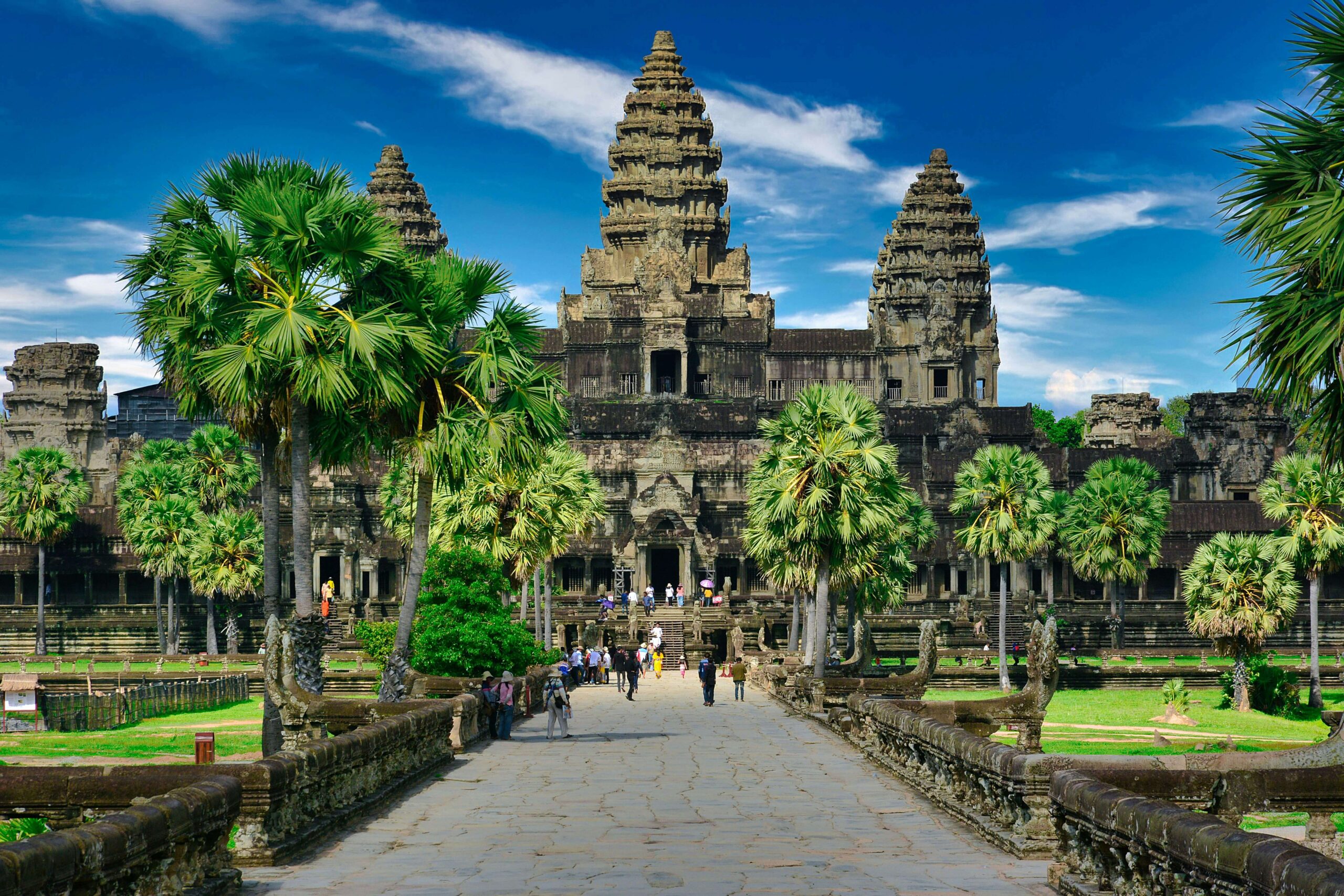
Visiting Cambodia’s historic Angkor Wat temple complex allows you to experience world-class heritage on a daily budget of under $45. Ancient wonders in developing countries feature low daily living costs alongside reasonable entry fees.
Searching for the best budget travel destinations helps you stretch your vacation fund across multiple weeks.
In 2026, backpackers in Cambodia can find comfortable guesthouse rooms near Angkor Wat for under $25 per night. Inexpensive street food and low-cost local transport make long-term historical exploration genuinely affordable.
A multi-day temple pass offers incredible value for exploring a 400-square-kilometre archaeological park.
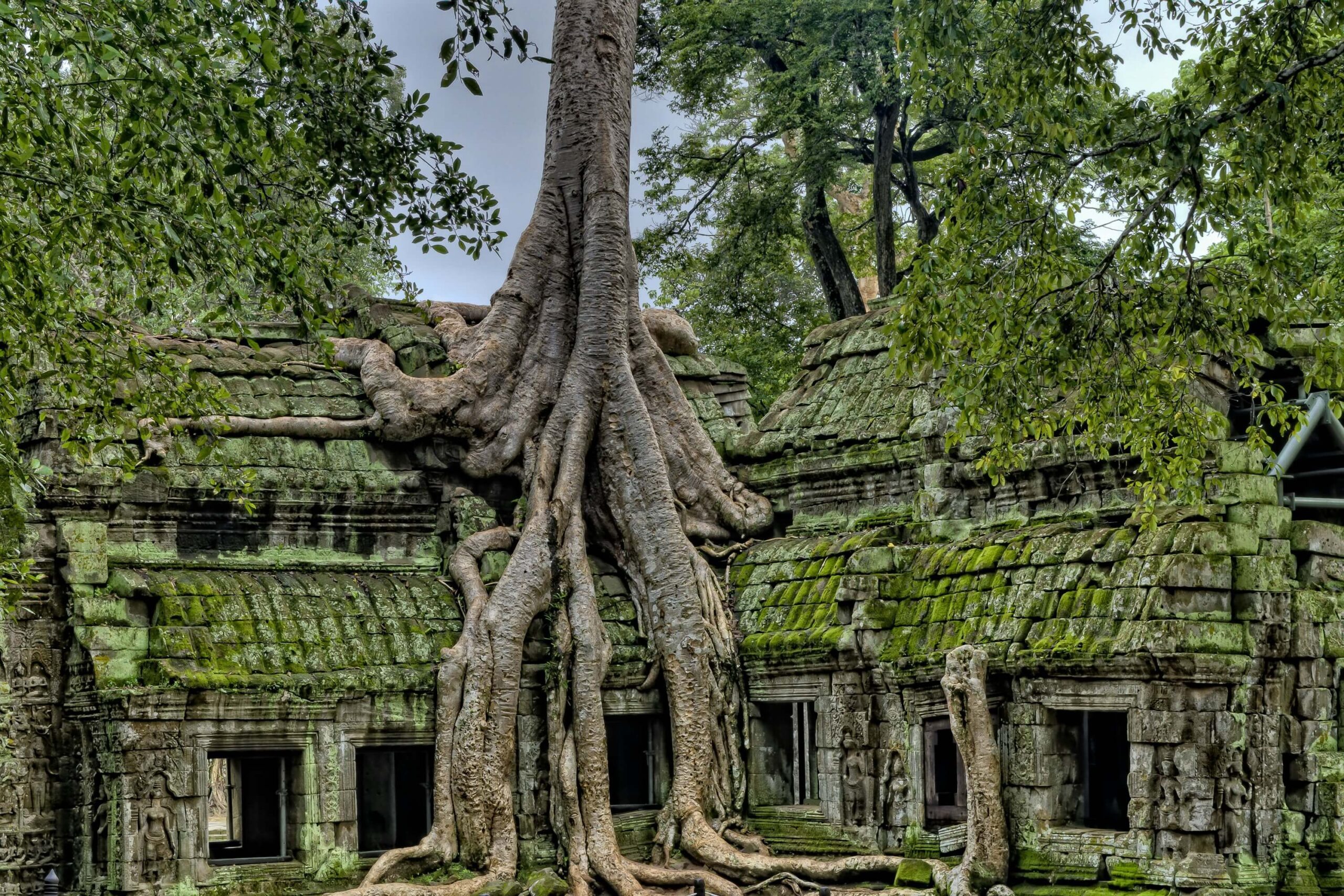
Renting a bicycle or hiring a local tuk-tuk driver provides cheap and reliable transportation between the distant temple ruins. Taking time to explore the jungle-covered ruins of Ta Prohm shows you how nature slowly reclaims ancient stone structures.
Average daily budget breakdown for heritage site visits
| Destination site | Daily lodging | Meal cost | Local transport | Total daily budget |
| Angkor Wat (Cambodia) | $22 | $12 | $8 | $42 |
| Taj Mahal (India) | $25 | $10 | $6 | $41 |
| Petra (Jordan) | $55 | $25 | $20 | $100 |
Source note: Budget averages compiled from global travel expense index reports.
Planning your desert expedition to Petra in Jordan
Planning a desert expedition to Petra requires early ticket reservations and shoulder-season timing to comfortably navigate Jordan’s ancient canyon trails. Petra features entire temples carved directly into towering red sandstone cliffs by the ancient Nabataeans.
Walking through the narrow Siq gorge reveals the breathtaking Treasury building at the very end of the rocky trail.
Checking official heritage websites helps you avoid unexpected maintenance closures or severe weather delays. Choosing among the best travel destinations becomes simple when you focus on protected, well-managed heritage sites.
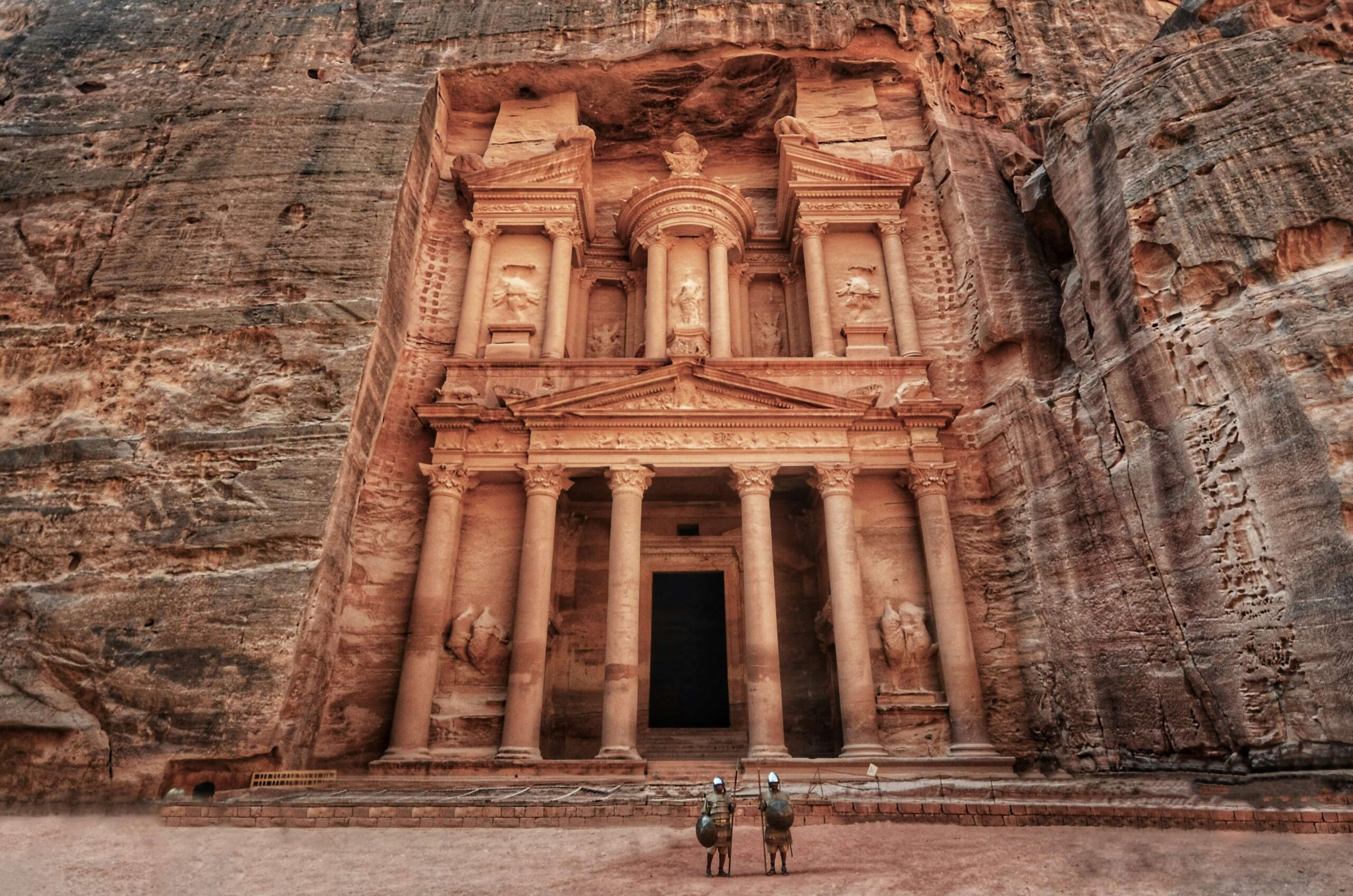
Exploring the massive Royal Tombs offers a glimpse into the wealth and architectural skill of this ancient trading hub.
Follow these practical steps to avoid heavy crowds:
- Reserve early morning entry slots to arrive at the site entrance right when the gates open at dawn.
- Schedule your holiday during shoulder seasons like October or April to avoid peak season crowds.
- Hire a licensed local guide at the main gate to learn accurate historical facts during your tour.
Seasonal climate data for top UNESCO locations
| UNESCO site | Busiest tourist season | Recommended shoulder month | Average peak season temp |
| Taj Mahal | October to March | February | 75°F |
| Grand Canyon | June to August | September | 85°F |
| Machu Picchu | June to August | May | 68°F |
| Angkor Wat | November to February | April | 88°F |
| Petra | March to May | October | 75°F |
Source note: Climate data adapted from national meteorological service records.
Whichever historic landmark you choose to visit, booking early entry tickets and securing authorised permits in advance ensures a smooth trip. Focusing on protected heritage sites guarantees an enriching experience that combines world-class architecture with rich global history.
Pick the destination that aligns with your budget and travel style to start planning your adventure.