
Escaping the sweltering heat requires booking destinations that consistently stay below 21ºC (70°F) during the summer months. Finding cool-weather escapes gives you the freedom to hike, explore, and relax without suffering through intense heat or humidity.
| Sponsored post |
You can finally enjoy outdoor activities without constantly seeking out blasting air conditioning.
Choosing northern hemisphere latitudes or southern hemisphere winters guarantees refreshing daily temperatures for your 2026 holiday. Many university students get college essay services with us to free up their academic schedules before booking these refreshing chilly getaways.
Having extra free time allows you to thoroughly plan an incredible cold-weather itinerary.

Figuring out exactly where to travel in the summer comes down to balancing flight costs against your desired climate. Escaping a heatwave usually means targeting regions with specific climate advantages:
- High-latitude Arctic islands
- Southern Hemisphere winter zones
- High-altitude alpine chains
- Maritime coastal highlands
Iceland
Booking a trip to Iceland guarantees daily highs around 13°C (55°F), making it the ultimate destination for comfortable summer glacier hiking and cool-weather sightseeing. The crisp, clean air feels incredibly refreshing while you explore massive ice caves and towering waterfalls.
You can easily spend twelve hours outside without ever breaking a sweat.
Driving the famous Golden Circle route takes you past erupting geysers and deep tectonic rifts. Because the weather stays mild, you can hike between these geological wonders without the exhaustion of a mid-summer heatwave.

Soaking in the Blue Lagoon geothermal spa is much more enjoyable when the outside air is brisk and cool.
Visiting during July also means you get to experience nearly 19 hours of daylight for late-night sightseeing. With this endless sunlight, you can visit massive landmarks like the Skógafoss waterfall late into the evening.
Standing near its base provides a freezing mist that cools you down instantly after a long day of driving.
Estimated flight durations to Reykjavik from major international hubs
| Departure city | Arrival airport code | Direct flight time | Airline category |
| New York City | KEF | 5 hours 30 minutes | Major commercial |
| London | KEF | 3 hours 10 minutes | Budget carrier |
| Toronto | KEF | 5 hours 45 minutes | Major commercial |
Source note: Flight durations based on standard international airline schedules.

Scotland
Scotland’s Isle of Skye offers dramatic coastal cliffs and average temperatures of 16°C (60°F), perfectly solving the puzzle of where to travel in Europe in summer to avoid southern heatwaves. The persistent cloud cover and cooling Atlantic breezes keep this rugged terrain perfectly chilled throughout the entire summer.
Walking through the famous Fairy Pools requires a thick sweater even in mid-August.
Exploring medieval Scottish castles feels much more authentic when the weather is misty and cool. You can hike up the steep trails of the Old Man of Storr without the exhaustion that comes from hiking in the blistering sun.
The moody weather creates the perfect backdrop for stunning, dramatic landscape photography.
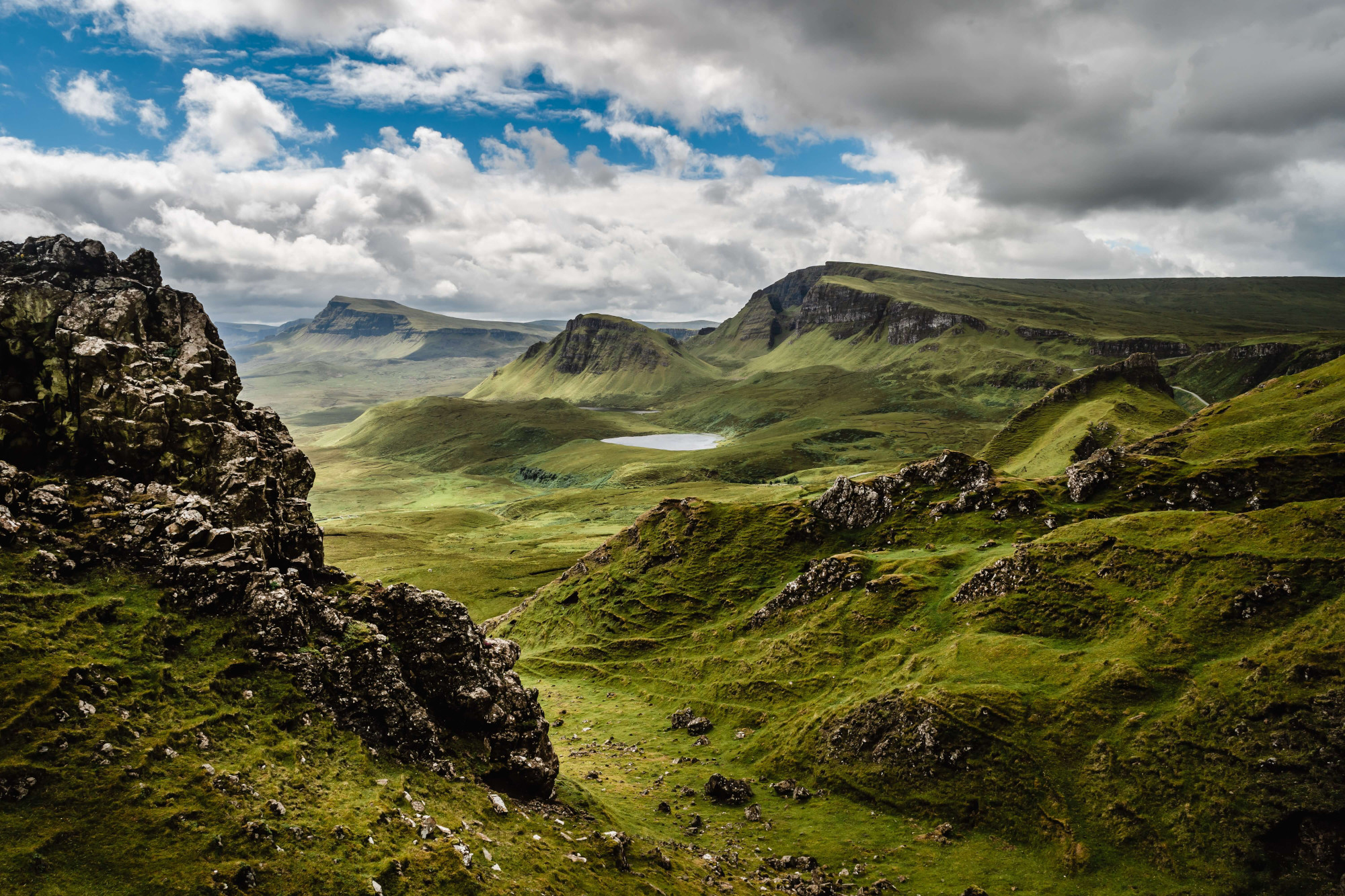
To reach these remote photography spots, you will need to rent a car and navigate the rural landscape. Follow these driving rules to navigate the narrow Highland roads safely:
- Yield to oncoming traffic at designated single-track passing places along rural island roads.
- Keep your headlights turned on low beam continuously during heavy coastal fog patches.
- Pull over into left-hand turnout spots to let faster local drivers pass you safely.
After a long day of driving on the moors, you can retreat to a traditional local pub for a warm meal. The hearty Scottish cuisine tastes much better when you are trying to warm up from a chilly coastal wind.
Canada
Banff National Park in Canada provides high-altitude alpine relief with average July highs of 20°C (68°F), offering spectacular views of turquoise glacial lakes without heavy humidity. The thick pine forests and massive ice fields naturally cool the surrounding mountain valleys.
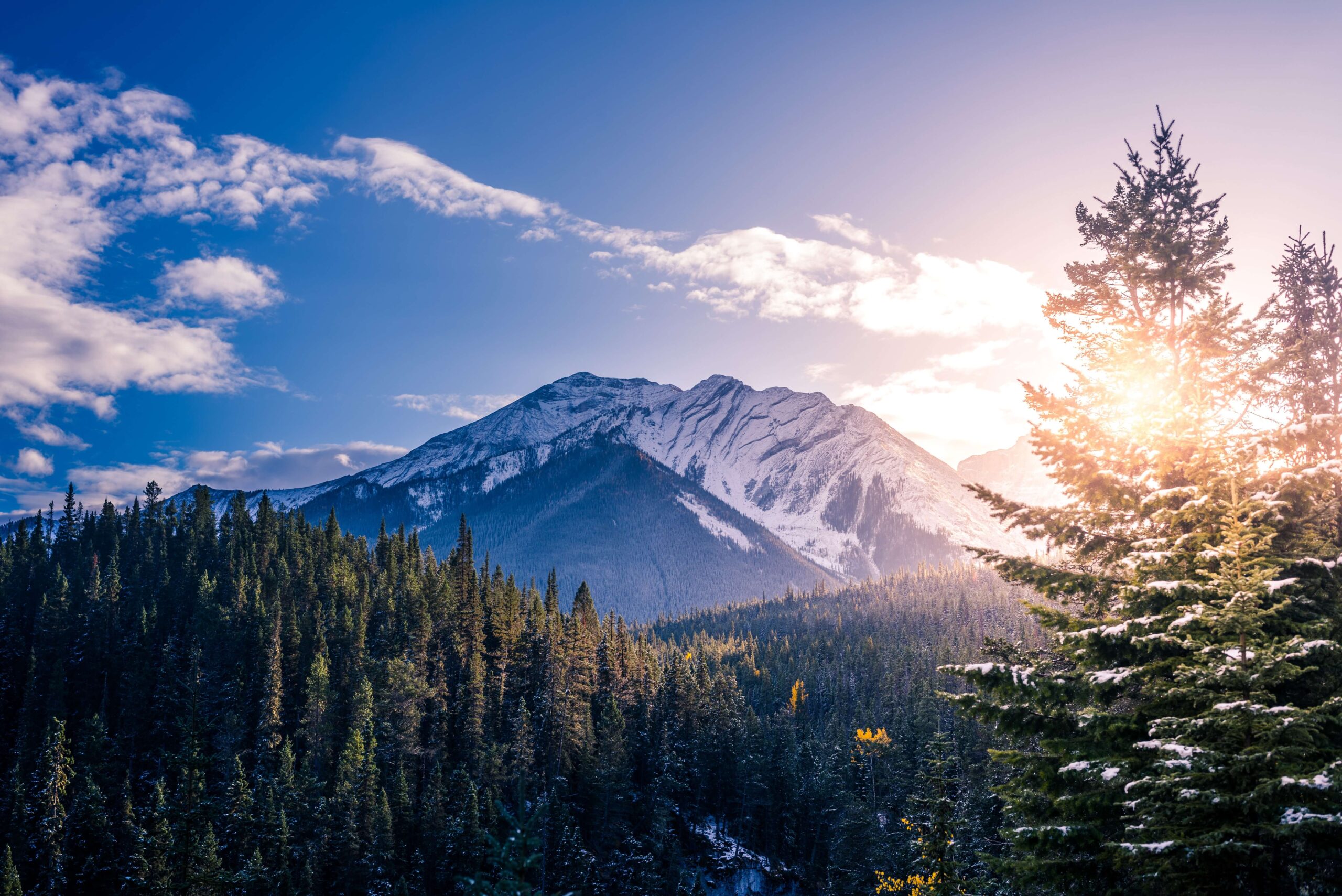
When researching where to travel in summer 2026, this region offers unparalleled access to North America’s most pristine wilderness.
Renting a canoe on Lake Louise allows you to glide across freezing glacier water while enjoying the cool mountain breeze. The high elevation keeps the mornings frosty, so you can enjoy hot coffee while watching the sunrise over the snowy peaks.
Because the summer temperatures remain moderate compared to southern deserts, bears and elk stay active throughout the middle of the day.
You can prepare for chilly Canadian mountain evenings by packing these essential items:
- Thermal fleece sweater
- Waterproof rain jacket
- Heavy wool socks
- Sturdy hiking boots
Once you pack the right gear, you can comfortably embark on a multi-day road trip through the rocky terrain. The Icefields Parkway offers one of the most scenic drives in the world, taking you past dozens of ancient glaciers.
Pulling over at the designated viewpoints gives you plenty of space to capture incredible panoramic photos of the rocky valleys.
New Zealand
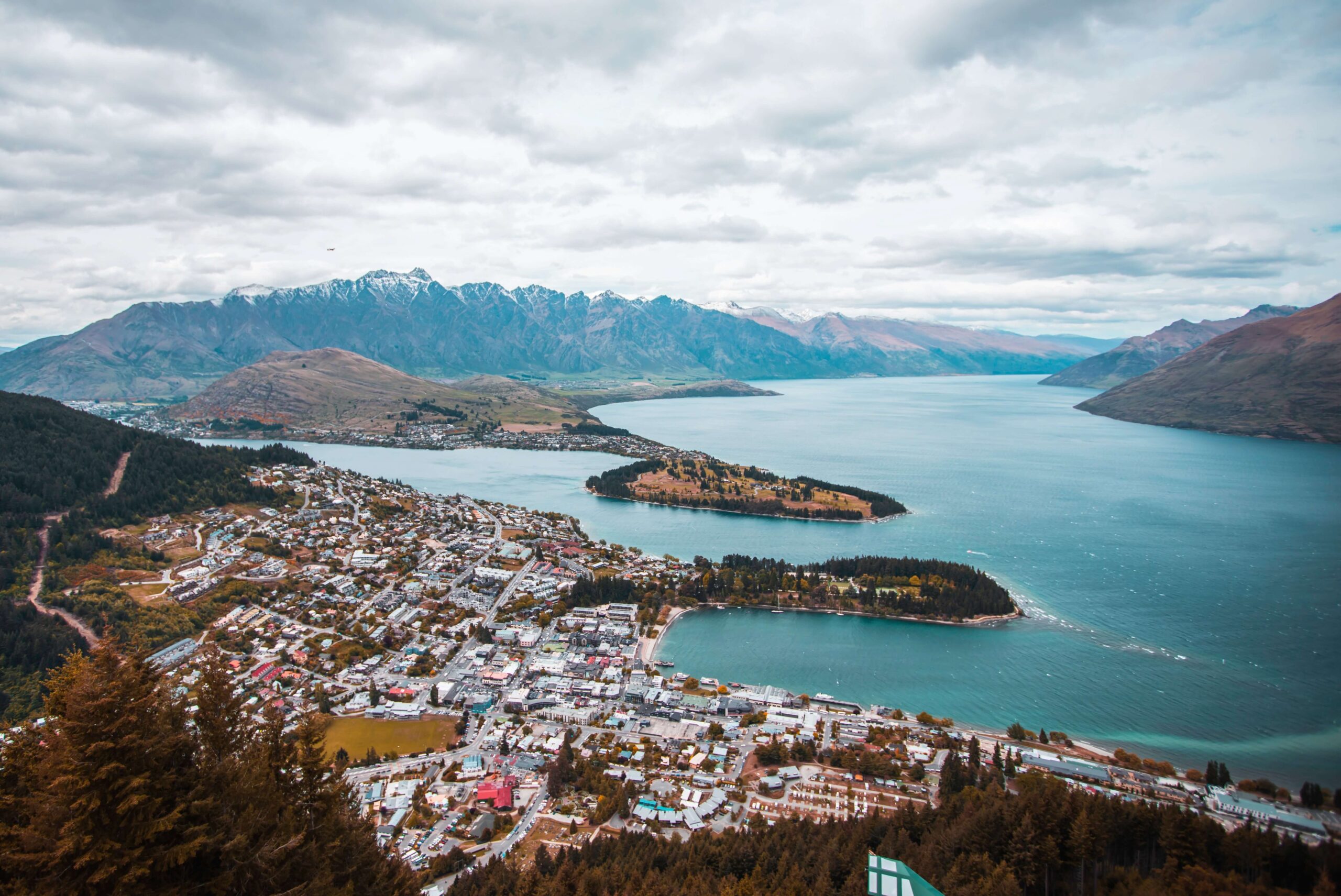
Travelling to Queenstown in New Zealand during July drops you directly into the Southern Hemisphere’s winter, delivering snowy 42°F days that are ideal for mountain skiing. Escaping northern heatwaves by flying south offers a complete seasonal reset.
The Remarkables mountain range provides world-class snowboarding just a short drive from the city centre.
After a long day on the snowy slopes, you can warm up beside a roaring fire in a cosy alpine lodge. The crisp winter air makes extreme sports like bungee jumping and jet boating feel even more exhilarating.
Queenstown also offers incredible indoor entertainment for days when winter storms become intense.
Estimated daily costs for Queenstown winter exploration
| Expense category | Average cost in USD | What is included in the price |
| Lift pass | $95.00 | Full day mountain access |
| Mid-range lodging | $210.00 | Standard hotel room near city center |
| Food and dining | $85.00 | Three casual restaurant meals |
Source note: Budget averages compiled from global travel expense index reports.
Local restaurants serve incredible lamb dishes that perfectly compliment the freezing outdoor temperatures. If you want a break from skiing, taking a scenic helicopter flight over the Milford Sound reveals deep fjords that look spectacular when dusted with fresh winter snow.
Norway
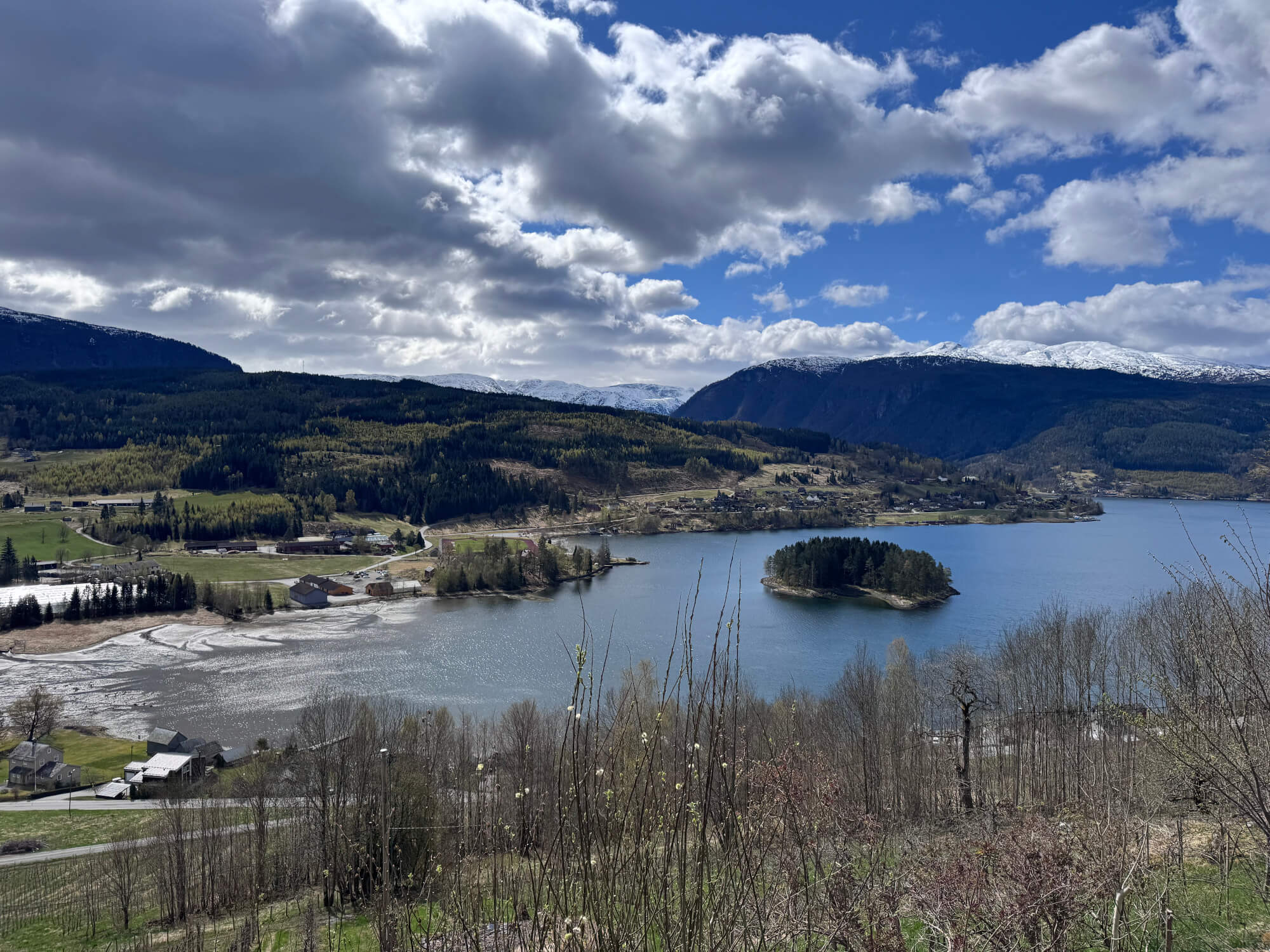
Svalbard in Norway sits just 650 miles from the North Pole, keeping summer temperatures at a chilly 7°C (44°F) while the midnight sun shines 24 hours a day. This high-Arctic destination gives you the unique chance to spot wild polar bears grazing on the tundra.
The pristine, untouched snowy landscapes make you feel like you have stepped onto another planet entirely.
Taking a boat tour around the massive glaciers lets you witness chunks of blue ice crashing into the freezing ocean. The endless daylight means you can schedule thrilling activities like driving a dog sled across the snowy valleys at any hour.
Average daily sunlight and temperature breakdown for Svalbard
| Month | Average daily high | Average daily low | Daily sunlight hours |
| June | 4°C (39°F) | 1°C (34°F) | 24 hours |
| July | 7°C (44°F) | 3°C (38°F) | 24 hours |
| August | 6°C (42°F) | 2°C (36°F) | 24 hours |
| September | 1°C (34°F) | -2°C (28°F) | 14 hours |
Source note: Climate data adapted from the Norwegian Meteorological Institute.
To explore this Arctic territory safely, follow these expedition guidelines:
- Hire an authorised local guide to lead all excursions outside the main town limits.
- Wear polar-rated outer layers to protect yourself against sudden icy coastal wind gusts.
- Use a heavy blackout sleep mask to ensure proper sleep during constant midnight sun.
Choosing your ideal cool-weather escape
Choosing the right low-heat destination depends on whether you prefer snowy Southern Hemisphere slopes, dramatic coastal moors, or Arctic glacier hiking. Selecting naturally chilled regions allows you to remain active throughout the day without experiencing heat exhaustion.
Packing heavy sweaters for a July vacation might feel strange, but the relief from scorching temperatures makes it completely worthwhile. Reviewing average climates helps you narrow down where to travel in summer for a truly refreshing break.
Trade your beach towel for a winter coat, and start designing an unforgettable cold-weather adventure.