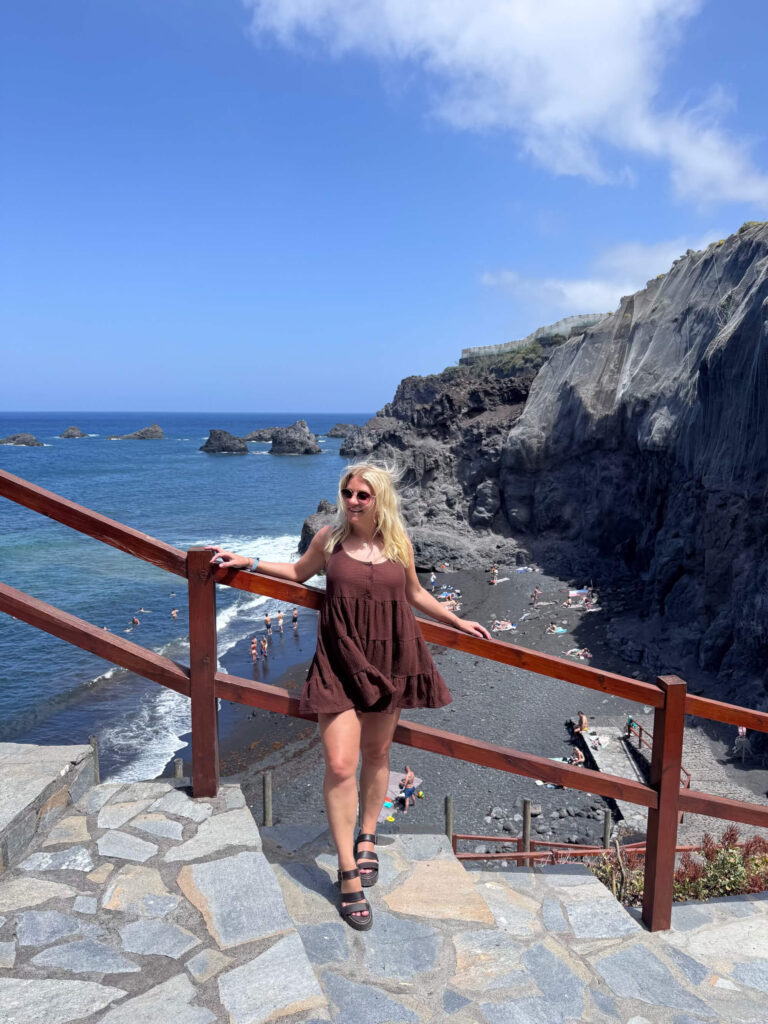
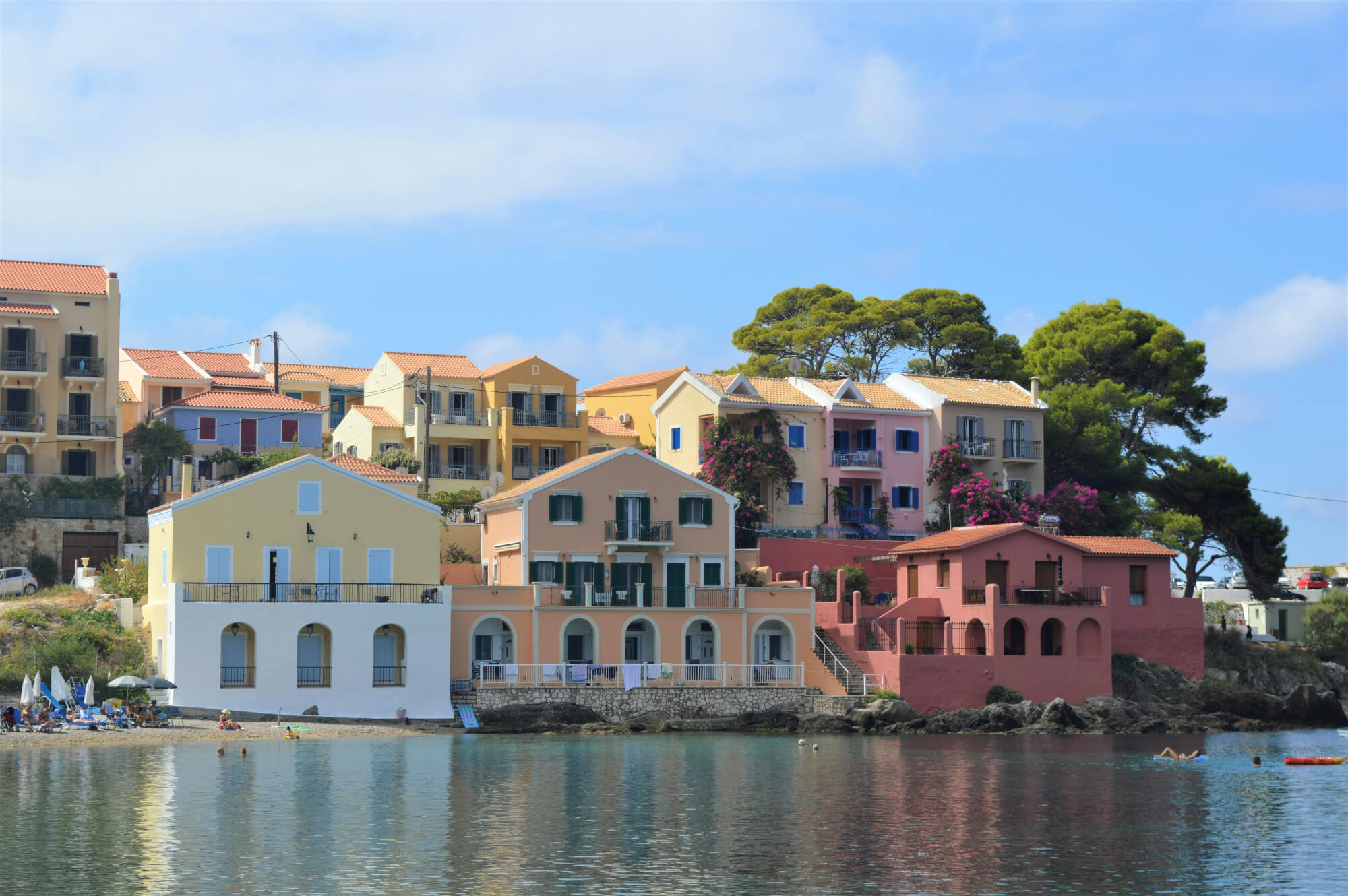
Kefalonia does not behave like a one-season island. The same beach can feel expansive and hushed in May, then animated and sun-drenched in August.
| Guest post |
Hills that glow pale gold in high summer turn unexpectedly green in spring. Harbour towns that hum in July settle into something softer by late September.
Travellers planning stays through specialists such as Ionian & Aegean Island Holidays, who curate carefully chosen villas in Kefalonia, often discover that timing shapes far more than temperature.
It shapes atmosphere. It influences pace. It determines whether evenings feel lively or languid.
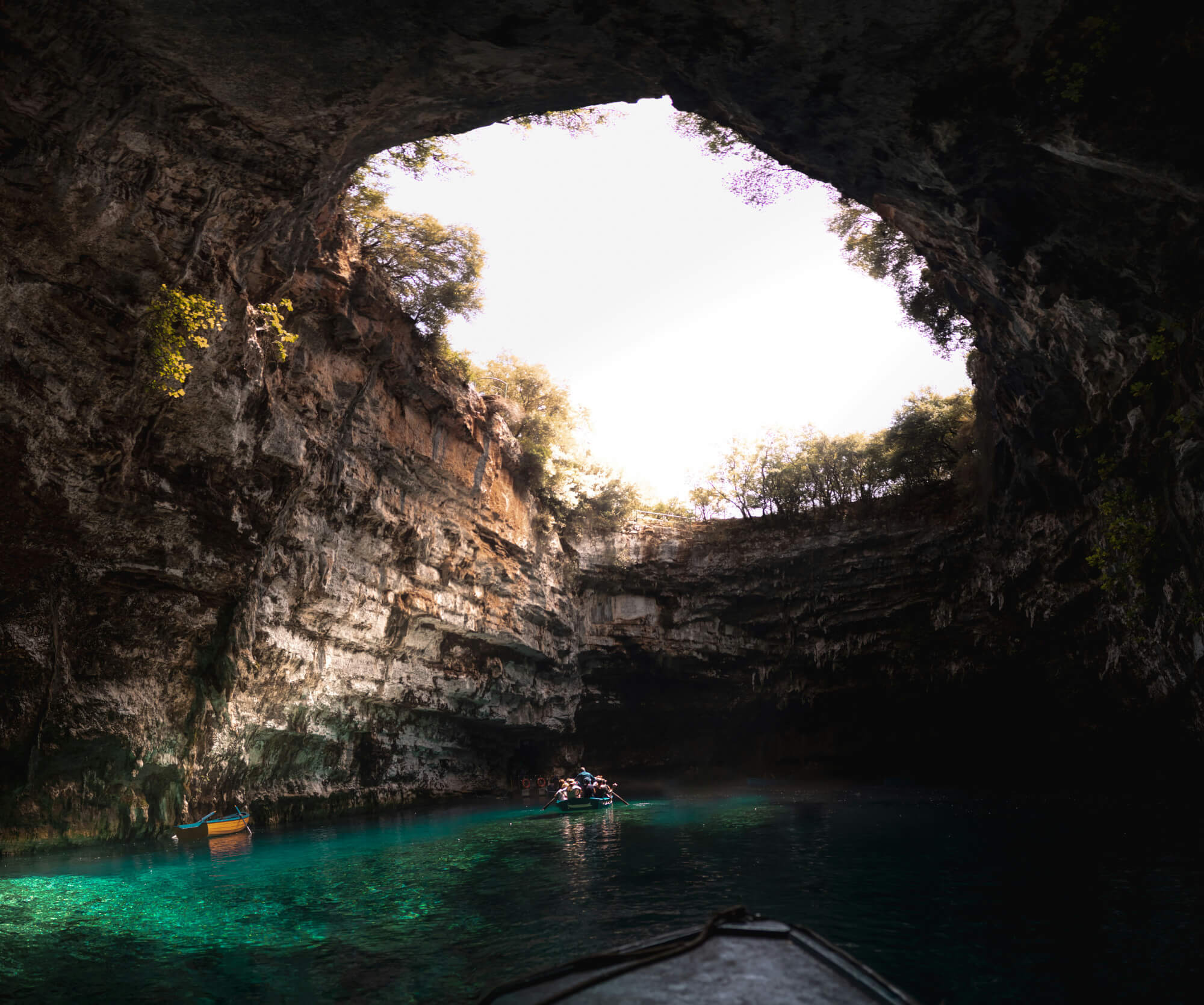
There isn’t a single “best” time to visit. There’s simply the season that aligns with what you want your holiday to feel like.
And that difference matters more than most people realise.
Understanding Kefalonia’s climate — simply
Kefalonia enjoys a Mediterranean climate: long, dry summers and relatively mild winters. Rain tends to concentrate in late autumn and winter, leaving spring fresh and green.
By early summer, the landscape dries and the sea gradually warms, peaking in late August and September and month‑by‑month averages give a clearer sense of how conditions shift through the season.
Sunshine is generous from May through to October. Sea temperatures lag slightly behind air temperatures — early May can feel bracing, while September swims feel almost indulgent.
But focusing purely on weather misses something. What shifts most noticeably isn’t just the climate. It’s the rhythm of life on the island.
Spring (April to June): light, space and clarity
Spring in Kefalonia feels quietly hopeful. By April, the island is shaking off winter. Wildflowers scatter colour across hillsides.
The countryside appears improbably green. Walking trails feel fresh rather than dusty. The air holds warmth without weight.
In May and early June, temperatures are comfortably warm, often ideal for exploring rather than simply reclining. Beaches are uncrowded. Tavernas reopen gradually, and village life resumes without urgency.
This season suits travellers who enjoy balance. Mornings might begin with coffee on a terrace overlooking olive groves, followed by a coastal walk or a drive inland. Evenings feel peaceful rather than animated.
The sea, admittedly, can still feel brisk in early spring and the very start of the season sometimes brings occasional unsettled days. However, there is a particular clarity to the light, and a sense of space that’s harder to find later in the year.
For couples, walkers and those seeking calm, spring often feels like a well-kept secret.
High summer (July and August): warmth and vibrancy
By July, Kefalonia steps into full stride. Days stretch long and bright.
The sea is warm and inviting. Beach life hums. Harbours such as Fiskardo feel lively in the evenings, with boats anchored offshore and waterfront restaurants glowing under soft lighting.
Temperatures climb, and afternoons encourage shade. Villas with private pools and generous terraces become not just pleasant, but essential.
Outdoor living takes centre stage — breakfasts in dappled sunlight, long lunches, and late dinners when the air cools.
This season suits families tied to school holidays and travellers who enjoy a sense of energy. There’s a shared momentum to the island in high summer — festivals, busier markets, and longer opening hours.
It also requires planning. Well-located villas book early. Roads are busier. The heat can be intense, particularly inland but for those who want dependable sunshine and sea at its warmest, summer delivers.
The key is embracing the rhythm: slow mornings, restful afternoons, sociable evenings.
Late summer and early autumn (September to October): warmth without the rush
If there is a season many repeat visitors quietly favour, it’s this one. September carries the warmth of August, but with less intensity.
The sea remains beautifully warm. Light softens. Beaches feel easier to inhabit. Evenings stretch gently rather than pulse.
By October, the island exhales further. Harvest season begins in parts of Greece. Local life reclaims a little more space. The pace steadies.
This period suits travellers who value atmosphere over volume for couples, small groups, and those returning for a second or third visit. It offers warmth without pressure.
There can be the occasional rain shower as autumn approaches but these are often brief, and they lend a certain drama to the landscape — darker skies over bright seas, cooler air after heat.
In many ways, early autumn feels like Kefalonia at its most balanced.
The appeal of the shoulder months
May and October, in particular, sit in that in-between space that many seasoned travellers appreciate. Crowds thin. Availability improves. Temperatures moderate. Inland villages feel unhurried.
This is the season for exploring mountain roads without traffic. For lingering lunches without reservation stress. For swimming in quiet coves where the only sound is water against rock.
For those staying in villas in Kefalonia, shoulder months can be especially comfortable. Heated pools, sheltered terraces and flexible indoor-outdoor spaces allow you to adapt to slightly variable weather without disruption.
It’s also the season that encourages exploration beyond the obvious. Inland monasteries. Quiet beaches. Local bakeries rather than waterfront restaurants.
Not everyone seeks this subtlety but for some, it defines the holiday.
Beyond weather: the island’s changing rhythm
What shifts most between seasons isn’t just temperature — it’s tempo. In high summer, harbour towns feel animated.
Boats arrive and depart. Restaurants buzz. Conversations spill onto pavements.
In spring and autumn, evenings feel slower. You notice details — the clink of cutlery in a half-full taverna or the hum of cicadas without background chatter.
Restaurant availability shifts slightly. Ferry schedules adjust. Some smaller establishments close briefly between peak periods.
These changes aren’t drawbacks. They simply alter the mood.
So the question becomes less “When is it hottest?” and more “Do I want Kefalonia lively or laid-back?”
Villa considerations across the year
The season will influence how you use a villa. In high summer, shaded terraces and reliable air conditioning matter.
Pools become daily anchors. Proximity to beaches can reduce driving in peak heat.
In spring and autumn, outdoor dining remains central, but mornings may feel cooler. Heated pools can extend swim seasons. Slightly elevated properties may benefit from breeze without intensity.
Location, too, interacts with season. Coastal villas capture sea light year-round, while inland properties feel especially tranquil in shoulder months.
Choosing wisely means imagining how you’ll actually spend your days — not just where you’ll sleep.
Matching season to traveller type
Families often prioritise predictability. July and August deliver reliable warmth and open attractions.
Couples seeking privacy and ease may prefer May, June or September, when island life feels expansive rather than busy.
Multi-generational groups often benefit from late summer warmth combined with slightly lower intensity in September.
Walkers and explorers frequently favour spring or early autumn, when hiking inland feels invigorating rather than exhausting.
Repeat visitors sometimes gravitate towards quieter periods, discovering layers of the island beyond beaches alone.
None of these are rules. They’re reflections.
Common questions about timing
Is the sea warm enough in May? For some, yes — especially by late May — though it’s undeniably cooler than September.
Is August too hot? It can be intense, particularly around midday, but thoughtful scheduling and shaded villas mitigate this.
Is October too quiet? It depends on your expectations.
If you seek nightlife and packed beaches, perhaps. If you value calm and warmth without crowds, often not.
When are prices highest? Typically peak summer, reflecting demand and school holidays.
These questions rarely have definitive answers. They depend on tolerance and preference.
Choosing the season that fits you
Kefalonia does not transform beyond recognition through the year. Its coastline remains dramatic. Its villages retain charm. Its sea stays blue but its rhythm shifts.
In spring, it feels open and fresh. In high summer, animated and sun-soaked. In early autumn, softened and balanced.
The right time to visit is not dictated by a calendar alone. It’s shaped by what you imagine when you think about your holiday: long evenings by a private pool, empty coastal roads, bustling harbour dinners, or wildflowers underfoot.
The island itself remains steady. It’s simply the tempo that changes.
And finding the one that matches yours makes all the difference.