
Thailand has become one of the most sought-after destinations for residential addiction treatment, drawing people from across the globe with its combination of high-quality clinical care and considerably lower costs than Western countries. For those weighing up where to seek help, the sheer number of facilities can make the decision feel overwhelming.
| Sponsored post |
The centres listed here stand out for their clinical credentials, treatment environments, and track records with international clients. Each offers something slightly different, so the right choice will depend on individual needs, budget, and what kind of setting feels most conducive to recovery.
What to look for in a luxury rehab in Thailand
Not every facility that markets itself as high-end delivers on that promise. Before committing, it is worth checking whether the centre holds recognised accreditation, employs qualified clinical staff, and offers structured programmes backed by evidence-based therapies such as CBT, DBT, or EMDR.
Programme length matters too. While many centres offer 28-day stays, research consistently suggests that longer treatment periods of 60 to 90 days produce better outcomes.
It is also worth asking about aftercare, as the weeks and months following discharge are often when the real work begins.
Thailand’s appeal as a treatment destination goes beyond cost savings. Flying to a different country creates physical and psychological distance from the people, places, and routines that may have contributed to the addiction in the first place. That separation can be a powerful catalyst for change.
With that in mind, here are five of the most well-regarded luxury rehab centres currently operating in Thailand, starting with the one that holds the region’s highest clinical accreditation.
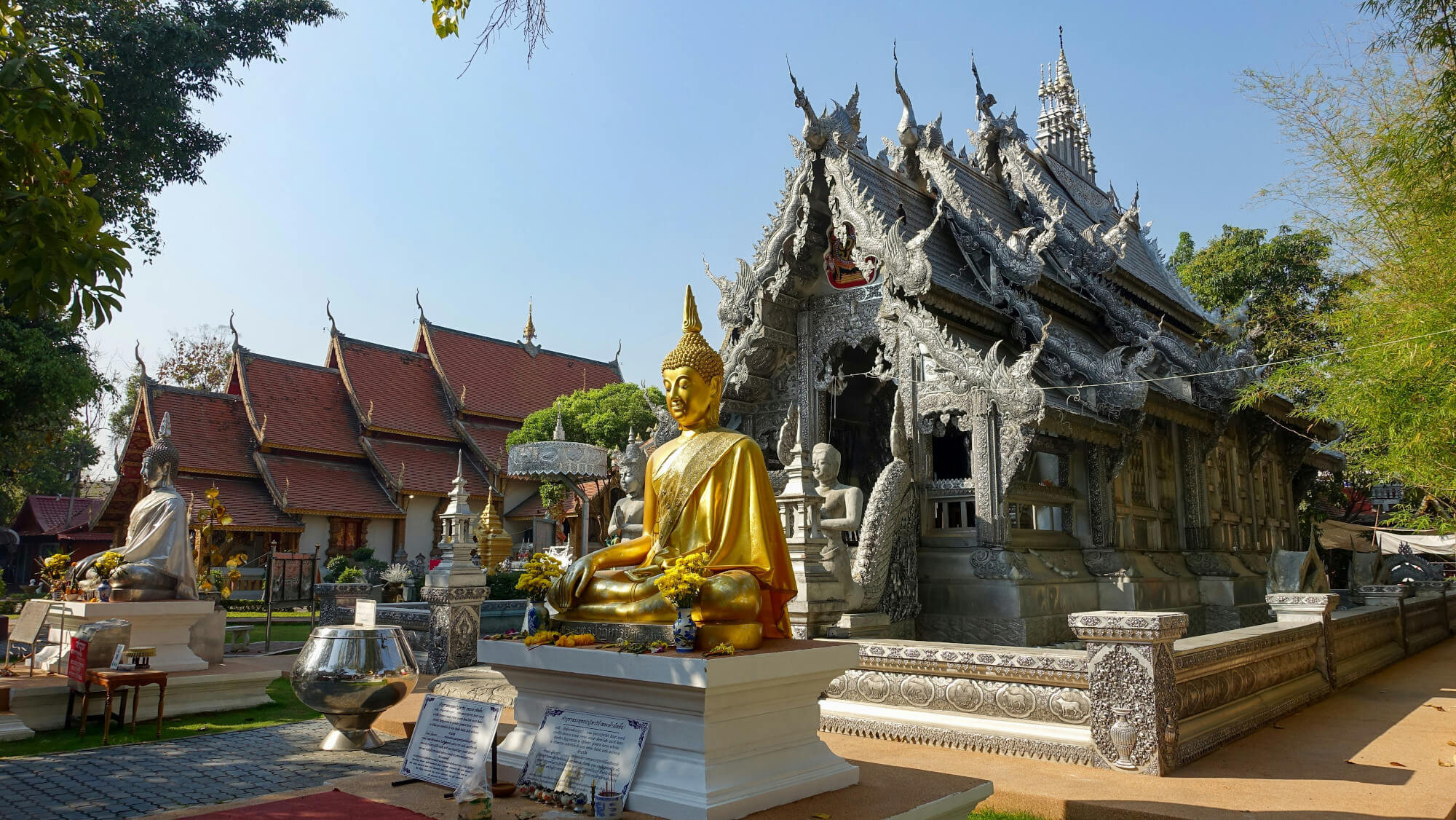
1. The Dawn Wellness Centre and Rehab – Chiang Mai
The Dawn Wellness Centre and Rehab is Asia’s only CARF-accredited addiction and mental health treatment centre. CARF is an internationally recognised accreditation body that evaluates facilities against rigorous standards for evidence-based care, person-centred treatment, and client safety. No other centre in the region holds this credential.
Set along the river in Chiang Mai, The Dawn accepts up to 30 clients at a time and runs a proprietary three-phase Treatment Roadmap over four to 12 weeks. The first phase covers medically supervised withdrawal, the second builds practical skills for managing triggers and cravings, and the third goes deeper into the underlying causes of addiction, including unresolved trauma.
The clinical team is made up of Western-trained psychiatrists, psychologists, and addiction specialists delivering therapies that include EMDR, DBT, CBT, and TMS (Transcranial Magnetic Stimulation). A dedicated trauma programme is available for clients with co-occurring PTSD, using therapies such as EMDR and somatic bodywork to process unresolved experiences that often drive addictive behaviour.
Beyond the clinical work, a daily wellness schedule incorporates yoga, breathwork, sound therapy, trauma release exercises, and bodywork. A few of the details that set The Dawn apart from other centres in Thailand:
- CARF-accredited – the only facility in Asia to hold this distinction, meeting the same standards as top centres in the US, UK, and Australia.
- Pricing starts from approximately $9,000 per month, roughly one-third of the cost of comparable Western facilities.
- Free lifetime aftercare is included with every programme, giving clients ongoing support long after they return home.
- An addiction relapse warranty means that clients who complete 12 weeks of treatment can return for an additional 28 days of residential care at no extra cost if they relapse within one year.
For those seeking a centre with both clinical depth and transparent results, The Dawn is difficult to look past.
2. The Diamond Rehab Thailand – Hua Hin
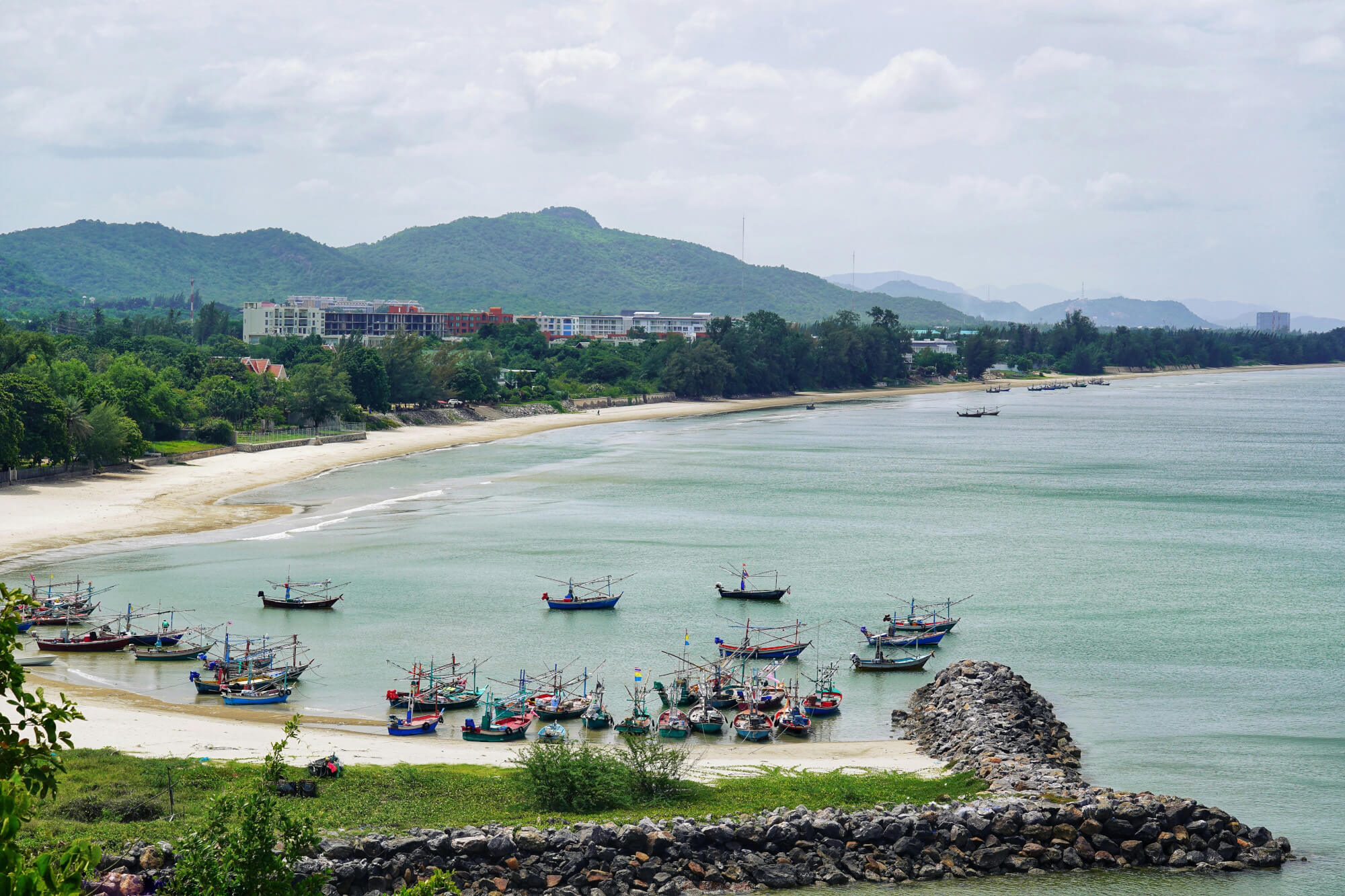
The Diamond Rehab accepts a maximum of 12 clients at a time and is located in Hua Hin, a coastal town roughly two and a half hours south of Bangkok. The facility offers private resort-style bungalows with pools and ocean views.
Founded in 2020, the centre uses a combination of CBT, DBT, motivational interviewing, and trauma counselling. It also runs a couples programme, where partners can go through inpatient treatment together with individual and joint therapy sessions.
Excursions include visits to nearby national parks, waterfalls, and cultural sites. Treatment costs start from around $10,950 for 28 days. The setting is coastal and resort-oriented, which may suit those who prefer a beachside environment.
3. The Beekeeper House – Chiang Mai
The Beekeeper House is a 16-bedroom residential centre spread across two hectares of botanical gardens in the hills above Chiang Mai. Part of The Beekeeper Group, it positions itself as an integrated mental health and addiction treatment facility combining clinical psychology with Eastern philosophy.
The clinical team includes UK-trained psychologists with experience in CBT, EMDR, schema therapy, and compassion-focused therapy. The programme incorporates nutrition guidance, daily yoga and meditation, Pilates, and regular cultural excursions around northern Thailand.
Facilities include a swimming pool, yoga and Pilates studios, and a gym. Programme lengths are flexible, with most stays running between five and nine weeks.
4. The Orchid Recovery Centre – Chiang Mai
The Orchid Recovery operates out of a converted hotel in Chiang Mai, accepting up to 20 clients at a time. The clinical programme is overseen by Dr Suttipan Takkapaijit, a psychiatrist with over 30 years of experience who provides full-time psychiatric care on site.
Treatment combines CBT, DBT, and EMDR with holistic practices including yoga, sound baths, meditation, and trauma release exercises. The centre welcomes individuals, couples, and LGBTQ+ clients.
Residential programmes include two months of aftercare via weekly Zoom sessions. Family therapy is available both on site and remotely. Programme options run at four, eight, and 12 weeks.
5. Miracles Asia – Phuket
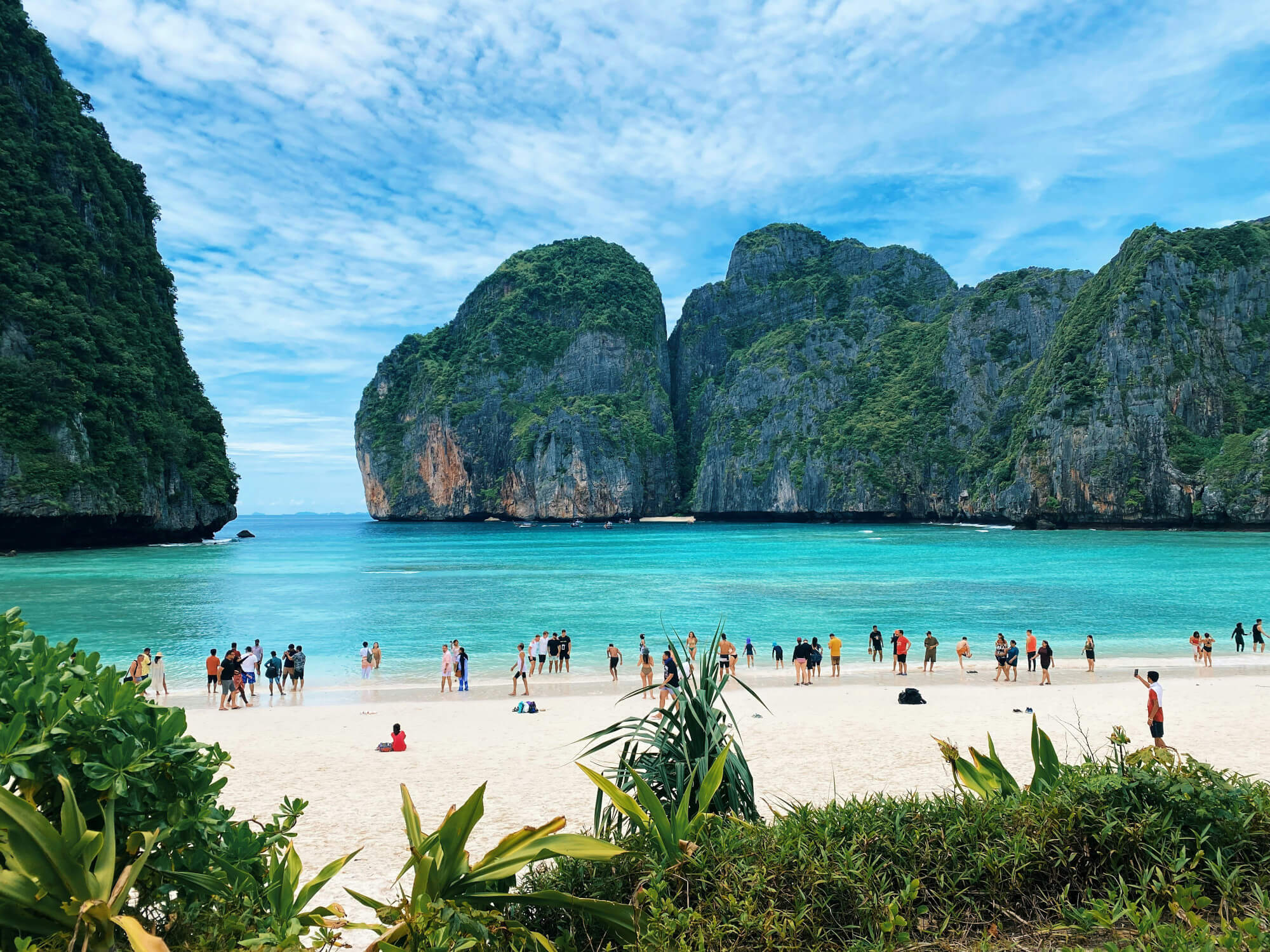
Miracles Asia is the only Phuket-based centre on this list, accepting a maximum of 15 clients at a time. The facility provides private 45-square-metre rooms and operates from a villa setting on the island.
Operating since 2017, the centre is licensed by Thailand’s Ministry of Public Health. The clinical programme combines CBT, 12-step therapy, and mindfulness-based approaches with a dual diagnosis model that addresses underlying mental health conditions alongside addiction.
Miracles Asia has a partnership with Bangkok Hospital Phuket, where clients receive a health check-up at the start of their stay. All programmes include 60 days of aftercare following discharge, with programme options available at 30, 60, and 90 days.
Choosing to seek help for addiction is a significant step, and finding the right environment can make all the difference. Thailand offers a rare combination of clinical expertise, therapeutic surroundings, and value for money that is difficult to match elsewhere.
Frequently asked questions
1. How much does luxury rehab in Thailand cost?
Costs vary significantly depending on the facility, programme length, and level of accommodation. As a general guide, expect to pay somewhere between $9,000 and $20,000 per month for a high-quality centre. This is still a fraction of what comparable treatment would cost in the UK, US, or Australia, where residential programmes often start at $20,000 to $40,000 per month.
2. How long should you stay in rehab?
Most centres offer 28-day programmes as a minimum, but clinical research consistently points to 60 to 90 days as the timeframe that produces the most sustainable outcomes. Longer stays allow more time for therapeutic work to take hold and for new habits to become established.
3. Is it safe to travel to Thailand for rehab?
Thailand is one of the most visited countries in the world and has a well-established medical tourism industry. Chiang Mai and Phuket are both popular, well-connected cities with international hospitals and strong infrastructure for overseas visitors. Most rehab centres will assist with visa guidance and arrange airport transfers.
4. Will you need a visa to attend rehab in Thailand?
Passport holders from the UK, US, Australia, and most European countries can enter Thailand without a visa for stays of up to 60 days. For longer treatment programmes, a tourist visa extension or medical visa may be required. It is always best to confirm current entry requirements with the Thai embassy before booking flights.
5. Can you work remotely while in rehab?
Some centres accommodate clients who need to stay connected to work during treatment, though policies vary. It is worth raising this directly with the admissions team before committing, as some facilities limit technology access to protect the recovery environment.