Planning your first long road trip means making choices that shape the whole journey, and the type of transmission matters more than many travellers expect.
| Sponsored post |
The gap between manual and automatic cars is not just about how gears change. It affects comfort, confidence, fuel use, stress levels, and how easy it feels to deal with unfamiliar roads for hours at a time.
Why transmission choice matters
A long road trip is very different from a short drive around town. Before choosing between a manual and an automatic, it is worth looking at the financial side as well, including running costs, monthly repayments, fuel use, insurance, and whether car refinancing could help make a more comfortable or reliable car fit your budget.
Spending several hours behind the wheel quickly shows whether a car suits the route, the traffic, and your level of experience. For a first trip, the best option is usually the one that keeps both driving stress and money worries under control, rather than simply choosing a car that looks better on paper.
Comfort on long drives
Comfort is a major part of any road trip, especially when the route includes long motorway stretches, busy towns, steep hills, or repeated stops for toll booths and fuel.
In an automatic, the car handles gear changes for you. That reduces the amount of work your left foot and left hand need to do, which can make a long day on the road feel much easier.
A manual asks more from the driver. Changing gears, managing the clutch, and matching speed to road conditions can feel natural for experienced drivers, but it can also become tiring over a long distance.
Confidence on unfamiliar roads
Your first long road trip often means dealing with roads you do not know well. That could include narrow lanes, mountain passes, city ring roads, or fast motorways with heavy traffic.

If you already feel a little unsure about route planning, signs, lane choice, or overtaking, an automatic can remove one layer of pressure. You can give more attention to the road itself instead of thinking about the next gear change.
A manual can still work well, but only if you already feel confident using it in different conditions. The transmission should not become an extra source of stress.
Control versus ease
The biggest argument in favour of a manual is control. Many drivers enjoy choosing the exact gear for climbs, descents, bends, and overtakes.
That can be especially appealing on scenic routes where the drive is part of the experience. If you enjoy being more involved with the car, a manual often feels more engaging.

An automatic offers ease. It is built for smooth progress with less effort, which is why many first-time road trippers find it the better fit.
Why an automatic suits most first trips
For many travellers, an automatic is the most practical choice for a first long road trip. It is usually easier to drive, easier to adapt to, and less tiring over a full day.
That does not mean it is always better in every situation. It means it is often the safer and calmer option when experience is still building.
Easier in traffic
Traffic is one of the fastest ways to turn an exciting road trip into a draining one. Queues near cities, roadworks, toll areas, and stop-start stretches can make a manual feel hard work.
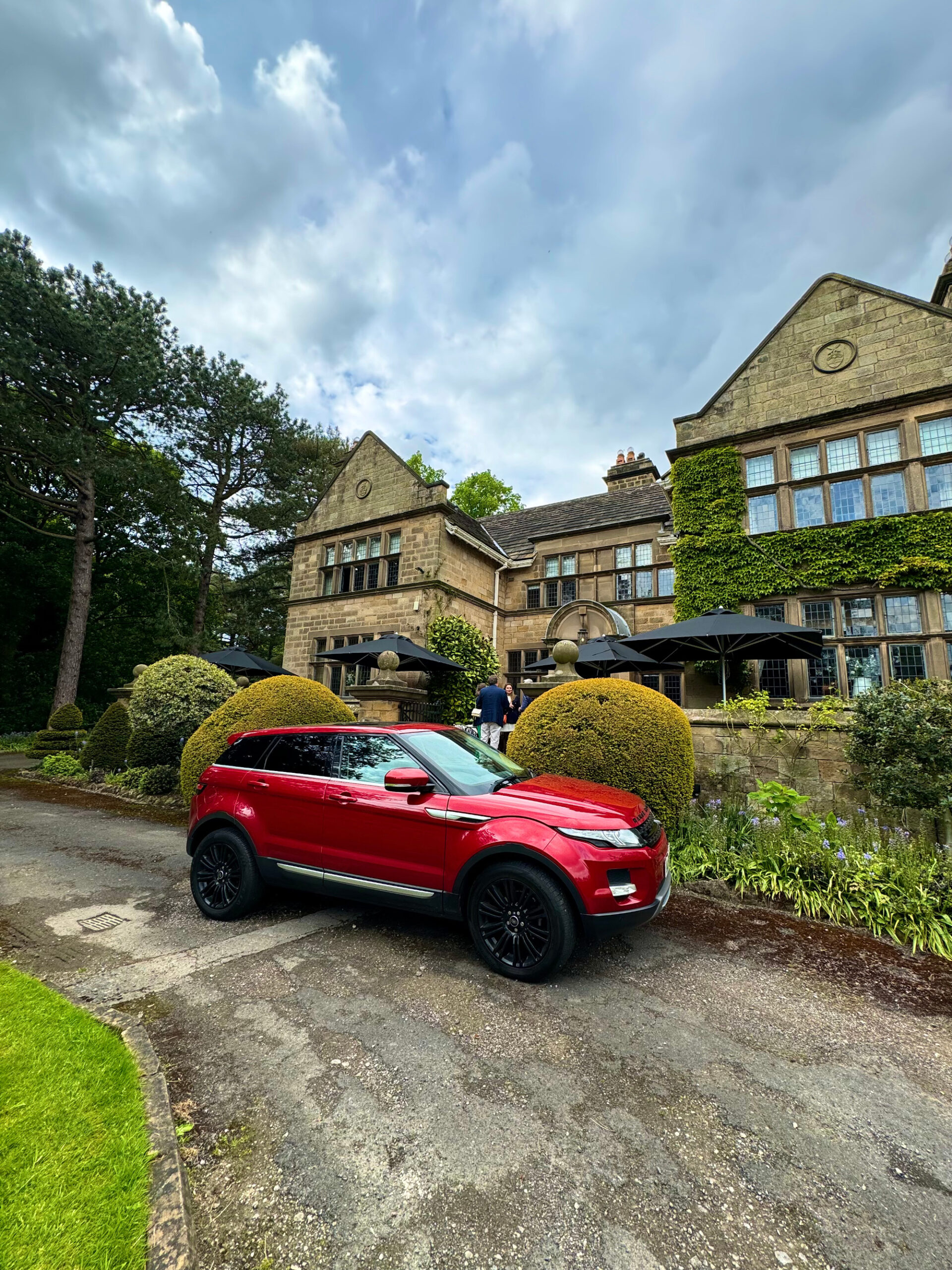
With an automatic, there is no clutch control to think about. You simply brake, ease forward, and keep moving.
That can make a huge difference if the route includes crowded urban sections before opening out into easier driving. It also helps if you are arriving somewhere new after several hours on the road.
Less tiring over long distances
Fatigue matters on any trip, especially if the drive lasts most of the day. Even if a manual feels easy for the first hour, repeated gear changes can become tiring later on.
An automatic reduces that workload. You can settle into a smoother rhythm, particularly on motorways and major roads where long-distance travel often happens.
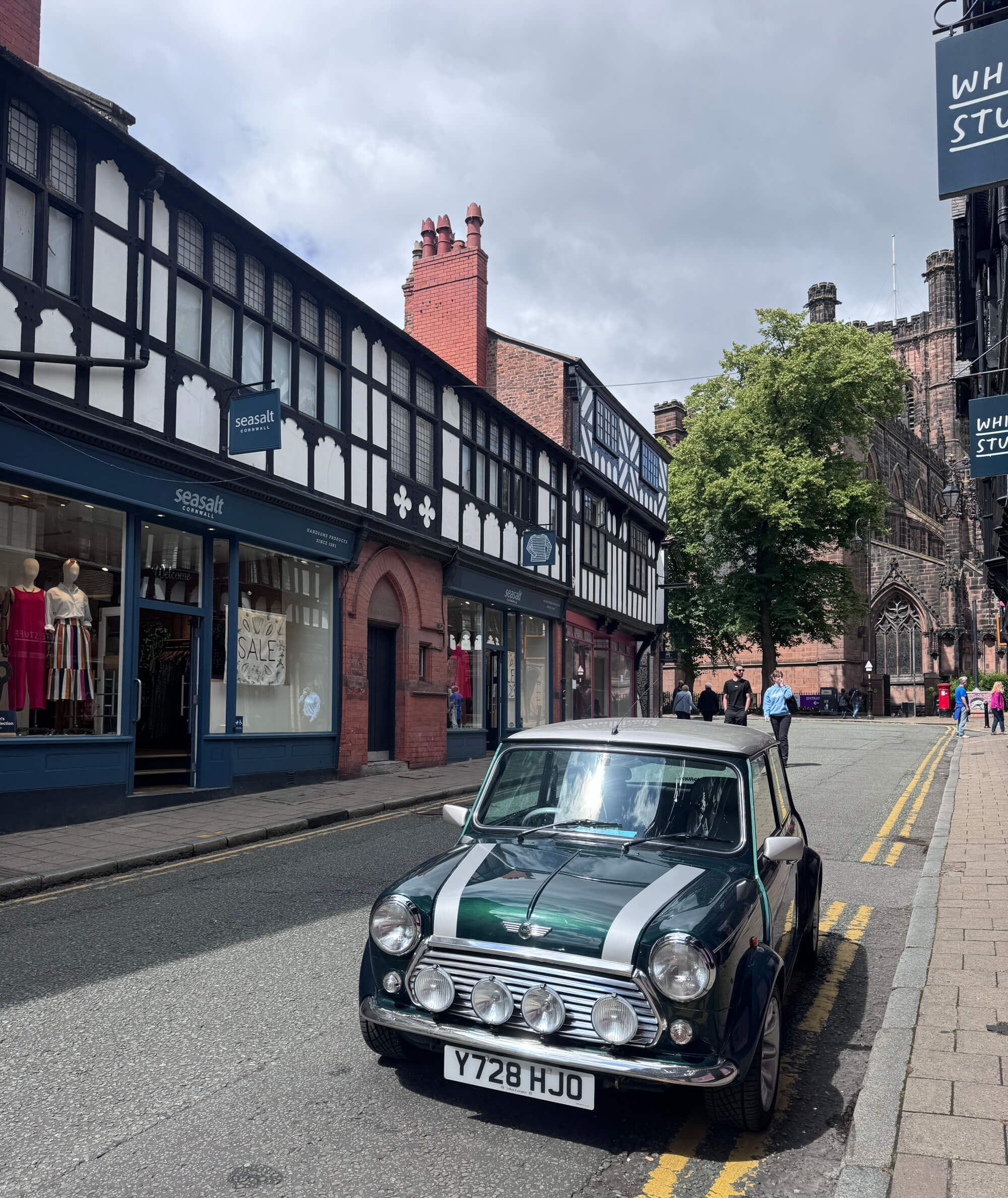
When you are less tired, you are more likely to stay alert and make better decisions. For a first road trip, that benefit should not be overlooked.
Better for new road trippers
If you are new to long-distance driving, an automatic gives you one less thing to manage. That can help you feel more confident when navigating unfamiliar places, changing lanes, or reacting to sudden changes in traffic.
It is also a good option if the road trip involves collecting a rental car abroad. Adjusting to a new vehicle, a new route, and possibly driving on the opposite side of the road is already enough to think about.
In that situation, simplicity often wins.
When a manual is the better option
A manual still has a clear place in road travel. For some drivers and some routes, it can be the more rewarding and sensible choice.

The key is honesty about your skill level and how much effort you want from the journey.
More control on scenic routes
A manual can feel better on winding roads, mountain climbs, and rural routes where speed changes often. Choosing the right gear yourself can make the car feel more responsive and better balanced.
That is part of the appeal for driving enthusiasts. A scenic route through hills, coast roads, or quiet countryside can feel more involving in a manual.
If the journey is meant to be enjoyable from behind the wheel, rather than simply convenient, a manual has real strengths.
Lower cost in some destinations
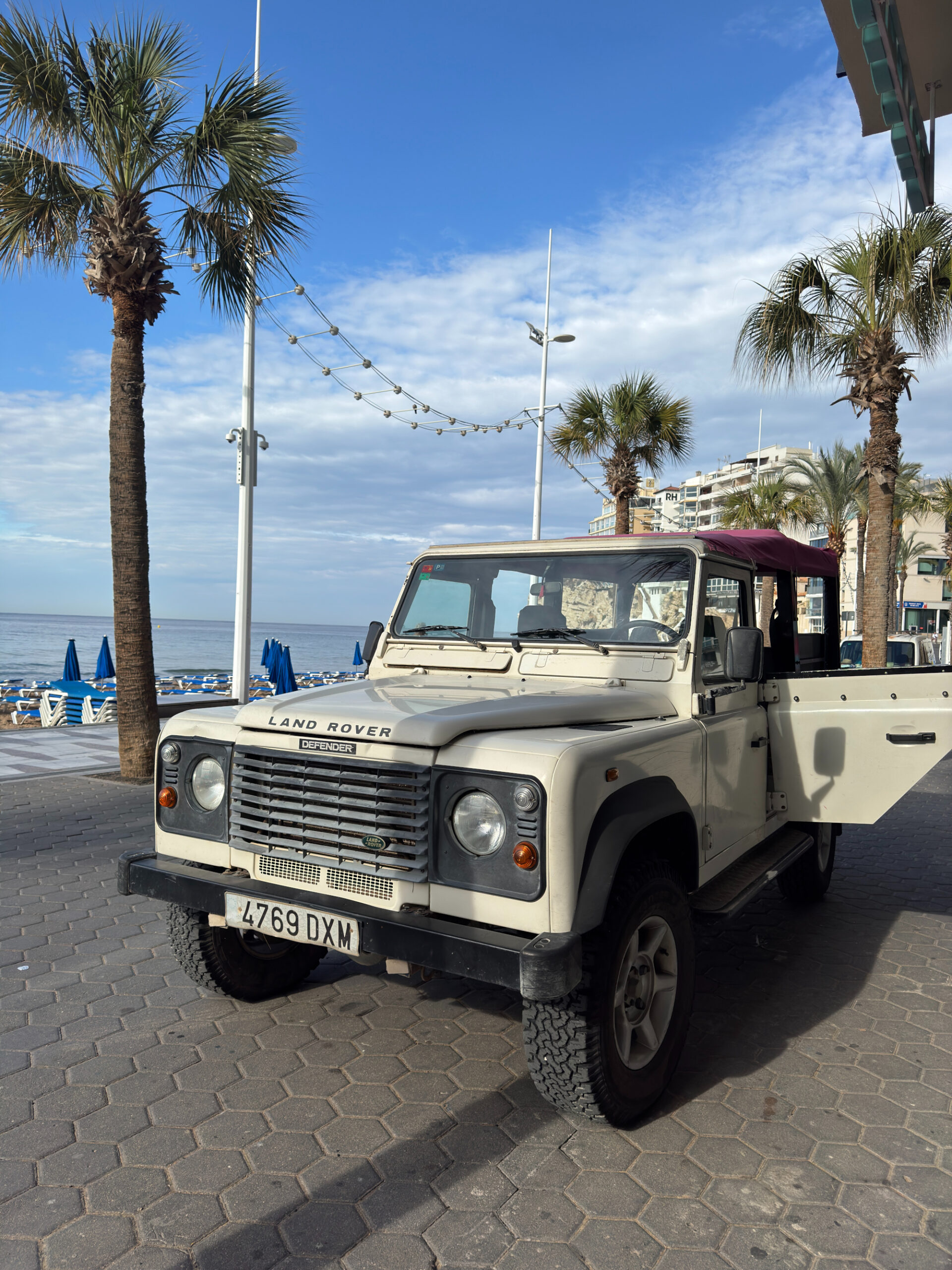
In some travel markets, manual cars are still more common and may be cheaper to rent. That can make them attractive if your budget is tight or if automatic options are limited.
This is especially relevant in places where manual cars have long been the standard. If you leave booking too late, the remaining automatic choices can sometimes be more expensive.
That said, the lower price only makes sense if you are fully comfortable driving a manual in all the conditions on your route.
Better for confident drivers
If you drive a manual every day and do not find it tiring, there may be no reason to switch to an automatic for a road trip. Familiarity often matters more than theory.
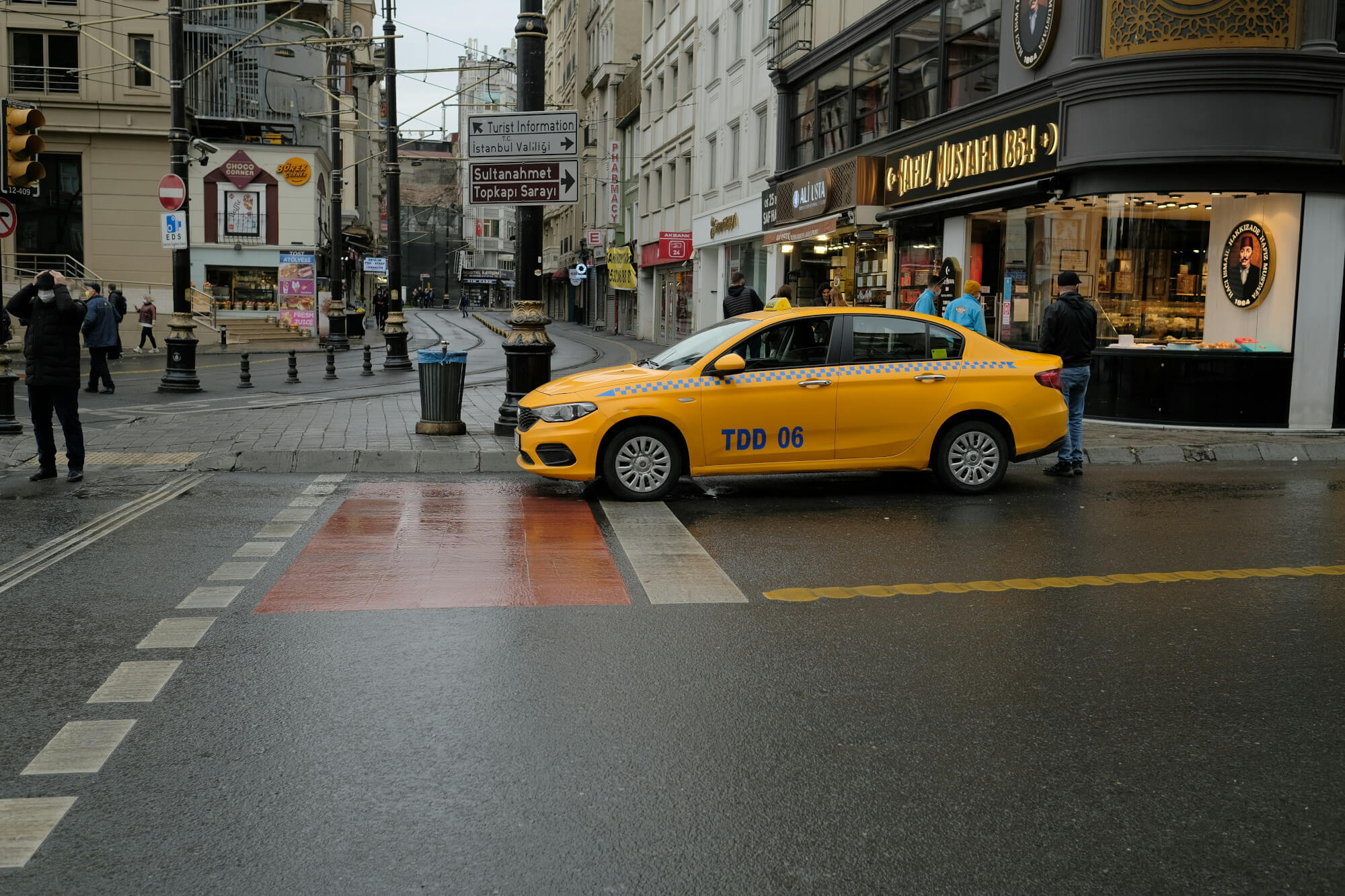
A driver who feels completely at ease with clutch control, hill starts, and gear selection may prefer to stay with what already works. Confidence behind the wheel is a big part of road safety.
The wrong choice is not manual or automatic by itself. The wrong choice is picking a transmission that adds strain instead of reducing it.
Fuel, cost and safety
Many travellers compare manual and automatic cars based on fuel economy, rental price, and overall safety. These points all matter, but they should be looked at in real travel terms rather than old assumptions.
Fuel economy on longer routes
There was a time when manuals were often seen as the clear winner for fuel efficiency. That idea still appears in travel conversations, but it is no longer a rule.
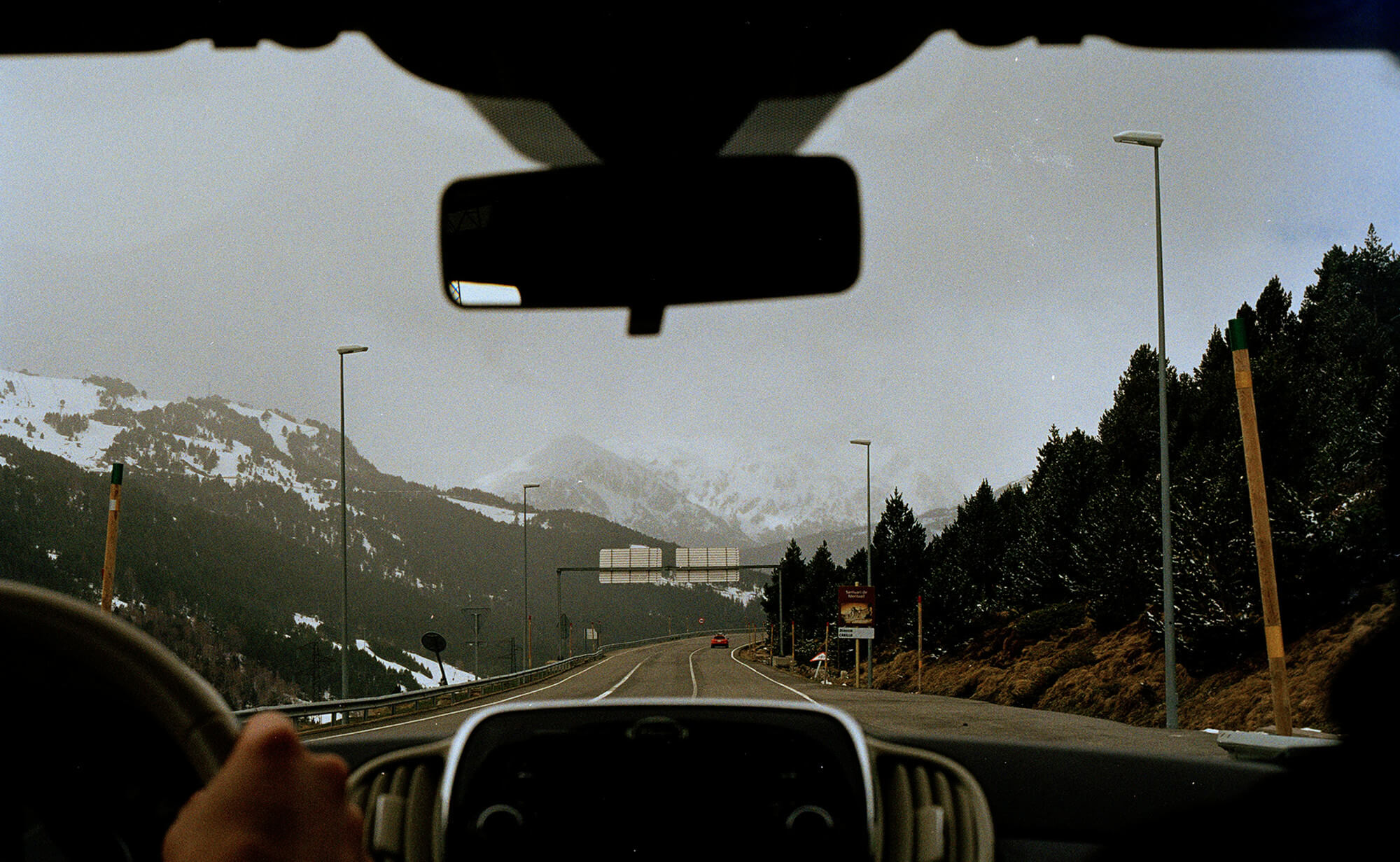
Modern automatic gearboxes are far more efficient than they used to be. On long motorway stretches, some automatics now match or even beat comparable manual cars.
Real-world fuel use depends just as much on the route, the vehicle size, your speed, the amount of luggage, and how smoothly you drive. A calm driver in an automatic may use less fuel than a rushed driver in a manual.
Rental and running costs
A manual can still be the cheaper option to rent in some destinations. That matters if you are booking during peak travel periods or collecting the car in a place where automatic supply is more limited.
Running costs also depend on the car itself. A small automatic hatchback may cost less overall than a larger manual SUV.

The smartest comparison is not manual versus automatic in isolation. It is the full cost of the exact cars available to you, including rental rate, fuel policy, insurance, mileage limits, and the type of roads on your itinerary.
Which feels safer and easier
Safety is closely linked to workload. If a transmission helps you stay calm and focused, it is usually the safer choice for your trip.
For most first-time road trippers, that points towards an automatic. Less effort spent on gear changes means more attention available for mirrors, signs, traffic, and hazards.
A manual can still be safe in experienced hands. The deciding factor is how much mental space it takes up while driving.

How to choose the right option
The best transmission for your first long road trip depends on your route, your experience, and what kind of drive you want.
A road trip should feel manageable from the first mile to the last, not like a test of endurance.
Best for beginners
If this is your first serious road trip, an automatic is usually the best choice. It helps reduce stress, cuts down on fatigue, and makes it easier to concentrate on the journey.
That is especially true if the trip includes city traffic, mountain roads, frequent stops, or an unfamiliar driving environment. A smoother experience is often worth paying a little extra for.

Best for experienced drivers
If you are already comfortable with manual driving and enjoy a more hands-on feel, a manual can be a great match for a scenic route.
It may also suit a trip where the roads are quieter, the pace is slower, and the aim is to enjoy the driving as much as the destination. In that case, the extra involvement can feel like part of the adventure.
Quick checklist before booking
Before choosing a transmission, ask a few simple questions.
- Do you feel completely relaxed driving a manual in traffic, on hills, and on unknown roads?
- Will the route include long motorway sections, mountain passes, or busy city arrivals?
- Are automatic cars widely available at your destination, and is the price difference worth the added ease?
If there is any doubt, go with the option that lowers your workload.
FAQs
Is an automatic better for a long road trip?
For most first-time road trippers, yes. An automatic is usually easier, less tiring, and better for dealing with traffic and unfamiliar roads.
Is a manual cheaper to rent abroad?
It can be. In some destinations, manual cars are more common and may come with lower rental rates.
Which is easier on motorways?
An automatic is often easier because it reduces driver workload over long distances. A manual can still feel fine if you are used to it and the road is clear.
What is best for a first-time road trip?
An automatic is usually the safer and more comfortable choice for a first long road trip. It lets you focus on navigation, traffic, and enjoying the journey.
Is a manual better for scenic drives?
It can be if you are an experienced driver who enjoys more control. On winding or hilly roads, a manual often feels more engaging.
Does a manual always save more fuel?
No. Many modern automatics are highly efficient, and real fuel use depends on the car, the route, and how you drive.
Choosing between manual and automatic comes down to more than preference. For a first long road trip, comfort, confidence, and ease matter most. If the goal is a smooth and relaxed journey, an automatic is usually the better pick. If you already know a manual feels natural in every situation, it can still be a great option for a more involved drive.